
Annapurna Nar Phu Valley Trek: Permits, Itinerary, Difficulty & Best Season
21st Sep, 2026
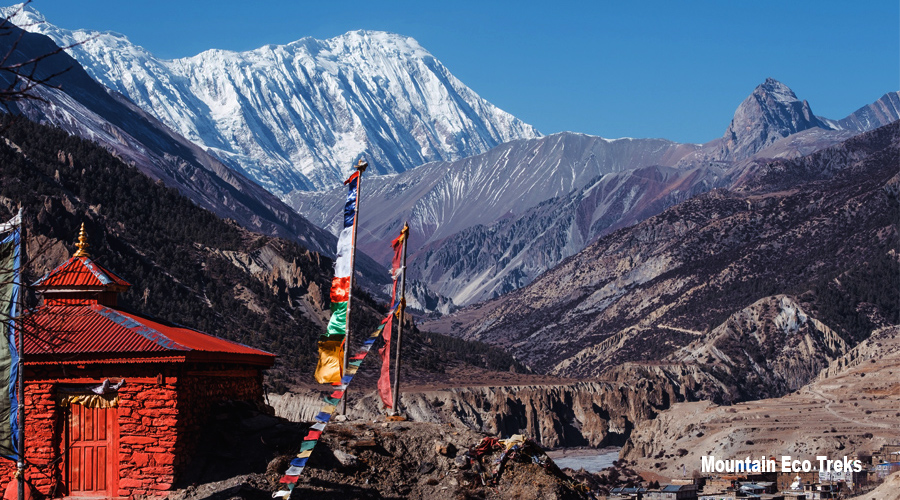
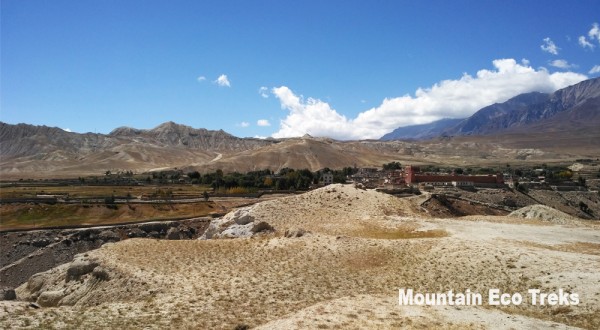
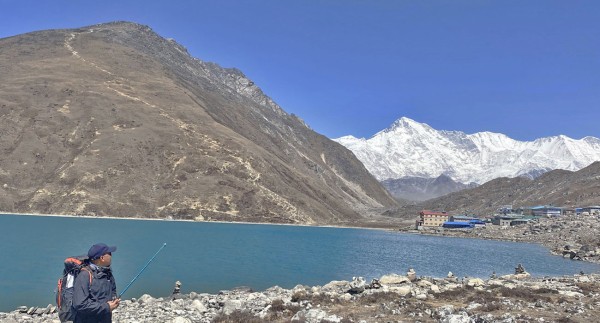
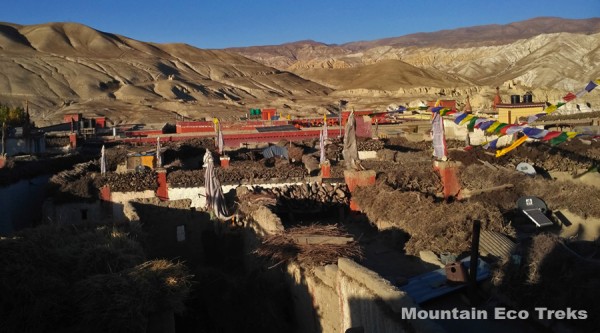
Most trekkers who visit the Annapurna region follow the classic circuit. A smaller group turns north at Koto, walks into a narrow gorge and enters a different world. This is the Nar Phu Valley, a remote, high-altitude area near the Tibetan border. It has stone-built Tibetan villages, ancient monasteries and dramatic canyon walls, and it sees only a fraction of the trekkers who walk the main trail.
Table of Contents
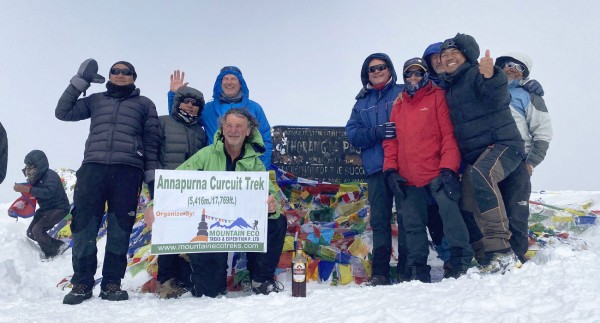
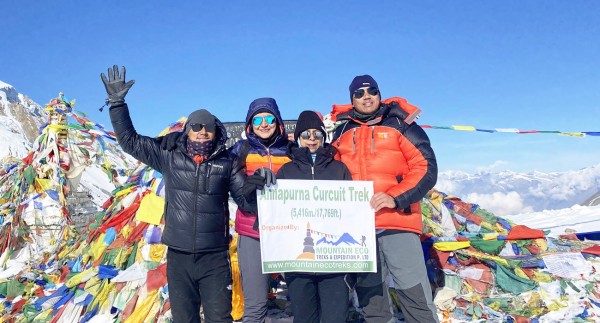
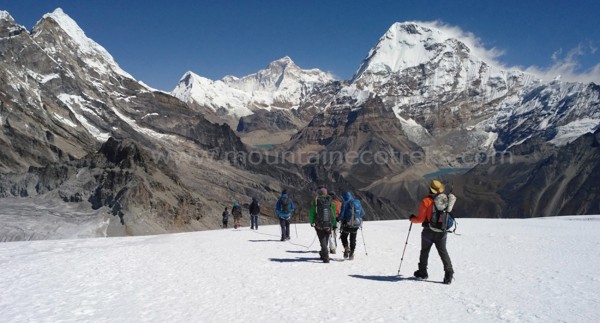
The trek also stands out for its two high passes. Kang La (about 5,300 m) links Nar Phu with Manang, and Thorong La (5,416 m) leads on to Muktinath and Jomsom. Together they turn the trek into one of the most rewarding routes in Nepal: a hidden valley, a high crossing and one of the world's great trekking circuits in a single journey.
This guide covers permits, the day-by-day itinerary, difficulty, altitude, the best season, packing and practical tips. To see the full operator schedule, inclusions and inquiry options as you read, visit the Annapurna Nar Phu Valley Trek page.
Nar Phu Valley Trek at a Glance
| Detail | Information |
|---|---|
| Region | Annapurna, Manang district, Nepal |
| Duration | 19 days (Kathmandu to Kathmandu, including arrival and departure) |
| Highest point | Thorong La Pass, 5,416 m |
| Other high pass | Kang La Pass, about 5,300 m |
| Difficulty | Challenging |
| Trek starts / ends | Syange / Jomsom |
| Accommodation | Teahouses and lodges; tents at Kang La base if lodging is unavailable |
| Meals | Breakfast, lunch and dinner on the trek |
| Group size | Minimum 2, maximum 10 (per the operator) |
| Best seasons | Autumn (September–November) and spring (March–May) |
| Permits | Restricted Area Permit, ACAP, and TIMS if required |
| Guide | Licensed guide mandatory |
Why Trek the Nar Phu Valley?
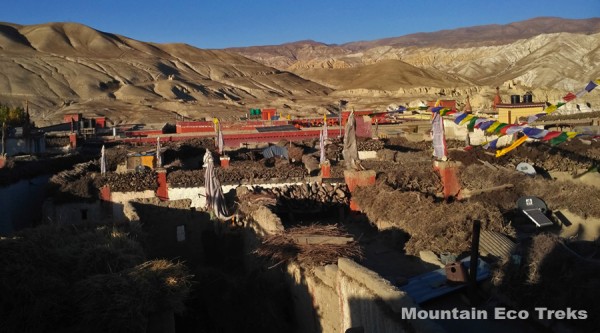
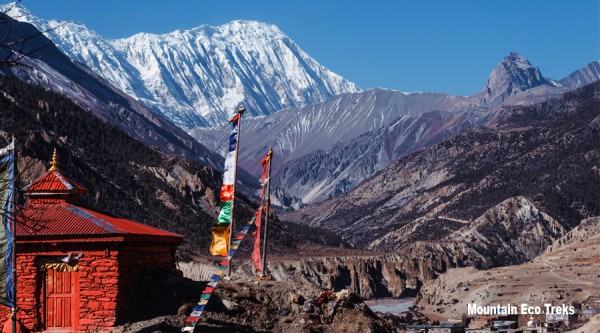
Solitude and authenticity. Unlike the main Annapurna Circuit, Nar Phu has few trekkers. You walk through villages where Tibetan Buddhist culture is strongly preserved, with flat-roofed stone houses, prayer flags, mani walls and chortens.
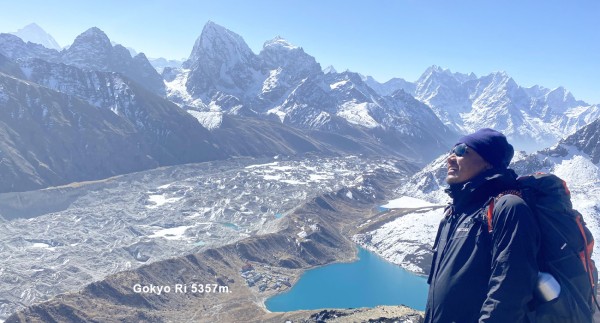
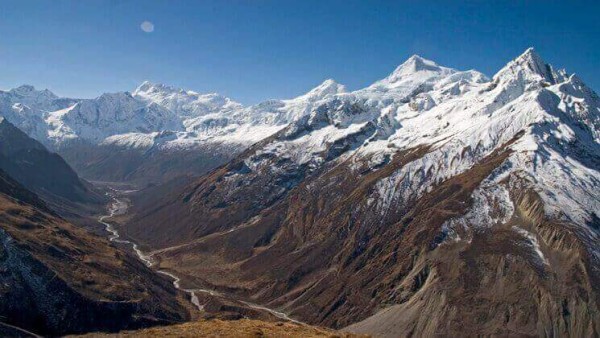
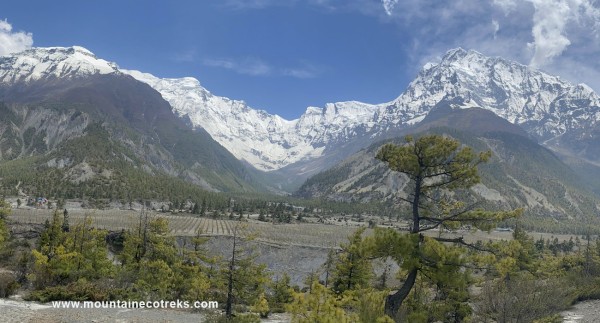
Dramatic scenery. The trek starts in a steep, forested gorge, opens into wide glacial valleys and climbs into high, wind-swept terrain. Views include Pisang Peak, Chulu Peaks, Annapurna II and III, Gangapurna and Lamjung Himal.
Two high passes. Kang La and Thorong La give the route a real sense of progress and achievement, unlike a simple out-and-back trek.
Wildlife. The area is known for blue sheep (bharal) and, rarely, snow leopards. Sightings are never guaranteed, but the terrain is a genuine habitat.
A route that pairs well with the classic circuit. You see Manang, Muktinath and the Kali Gandaki valley as well, so you get both the hidden valley and the famous trail.
Nar Phu Valley Trek Permits
Nar and Phu form a restricted area, so this trek needs special permits in addition to the usual conservation area permit.
Permits You Need
1. Nar Phu Restricted Area Permit (RAP). The special permit for entering the Nar and Phu villages.
2. Annapurna Conservation Area Permit (ACAP). Required for all trekking in the Annapurna region.
3. TIMS card. Most operators list it for Nar Phu, although rules have shifted in recent years. Your agency will confirm whether it applies.
Permit Costs
| Permit | Approximate cost |
|---|---|
| RAP, September–November | US$100 per person for the first 7 days, plus US$15 per additional day |
| RAP, December–August | Around US$75–80 per person for the first 7 days, plus per-day charges after that |
| ACAP | NPR 3,000 (about US$25) |
| TIMS | Varies, about US$10–20 where required |
The Restricted Area Permit costs US$100 for the first seven days in the autumn peak season and about US$75 from December to August. Together, the three permits usually total roughly US$130–145 per person, depending on the season and the number of days you spend inside the restricted zone.
Key Permit Rules
- Agency only. You cannot get a restricted area permit on your own. A government-registered trekking agency must apply for it through the Department of Immigration in Kathmandu, and it usually takes a few working days.
- Licensed guide. A guide is mandatory in the restricted area, and solo trekking without a licensed guide has been illegal on Annapurna routes since April 2023.
- Group size. Traditionally, the RAP required at least two trekkers. One report says that from 22 March 2026 the trekking association removed this minimum for guided solo trekkers, but rules like this change, so confirm with your agency.
- Checkpoints. Carry your permits at all times. There are several checkpoints on the route, including Koto, Meta or Kyang, Manang, Dharapani and Besisahar.
- Documents. Provide your passport copy, Nepal visa and passport-sized photos to your agency well before departure.
Permit rules and fees change from time to time, so confirm current figures with your agency or the Department of Immigration before you travel.
19-Day Nar Phu Valley Trek Itinerary
The route below follows the operator's standard schedule, with acclimatization at Phu and a return via Manang, Thorong La and Jomsom.
| Day | Route | Overnight altitude | Approx. time |
|---|---|---|---|
| 1 | Arrive in Kathmandu | 1,350 m | – |
| 2 | Drive to Syange | 1,460 m | ~7 hrs drive |
| 3 | Trek to Dharapani | 1,920 m | ~6 hrs |
| 4 | Trek to Koto | 2,640 m | ~5 hrs |
| 5 | Trek to Kyang | ~4,100 m | ~6 hrs |
| 6 | Trek to Phu Village | 4,080 m | ~6 hrs |
| 7 | Rest and acclimatization at Phu | 4,080 m | Short hikes |
| 8 | Trek to Nar Phedi | 3,545 m | ~6 hrs |
| 9 | Trek to Nar Gaon | ~4,200 m | ~6 hrs |
| 10 | Trek to Kang La Phedi | 4,530 m | ~5 hrs |
| 11 | Cross Kang La to Ngawal | 3,650 m | ~7 hrs |
| 12 | Trek to Manang | 3,450 m | ~5 hrs |
| 13 | Trek to Yak Kharka | 4,110 m | ~4 hrs |
| 14 | Trek to Thorong High Camp | ~4,600 m | ~4 hrs |
| 15 | Cross Thorong La to Muktinath | 3,800 m | ~7 hrs |
| 16 | Trek to Jomsom | 2,715 m | ~4 hrs |
| 17 | Fly to Pokhara | ~840 m | Short flight |
| 18 | Drive or fly to Kathmandu | ~1,400 m | ~6 hrs drive |
| 19 | Departure | – | – |
Day 1: Arrival in Kathmandu
You are met at the airport, transferred to your hotel and briefed by your guide about the trek, equipment and safety.
Day 2: Drive to Syange (1,460 m)
A long but scenic drive through farming villages and along the Marsyangdi River, past Besisahar and on to Syange.
Day 3: Syange to Dharapani (1,920 m)
Your trek begins. You climb to Jagat, pass Chamje and Tal, and follow forested trails with views of the Annapurna and Manaslu ranges. Dharapani sits at the junction of the Annapurna Circuit and the Manaslu trail.
Day 4: Dharapani to Koto (2,640 m)
You walk through pine and rhododendron forest, past Bagarchap, Danaque and Timang, with views of Manaslu. Koto is where the Nar Phu route leaves the main Annapurna trail.
Day 5: Koto to Kyang (about 4,100 m)
You enter the gorge and the trek becomes wild and remote. You pass herders' huts and may spot blue sheep. This is a big altitude gain in one day, so take it slowly. See the acclimatization notes below.
Day 6: Kyang to Phu Village (4,080 m)
The gorge opens into a wide glacial valley, and Phu comes into view. The village sits on a plateau, surrounded by high peaks.
Day 7: Rest Day at Phu
A key acclimatization day. You explore the village and its monasteries, and may hike toward nearby viewpoints. Phu is one of the highlights of the trek, with a strong Tibetan character.
Day 8: Phu to Nar Phedi (3,545 m)
You retrace your steps down the gorge, passing mani walls and chortens, and reach Nar Phedi, a small settlement with a monastery.
Day 9: Nar Phedi to Nar Gaon (about 4,200 m)
A steep climb on a ridge takes you to Nar village. The stone houses and high pastures make it one of the most atmospheric stops on the trek.
Day 10: Nar Gaon to Kang La Phedi (4,530 m)
You leave the last trees behind and walk through open, wind-swept terrain to the base of the pass. Accommodation can be basic, and sometimes tents are used if lodges are unavailable.
Day 11: Cross Kang La (about 5,300 m) to Ngawal (3,650 m)
The big day. You start early, climb steadily to the pass and enjoy views of Pisang Peak, the Chulu peaks and the Annapurna range. The descent is long, ending in the village of Ngawal.
Day 12: Ngawal to Manang (3,450 m)
A gentler day past Braga and its old monastery, with Annapurna II and III, Gangapurna and Chulu peaks in view. Manang is a well-equipped village with bakeries and good lodges.
Day 13: Manang to Yak Kharka (4,110 m)
You rejoin the classic Annapurna Circuit and climb gently toward Yak Kharka, a small settlement with views of Gangapurna and Annapurna III.
Day 14: Yak Kharka to Thorong High Camp (about 4,600 m)
A short but steep day toward the base of Thorong La. Rest, eat well and go to bed early.
Day 15: Cross Thorong La (5,416 m) to Muktinath (3,800 m)
Another long day, starting before dawn. The pass is marked by prayer flags, and the descent leads to Muktinath, a sacred site for both Hindus and Buddhists.
Day 16: Muktinath to Jomsom (2,715 m)
A gradual downhill walk through the wide, windy Kali Gandaki valley to Jomsom, a town known for its apple orchards and Thakali culture.
Day 17: Fly to Pokhara
A short mountain flight to Pokhara, with a relaxing evening by Phewa Lake. Flights depend on weather, so build in flexibility.
Day 18: Return to Kathmandu
You drive or fly back to Kathmandu.
Day 19: Departure
Transfer to the airport for your onward flight, or extend your stay with sightseeing or another trip.
How Difficult Is the Nar Phu Valley Trek?
The trek is challenging. It is not technical, and you do not need climbing skills, but it is demanding for several reasons:
1. High altitude. You spend many nights above 4,000 m and cross two passes above 5,300 m.
2. Long days. Many days involve 5–7 hours of walking, often on steep, rough terrain.
3. Remote terrain. Facilities are basic, and help is far away.
4. Cold and wind. Nights are cold, and mornings on the passes can be freezing.
5. Limited flexibility. After you enter the valley, turning back takes time.
Who Is This Trek For?
It suits fit trekkers who enjoy multi-day walking and are comfortable with basic accommodation. Some previous high-altitude trekking is strongly recommended. A positive attitude and mental toughness matter as much as fitness.
Preparing Your Body
- Train for 8–12 weeks before your trip with running, cycling, swimming or stair climbing.
- Include long hikes with a loaded pack, ideally on hills.
- Strengthen legs and core for steep ascents and long descents.
- Break in your boots fully.
- Talk to your doctor about altitude and any health concerns.
Altitude and Acclimatization
Altitude is the main safety issue on this trek. Anyone can be affected, regardless of age or fitness.
Features that help:
- A full acclimatization day at Phu (4,080 m)
- Lower sleeping altitudes between high points, such as Nar Phedi and Ngawal
- A gradual approach to Thorong La from Manang
A point to watch. The route from Koto (2,640 m) to Kyang (about 4,100 m) climbs a lot in one day. Some operators split this section with a night at Meta (about 3,560 m) for a smoother profile. If you have never been above 4,000 m, ask your operator about adding a day here.
Tips for reducing your risk:
1. Walk slowly and steadily.
2. Drink 3–4 liters of water a day.
3. Avoid alcohol and sleeping pills.
4. Eat well, even without appetite.
5. Tell your guide about symptoms early, including headache, nausea, dizziness and unusual fatigue.
6. Descend immediately if you have confusion, loss of balance, breathlessness at rest or a persistent wet cough.
7. Buy travel insurance that covers trekking above 5,500 m and emergency helicopter evacuation.
Best Season for the Nar Phu Valley Trek
| Season | Conditions | Notes |
|---|---|---|
| Autumn (September–November) | Clear skies, stable weather, good visibility | Best overall. October is busiest. |
| Spring (March–May) | Warmer, with rhododendrons at lower elevations | Good, especially April and May. Afternoon cloud is more common. |
| Winter (December–February) | Very cold, with snow likely on the passes | Kang La and Thorong La may be difficult or closed. |
| Monsoon (June–August) | Rain, landslides, cloud | Not ideal. |
The operator lists September to December and February to May as suitable months. In practice, snow on Kang La and Thorong La can make February, March and December difficult, so autumn and late spring are the safest choices.
Cost, Inclusions and Exclusions
Prices vary by season and group size. The operator's page does not always show a fixed price, so check the current price and departure options or send an inquiry.
Typically included:
- Private transport, including airport transfers
- Two nights in a Kathmandu hotel and one night in Pokhara, with breakfast
- Breakfast, lunch and dinner on the trek, with tea and coffee
- Chlorine-treated safe drinking water
- Best available twin-sharing lodging during the trek
- Snacks and seasonal fruit
- Licensed guide and porters, with their food, wages, equipment and accident insurance
- All necessary paperwork and permits
- Down sleeping bag use if needed, duffel bag, route map and first-aid kit
- Government taxes and a farewell dinner
Typically not included:
- Lunch and dinner in Kathmandu and Pokhara
- Boiled water, bottled drinks and snacks
- Wi-Fi and electronic charging
- Hot showers on the trek
- Personal travel insurance
- Personal trekking equipment
- Tips for guides, porters and drivers
Accommodation, Food and Connectivity
Accommodation. Expect basic teahouses and lodges with twin-share rooms and shared bathrooms. There are no luxury lodges in Nar Phu because it is remote. In Nar and Phu, rooms can be very simple, with cold nights.
Food. Meals include dal bhat, noodles, momos, soup, pasta, Tibetan bread, eggs and porridge. Vegetarian and vegan options are widely available. In high, remote villages, menus are shorter.
Water. Treat all water. Bring purification tablets or a filter, or use the treated water arranged by your team.
Connectivity. Mobile signal is patchy and often absent in the gorge and the high villages. Wi-Fi is limited and costs extra. Tell family to expect gaps in communication.
What to Pack for Annapurna Nar Phu Valley Trek
Because of the cold and remote terrain, pack carefully.
- Layers: thermal base layers, fleece, warm down jacket and a waterproof, windproof shell
- Footwear: waterproof, broken-in trekking boots, warm socks and camp shoes
- Head and hands: warm hat, sun hat, sunglasses, glacier goggles and warm gloves or mittens
- Sleeping bag rated for around -15°C to -20°C (or use the operator's down bag if available)
- Trekking poles, essential for the long descents
- Headlamp with spare batteries
- Daypack of 25–30 liters
- Water bottles, purification tablets, sunscreen and lip balm
- Personal first-aid kit, blister care and any prescribed medication
- Power bank, as charging is limited
- Microspikes or gaiters if snow is likely on the passes
Practical Tips for Trekkers
1. Book early. Restricted area permits need advance processing, and autumn departures fill quickly.
2. Keep a spare day. Weather can delay pass crossings or the Jomsom flight.
3. Carry cash. Bring Nepali rupees for drinks, showers, charging and tips. There are no ATMs beyond Manang.
4. Respect local culture. Walk clockwise around mani walls and chortens, ask before taking photos, and dress modestly in villages.
5. Protect the environment. Carry out your waste and reduce plastic use.
6. Tip your team. Guides and porters do hard work at altitude.
7. Buy proper insurance before you leave, and check its altitude limits.
Annapurna Nar Phu Valley Trek: Top 10 FAQs
1. What is the Annapurna Nar Phu Valley Trek, and how long does it take?
It is a remote trek that leaves the main Annapurna Circuit at Koto and enters the restricted Nar and Phu valleys near the Tibetan border. It then crosses Kang La Pass (about 5,300 m) to Manang and continues over Thorong La (5,416 m) to Muktinath and Jomsom. Our operator's itinerary is 19 days from Kathmandu to Kathmandu. Shorter versions of around 9-13 days exist, but they usually skip Thorong La or use the road. You can see the full schedule on the Annapurna Nar Phu Valley Trek page.
2. What permits do I need for the Nar Phu Valley Trek?
You need a Nar Phu Restricted Area Permit (RAP), an Annapurna Conservation Area Permit (ACAP) and, depending on current rules, a TIMS card. The RAP costs US$100 per person for the first 7 days from September to November, and around US$75-80 from December to August, plus a per-day charge after the first week. The ACAP is NPR 3,000 (about US$25). Together the permits usually total roughly US$130-145 per person. Your agency arranges them, and rules and fees can change, so confirm current figures before you travel.
3. Can I trek Nar Phu solo, and is a guide compulsory?
A licensed guide is mandatory, and the restricted area permit can only be issued through a registered trekking agency. You cannot trek independently. The RAP traditionally required at least two trekkers, and one report says the rule was relaxed in March 2026 for guided solo trekkers. Because this rule has changed recently, confirm it with your agency when you book.
4. How difficult is the Nar Phu Valley Trek?
It is rated challenging. It is not technical, but it involves many nights above 4,000 m, two passes above 5,300 m, walking days of 5-7 hours, cold nights and remote terrain with basic facilities. Good fitness, some previous high-altitude experience and a positive attitude are strongly recommended. Complete beginners should consider an easier trek first.
5. What is the best time to do the Nar Phu Valley Trek?
The best seasons are autumn (September to November) and spring (March to May). Autumn brings clear skies and stable weather, and spring brings warmer temperatures and blooming rhododendrons at lower elevations. The operator also lists December and February, but snow on Kang La and Thorong La can make those months difficult. The monsoon (June to August) brings rain, landslides and poor visibility.
6. How high are the passes, and how serious is altitude sickness?
Kang La is about 5,300 m and Thorong La is 5,416 m. Altitude sickness is the main health risk, and anyone can be affected regardless of fitness. The itinerary includes an acclimatization day at Phu (4,080 m), but the climb from Koto to Kyang is a large gain in one day, so ask your operator about splitting it with a night at Meta if you have not been above 4,000 m before. Walk slowly, drink 3-4 liters of water a day, avoid alcohol and report symptoms early. Confusion, loss of balance or breathlessness at rest mean you must descend.
7. What are the accommodation, food and water like?
You stay in basic teahouses and lodges with twin-share rooms and shared bathrooms. There are no luxury lodges in Nar Phu because it is remote, and tents may be used near Kang La if lodging is unavailable. Meals include dal bhat, noodles, momos, soup, pasta, Tibetan bread and eggs, and vegetarian options are widely available. Menus are shorter in the high villages. Treat all water with tablets or a filter, or use the treated water arranged by your team.
8. Will I have mobile signal, Wi-Fi and electricity?
Mobile signal is patchy and often absent in the gorge and the high villages such as Phu and Nar. Wi-Fi is limited and costs extra, and charging is available only in some lodges for a fee. Bring a power bank and let your family know to expect gaps in communication. Many trekkers share the operator's contact number with one relative so updates can be passed on when service returns.
9. What does the trek price include and exclude?
The price typically includes:
- Private transport and airport transfers
- Two nights in Kathmandu and one in Pokhara, with breakfast
- Breakfast, lunch and dinner on the trek, with tea and coffee
- Safe drinking water, and snacks and seasonal fruit
- A licensed guide and porters, with their wages and insurance
- All necessary permits and paperwork
- A duffel bag, a sleeping bag if needed, a first-aid kit and a farewell dinner
It does not include meals in Kathmandu and Pokhara, bottled drinks, Wi-Fi, charging, hot showers, personal insurance, personal gear or tips. Check the current price and inquiry options before you plan.
10. What should I pack, and do I need travel insurance?
Yes, insurance is essential. Your policy should cover trekking above 5,500 m, medical care and emergency helicopter evacuation, so check its maximum altitude. For gear, the essentials are:
- Waterproof, broken-in trekking boots
- Thermal layers, a fleece and a warm down jacket
- A waterproof and windproof shell
- Warm gloves or mittens and a warm hat
- Sunglasses and glacier goggles
- A sleeping bag rated to around -15°C to -20°C
- Trekking poles, a headlamp and a power bank
- Water purification tablets, sunscreen and a personal first-aid kit
Microspikes or gaiters are useful if snow is likely on the passes.
Conclusion
The Nar Phu Valley Trek is one of the most rewarding routes in the Annapurna region. It combines a hidden Tibetan-influenced valley, two high passes and the famous Annapurna Circuit in one journey. It asks a lot in fitness, preparation and patience, but it gives back quiet trails, dramatic landscapes and a genuine sense of discovery.
If you are ready to plan your trip, review the full schedule, inclusions and inquiry options on the Annapurna Nar Phu Valley Trek page, or contact the team with your questions about season, permits and fitness.
Recent From Blog

19th Apr, 2019


23rd Dec, 2018

11th Jan, 2024

14th Jan, 2024

29th Jan, 2025

11th Feb, 2025

18th Feb, 2025

25th Feb, 2025

5th Apr, 2025
23rd Dec, 2025
9th May, 2026
12th Jul, 2026

13th Aug, 2026
13th Aug, 2026
13th Aug, 2026

16th Aug, 2026
20th Aug, 2026