
How Far Is Nar Phu Valley from Dharapani? Distance, Time and Trek Guide
28th Sep, 2026
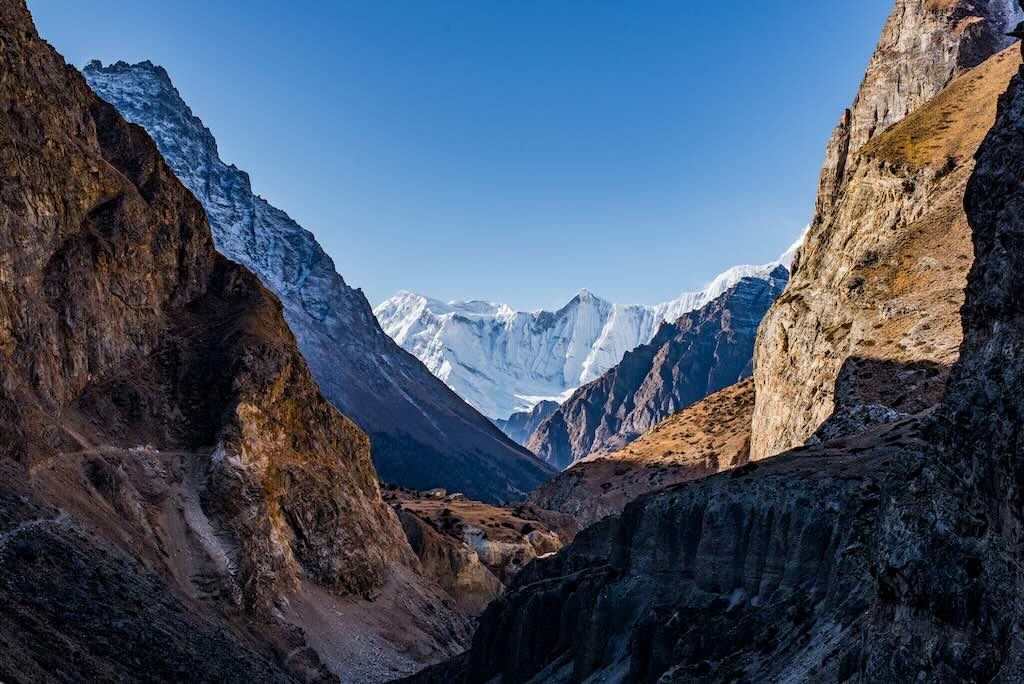
Tucked behind the Annapurna Circuit, the hidden Nar Phu Valley feels like another world: ancient Tibetan-style villages, stone monasteries, deep canyons and quiet trails that see only a fraction of the trekkers who walk the classic route. If you are planning this journey, one of your first questions will probably be: how far is Nar Phu Valley from Dharapani?
Table of Contents
The short answer is that the valley lies only about 20 to 25 km from Dharapani in a straight line, but the walk is much longer and more demanding than the map suggests. Dharapani, at around 1,860 metres, is the junction where the Nar Phu trail leaves the main Annapurna Circuit. From there, the path climbs through a narrow gorge, past remote settlements and up to high-altitude villages above 4,000 metres. In this guide, Mountain Eco Treks explains the real distance, the number of days, the terrain, the permits and everything else you need to plan with confidence.
Quick Answer: Dharapani to Nar Phu Distance
| Detail | Approximate figure |
|---|---|
| Straight-line (aerial) distance | About 20 to 25 km |
| Walking distance, Dharapani to Phu village | Roughly 45 to 55 km |
| Walking time, Dharapani to Phu | About 3 to 4 days |
| Altitude of Dharapani | About 1,860 m |
| Altitude of Phu village | About 4,080 m |
| Altitude of Nar village | About 4,110 m |
| Highest point on the loop (Kang La Pass) | About 5,320 m |
| Typical full Nar Phu trek duration | 12 to 14 days from the start of the trek |
Distances vary with the exact route and side trips, so treat these as reliable estimates rather than surveyed measurements.
Why Distance Alone Doesn't Tell the Story
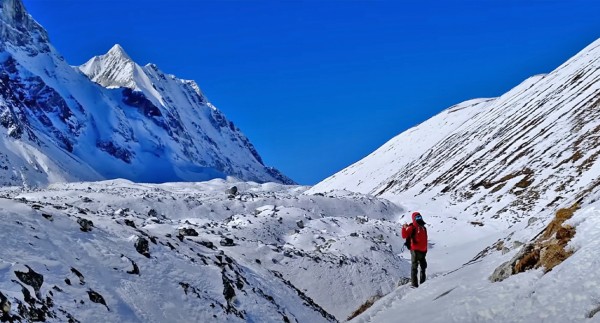
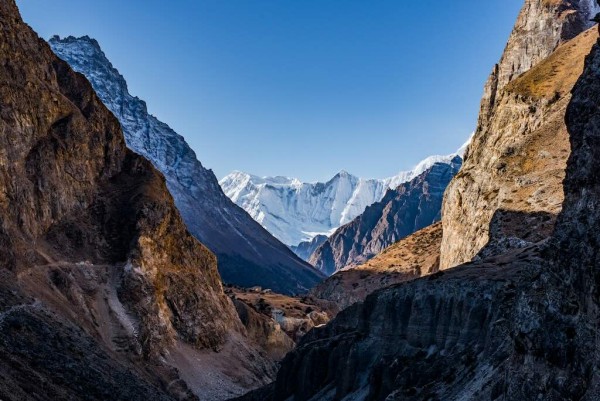
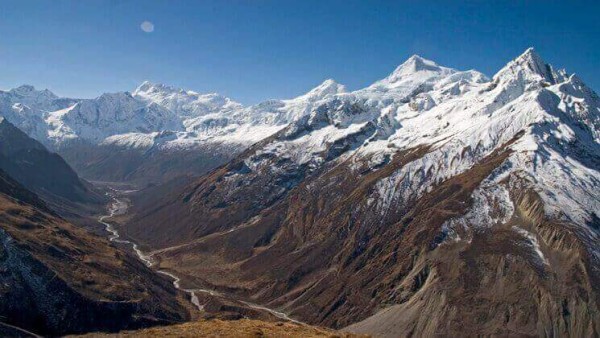
The Nar Phu Valley lies inside the Manang district, within a restricted zone close to the Tibetan border. The trail follows the Phu Khola (Phu River) through a dramatic canyon, with cliffs rising steeply on both sides. Some sections are narrow, exposed and rocky, and there are many ascents and descents that add time and effort well beyond what the kilometres suggest.
Add the altitude gain of more than 2,000 metres between Dharapani and Phu, and the need to acclimatize, and it becomes clear why this trek is measured in days rather than distance.
Step-by-Step: From Dharapani to Nar Phu Valley
Here is how the route usually unfolds:
1. Dharapani to Koto (about 2,600 m). A relatively short day through forest and small villages such as Danaque and Timang. At Koto, your restricted area permit is checked before you enter the valley.
2. Koto to Meta (about 3,560 m). The trail enters the canyon, crossing the river several times. It is a long day with a steady climb and dramatic scenery.
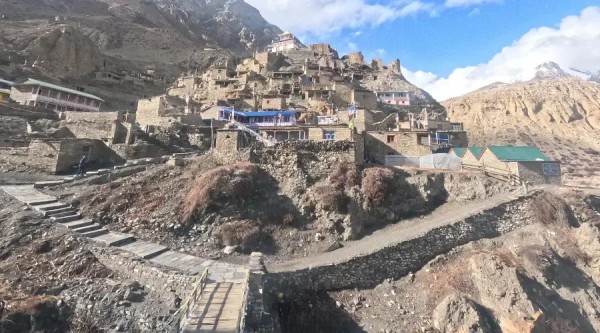
3. Meta to Phu Gaon (about 4,080 m). You pass Kyang, Chyakhu and traditional Tibetan-style settlements before reaching Phu, with its old monastery and views of Himlung Himal.
4. Acclimatization day in Phu. Explore Phu Gompa, the village and the surrounding hills, or hike toward the Himlung Himal base area for extra altitude adjustment.
5. Phu to Nar Phedi, then Nar Village (about 4,110 m). You retrace part of the route before climbing to Nar, one of the most scenic and culturally rich villages in the region.
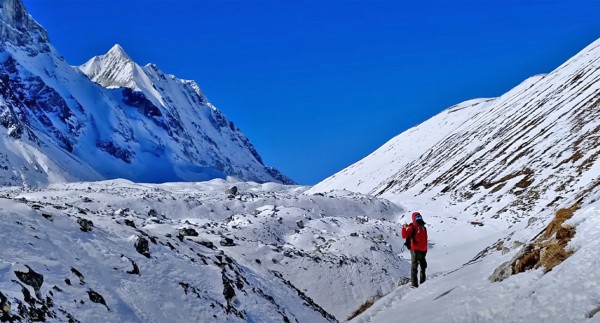
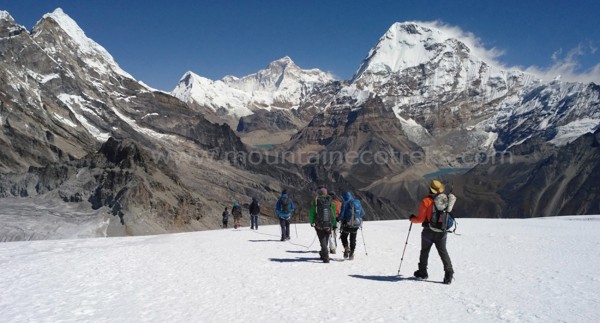
6. Nar to Ngawal via Kang La Pass (5,320 m). A demanding but rewarding day crossing the high pass, with sweeping views of the Annapurna range and Tilicho Peak before a long descent.
7. Ngawal to Manang and onward. From here, trekkers normally rejoin the Annapurna Circuit route toward Thorong La or exit toward Besisahar.
How Long Does the Nar Phu Trek Take?
- 12 to 14 days: the most common itinerary for the full loop, including transport, acclimatization and the pass crossing.
- 10 to 11 days: possible for well-acclimatized, fit trekkers using jeep transport for the early sections.
- Extended options: trekkers often add Tilicho Lake or the Thorong La crossing to combine Nar Phu with the full Annapurna Circuit.
Walking days from Dharapani itself usually total 6 to 8 depending on whether you return via Kang La or continue along the circuit. You can view a complete, ready-to-book itinerary on the Annapurna Nar Phu Valley Trek page by Mountain Eco Treks.
How to Reach Dharapani
Dharapani is reached by road from Kathmandu or Pokhara via Besisahar. The drive from Kathmandu to Besisahar takes about 5 to 6 hours, and a further jeep ride of roughly 6 to 8 hours (depending on the road and season) brings you to Dharapani. Many groups spend a night on the way. Road conditions vary, particularly after the monsoon, so your operator will advise the best plan.
Permits You Will Need
Nar Phu is a restricted area, so permits are required in addition to standard trekking documents:
- Nar Phu restricted area permit
- Annapurna Conservation Area Permit (ACAP)
- TIMS or trekking registration where applicable
Restricted area rules generally require at least two trekkers and booking through a registered trekking agency with a licensed guide. Fees and regulations can change, so confirm the latest details before you travel. Mountain Eco Treks arranges all permits as part of your booking.
Best Time to Trek Nar Phu Valley
- Autumn (September to November): clear skies, stable weather and excellent visibility. This is the prime season, and it is just beginning now.
- Spring (March to May): pleasant temperatures, flowering rhododendrons and good mountain views.
- Winter and monsoon: generally not recommended because of snow at high altitude, cold, or heavy rain and landslides.
Difficulty and Fitness Level
Nar Phu is a challenging trek, more demanding than Annapurna Base Camp or the standard Annapurna Circuit. You will spend several days above 3,500 metres, cross a high pass above 5,000 metres, and walk long days on rough trails. Good fitness, some prior trekking experience and proper acclimatization make a big difference. No technical climbing is needed, but the altitude and remoteness call for careful planning.
What Makes Nar Phu So Special?
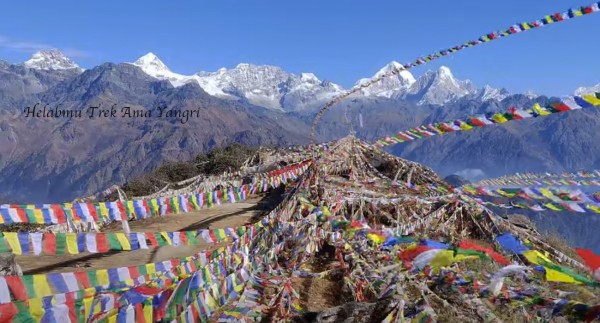
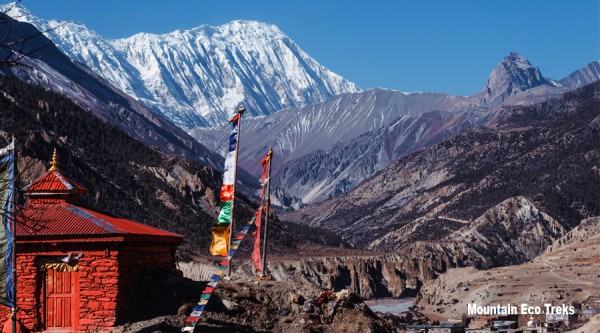
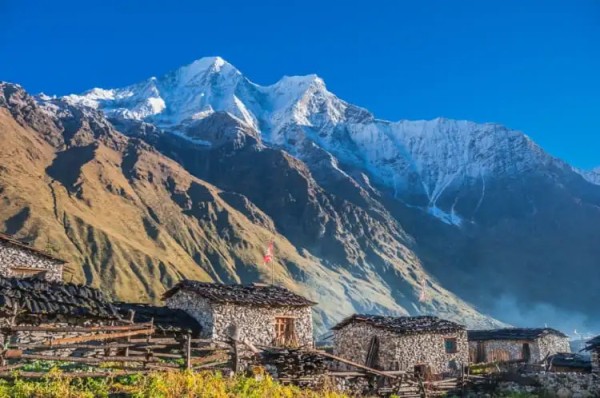
- Living Tibetan culture: traditional stone houses, prayer flags, mani walls and centuries-old monasteries.
- Remote and quiet trails: far fewer trekkers than the main Annapurna Circuit.
- Dramatic landscapes: deep canyons, high pastures and views of Himlung Himal, Pisang Peak and the Annapurna massif.
- Wildlife potential: the region is home to blue sheep, Himalayan tahr and, rarely, snow leopards.
Practical Tips for Your Trek
- Pack layers, a warm sleeping bag, a good down jacket, gloves, a hat and sturdy boots.
- Carry enough cash, since there are no ATMs beyond the main circuit villages.
- Expect simple teahouse or lodge accommodation with basic facilities in remote sections.
- Move slowly, drink plenty of water and respect acclimatization schedules.
- Travel with a licensed guide and, ideally, a porter for safety and comfort.
Why Trek with Mountain Eco Treks?
A remote, restricted-area trek needs careful planning, local knowledge and reliable support. With experienced guides, well-designed itineraries, permit handling and full logistical backup, Mountain Eco Treks helps you explore Nar Phu safely and comfortably. Discover the full details and reserve your spot here: Annapurna Nar Phu Valley Trek with Mountain Eco Treks.
FAQs About Nar Phu Valley from Dharapani
1. How far is Nar Phu Valley from Dharapani?
In a straight line, the valley is roughly 20 to 25 km away. On foot, the trail from Dharapani to Phu is about 45 to 55 km, and the full Nar Phu loop with the Kang La crossing covers considerably more. The terrain and altitude make it a multi-day journey.
2. How many days does it take to walk from Dharapani to Nar Phu?
Most trekkers take about 3 to 4 days to reach Phu, followed by an acclimatization day and another day to reach Nar. Crossing Kang La to Ngawal adds another day, so the section from Dharapani to Ngawal usually takes around 6 to 8 days.
3. Where does the Nar Phu Valley trail begin?
The trail leaves the Annapurna Circuit near Dharapani and follows the Phu Khola from the village of Koto. It is a separate valley, accessed through a checkpoint where restricted area permits are verified.
4. Is a special permit required for Nar Phu Valley?
Yes. Nar Phu is a restricted area, so a special permit is required in addition to ACAP and the trekking registration. You normally need at least two trekkers and a licensed guide arranged through a registered agency. Fees vary by season and duration, so confirm current rates before booking.
5. How difficult is the Nar Phu Valley trek?
It is considered challenging to strenuous. Long walking days, rough and sometimes exposed trails, high altitude and the Kang La Pass (about 5,320 m) demand good fitness and prior trekking experience. With proper acclimatization and a steady pace, it is very achievable.
6. What is the best season for Nar Phu Valley?
Autumn (September to November) and spring (March to May) provide the best weather and visibility. Winter brings heavy snow and cold, and the monsoon can cause landslides and cloudy views, so both are generally avoided.
7. Is altitude sickness a risk on the Nar Phu trek?
Yes. Phu and Nar sit above 4,000 metres and Kang La reaches over 5,300 metres. Scheduled acclimatization days, slow ascent, plenty of fluids and careful monitoring by your guide are essential. If symptoms such as persistent headache, nausea or confusion develop, descend immediately.
8. What kind of accommodation and food can I expect?
Expect simple teahouses or lodges with twin-share rooms and shared bathrooms. Menus are basic but filling, with dal bhat, noodles, soups, eggs and tea. Facilities become more limited at higher altitudes, so pack warm gear and keep your expectations realistic.
9. Can I combine Nar Phu with the Annapurna Circuit?
Yes. Many trekkers cross Kang La to Ngawal and then continue to Manang and Thorong La, combining both routes into one longer journey. Others add side trips such as Tilicho Lake. Your operator can tailor the itinerary to your time and fitness.
10. How much does the Nar Phu Valley trek cost, and why choose a local operator?
Costs depend on group size, trip length, permits, transport, guide and porter services and season. Because permits, logistics and safety in a restricted area are complex, a local operator saves time and reduces risk. See the current details on the Annapurna Nar Phu Valley Trek page.
Final Thoughts
So, how far is Nar Phu Valley from Dharapani? In a straight line it is only about 20 to 25 km, but on foot it is a rewarding multi-day journey of roughly 45 to 55 km to Phu alone, and considerably more if you complete the full loop over Kang La Pass. Along the way, you climb from around 1,860 metres at Dharapani to more than 4,000 metres, passing through narrow canyons, high pastures and ancient villages that feel worlds away from the busier Annapurna Circuit.
What makes Nar Phu unforgettable is the sense of stepping into a hidden Himalayan world. You will walk beside the roaring Phu River beneath towering cliffs, cross wooden bridges strung with prayer flags, and reach villages where stone houses, mani walls and centuries-old monasteries reflect a living Tibetan Buddhist culture. There is the quiet of the high trails, the warmth of a family-run teahouse after a long day, and the thrill of standing on Kang La Pass with the Annapurna range spread out before you. These are the moments that stay with you long after the trek ends.
Because this is a remote, restricted-area trek at high altitude, preparation matters. Choose the right season, with autumn and spring offering the clearest skies and safest conditions. Build your fitness with regular hiking, stair climbing and cardio in the weeks before you go. Allow time to acclimatize, pack carefully, and listen to your body along the way. Just as important, travel with a licensed and experienced local team that knows the trails, understands the permit requirements and can respond quickly if conditions change.
At Mountain Eco Treks, we take care of the permits, transport, accommodation, meals, guides and porters, so you can focus on the experience rather than the logistics. Our team is passionate about sharing this quiet corner of Nepal responsibly, supporting local communities and protecting the fragile mountain environment.
Ready to start planning? Visit the Annapurna Nar Phu Valley Trek page for the full itinerary, inclusions and pricing, and connect with Mountain Eco Treks today. The hidden valley is waiting, and it is closer than you think.
Recent From Blog

19th Apr, 2019


23rd Dec, 2018

11th Jan, 2024

14th Jan, 2024

29th Jan, 2025

11th Feb, 2025

18th Feb, 2025

25th Feb, 2025

5th Apr, 2025
23rd Dec, 2025
9th May, 2026
12th Jul, 2026

13th Aug, 2026
13th Aug, 2026
13th Aug, 2026

16th Aug, 2026
20th Aug, 2026



11th Sep, 2026



24th Sep, 2026