
Is the Langtang Tamang Heritage Trek Suitable for Beginners?
6th Nov, 2026
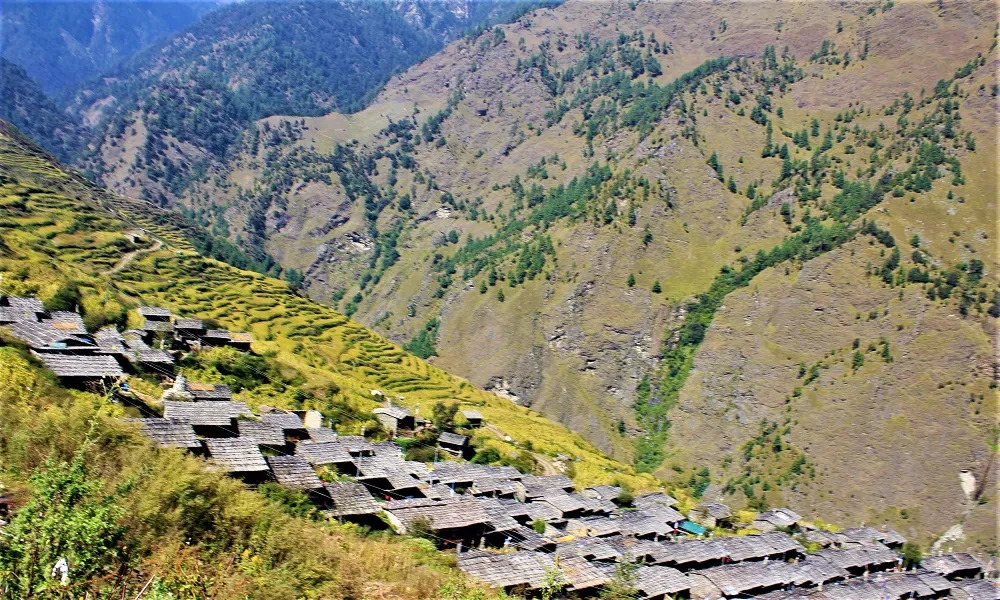
If you are planning your first Himalayan trek, you want a route that feels like a real adventure without being out of reach. The Langtang Tamang Heritage Trek is often recommended for exactly that reason. It starts close to Kathmandu, stays at moderate altitude, and trades extreme elevation for forest trails, hot springs, monasteries, and warm Tamang villages.
Table of Contents
But “beginner-friendly” does not mean “effortless.” This guide gives you an honest answer: who the trek suits, what makes it manageable, where beginners struggle, and how to prepare. You can see the full itinerary and inclusions on the Langtang Tamang Heritage Trek page by Mountain Eco Treks.
The Short Answer: Yes, With Conditions
Yes, the Langtang Tamang Heritage Trek is suitable for beginners who are in good general health and willing to prepare. It is graded moderate, needs no technical climbing skills, and keeps altitude relatively low, which lowers the risk of altitude sickness compared with treks such as Everest Base Camp or the Annapurna Circuit.
It is a good fit if:
- You can walk 5 to 6 hours a day on hills and stairs
- You are comfortable with simple teahouse or homestay accommodation
- You have 4 to 8 weeks to build basic fitness
- You are happy to trek with a guide
It may not be the best fit if:
- You have untreated heart, lung, or blood pressure conditions
- You dislike long walking days or basic facilities
- You expect luxury lodges or constant Wi-Fi
Langtang Tamang Heritage Trek at a Glance
| Detail | Information |
|---|---|
| Duration | 10 days (about 6 days of trekking) |
| Difficulty | Moderate |
| Start / End Point | Syabrubesi |
| Highest Overnight Stay | Tatopani, 2,607 m |
| Daily Walking | About 5 to 6 hours |
| Accommodation | Teahouses, lodges, and homestays |
| Group Size | 1 to 15 trekkers |
| Best Season | March to May and September to November |
| Technical Skills Needed | None |
Why the Trek Works Well for Beginners
1. Moderate Altitude
Overnight stays range from about 1,470 m at Syabrubesi to 2,607 m at Tatopani, with the Nagthali ridge reaching just over 3,000 m (approximate). That is well below the thin-air zone of the big Himalayan treks, so most healthy beginners feel comfortable.
2. No Technical Climbing
The trail follows forest paths, farmland tracks, stone steps, and ridge walks. You do not need ropes, crampons, or mountaineering experience.
3. Close to Kathmandu
You reach the trailhead by road in about 6 to 7 hours, with no flights and no weather-delayed mountain airstrips. That makes logistics simpler for first-timers.
4. A Gradual, Varied Route
The trek mixes easy days with a few steeper climbs, so your body can build rhythm. Villages are close together, which means regular tea stops and plenty of rest points.
5. Culture That Keeps You Motivated
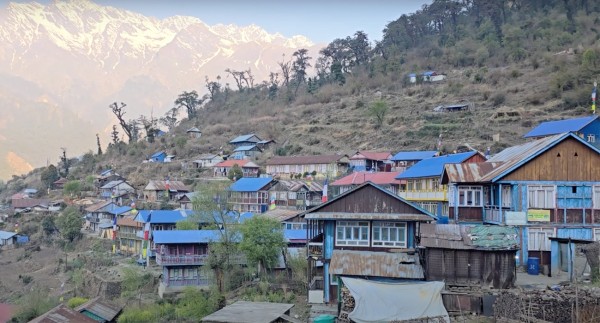
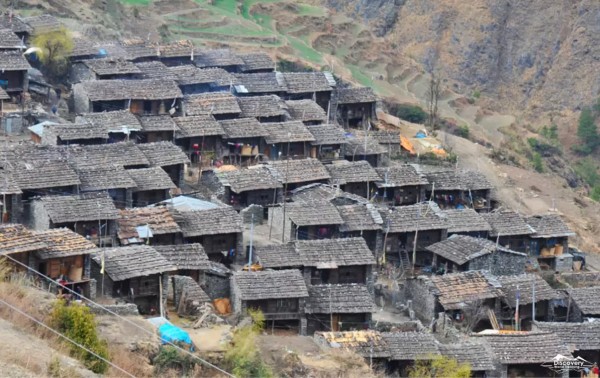
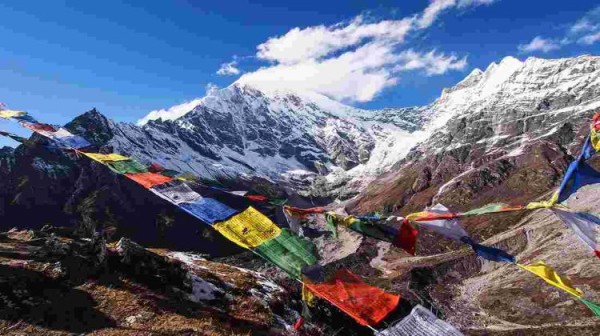
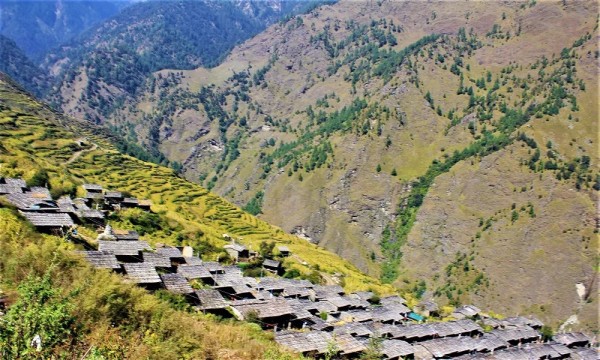
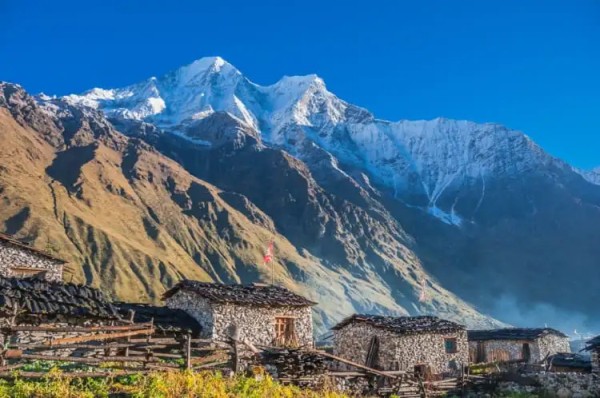
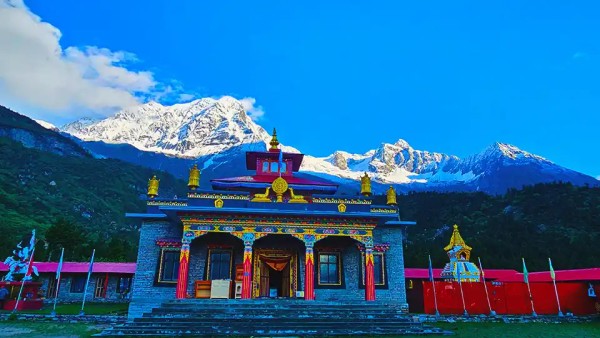
Beginners often find long walks easier when each day brings something new. Gatlang, Thuman, and Briddim offer monasteries, stone houses, prayer flags, and warm Tamang hospitality, so the trek feels like a journey, not a test.
6. Fewer Crowds
Quieter trails mean less pressure to keep up, easier room bookings, and a calmer first trekking experience.
Where Beginners Can Struggle
Honest preparation matters. These are the parts most first-time trekkers find hardest:
- Steady uphill sections: Several days include long climbs, especially toward Tatopani and the Nagthali ridge.
- Back-to-back walking days: The challenge is repeating 5 to 6 hours of walking day after day, not any single day.
- Long descents: Steep downhill sections are tough on knees, especially without poles.
- Basic facilities: Expect shared bathrooms, simple rooms, cold nights, and limited charging.
- Long drives: The road to and from Syabrubesi takes about 6 to 7 hours each way and can be bumpy.
- Weather changes: Rain, cold, or early snow can make trails slippery and tiring.
Day-by-Day Difficulty for Beginners
| Day | Route | Walking Time | Beginner Difficulty |
|---|---|---|---|
| 1 | Arrive in Kathmandu | None | Easy |
| 2 | Drive to Syabrubesi | 6 to 7 hours by road | Easy, but tiring |
| 3 | Syabrubesi to Gatlang (2,200 m) | About 5 hours | Moderate |
| 4 | Gatlang to Tatopani (2,607 m) | About 6 hours | Moderate to hard |
| 5 | Tatopani to Thuman (2,400 m) via Nagthali | About 6 hours | Hardest day for many |
| 6 | Thuman to Briddim (2,345 m) | About 6 hours | Moderate |
| 7 | Briddim to Lama Hotel (2,350 m) | About 6 hours | Moderate |
| 8 | Lama Hotel to Syabrubesi (1,470 m) | About 6 hours | Moderate (downhill) |
| 9 | Drive to Kathmandu | 6 to 7 hours by road | Easy |
| 10 | Departure | None | Easy |
Walking times and altitudes are approximate and vary by pace, season, and trail conditions.
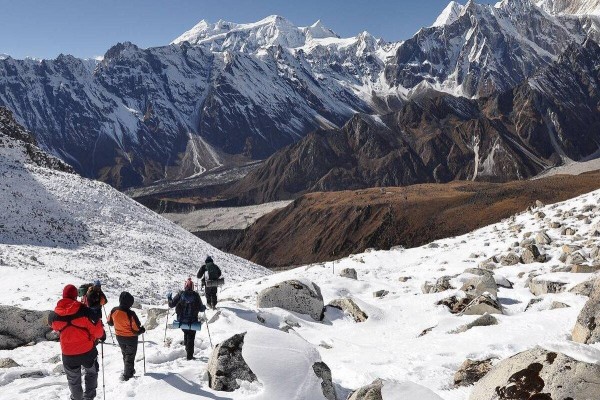
Hardest day for most beginners: The climb through Nagthali on Day 5, where the route gains height and offers the trek’s best mountain views. Start early, take regular breaks, and let your guide set the pace.
Altitude: Is Altitude Sickness a Concern?
The risk is low compared with high-altitude treks, but it is not zero. Most nights are spent between about 1,470 m and 2,607 m. Some people can feel mild symptoms, such as headache or poor sleep, on the higher ridge sections.
Simple precautions:
- Walk slowly and steadily
- Drink 3 to 4 liters of water a day
- Avoid alcohol
- Eat regular meals
- Tell your guide about headaches, nausea, or dizziness
- Descend if symptoms worsen
Fitness Requirements for Beginners
You do not need to be an athlete, but you should be able to walk 5 to 6 hours with a light daypack on uneven ground.
Aim for:
- Cardio: 3 sessions a week of brisk walking, jogging, cycling, or swimming for 30 to 45 minutes
- Leg strength: Squats, lunges, and step-ups twice a week
- Hill training: One longer hike or stair session each week
- Loaded practice: Hikes with a 5 to 7 kg daypack
- Boot break-in: Wear your trekking boots on training hikes
Start 6 to 8 weeks before departure. If you are new to exercise, begin earlier and build gradually. Consult a doctor first if you have any health conditions.
Best Season for First-Time Trekkers
Spring (March to May): Warm days, blooming rhododendrons, and clear mornings. Great for scenery and comfortable temperatures.
Autumn (September to November): The most stable weather and the sharpest mountain views. Slightly busier, but still quiet by Nepal’s standards.
Winter (December to February): Cold mornings and nights, with possible snow on higher sections. Possible for beginners with warm gear, but less comfortable.
Monsoon (June to August): Rain, leeches, slippery trails, and landslide risks on the road. Not recommended for beginners.
Best choice for beginners: Mid-March to May or October to November.
Why Go With a Guide
Beginners gain a lot from a licensed guide and porter:
- Navigation: Trails branch often, and signs are limited
- Pacing: A guide sets a speed that protects your energy
- Safety: Daily checks for altitude symptoms and fatigue
- Logistics: Lodges, meals, permits, and transport are arranged for you
- Culture: Local stories and customs make the villages more meaningful
- Lighter load: Porters carry your main bag, so you only carry a daypack
Mountain Eco Treks arranges guides, porters, permits, accommodation, meals, and transport as part of the package, so you can focus on walking and enjoying the scenery.
Permits and Paperwork
You normally need a Langtang National Park entry permit and a TIMS card. The park permit is commonly quoted at about NPR 3,000 plus 13% VAT for foreign nationals, while TIMS fees vary, so confirm current rates with your operator. Your agency typically handles the paperwork. Fees and rules can change.
Accommodation and Food Beginners Should Expect
- Accommodation: Simple teahouses, lodges, and homestays with twin-sharing rooms, shared bathrooms, and unheated rooms
- Food: Dal bhat, noodles, soups, momos, pasta, eggs, and Tibetan bread, all freshly cooked
- Water: Boiled, filtered, or treated water only
- Charging and Wi-Fi: Limited and sometimes paid, so carry a power bank
A warm sleeping bag, a liner, and layers make nights far more comfortable. Sleeping bags and down jackets can often be rented in Kathmandu.
Beginner Packing Checklist
- Broken-in, waterproof trekking boots and 4 to 5 pairs of trekking socks
- Moisture-wicking base layers, fleece, down jacket, and waterproof shell
- Warm hat, sun hat, gloves, and sunglasses
- Trekking poles (especially for descents)
- 25 to 30 L daypack with rain cover
- Headlamp, water bottle, and purification tablets
- Sunscreen, lip balm, blister plasters, and personal medication
- Power bank, charging cables, and a universal adapter
- Passport copies, insurance details, and Nepali rupees in small notes
How It Compares With Other Beginner Treks
| Trek | Duration | Difficulty | Best For |
|---|---|---|---|
| Langtang Tamang Heritage Trek | 10 days | Moderate | Culture, forests, quiet trails |
| Langtang Valley Trek | About 9 days | Moderate | Glacier views and higher altitude |
| Helambu Trek | About 9 days | Easy to moderate | Short, gentle trek near Kathmandu |
| Langtang Gosainkunda Circuit | About 15 days | Moderate to challenging | Alpine lakes and a longer challenge |
If you want an even gentler start, the Helambu Trek is a shorter option. If you want a bigger challenge later, the Langtang Valley and Gosainkunda routes are natural next steps. Browse more options in the Langtang region trekking collection.
Practical Tips for First-Time Trekkers
- Train early, at least 6 to 8 weeks before departure
- Break in your boots on long hikes
- Pack light, with a daypack under 7 kg
- Start walking early, when views are clearest and trails are cooler
- Walk slowly, because a steady pace beats speed
- Drink water regularly, even when you do not feel thirsty
- Use poles on steep descents
- Tell your guide how you feel, and speak up early about pain, headaches, or fatigue
- Carry snacks, such as nuts, energy bars, and chocolate
- Buy insurance covering trekking, emergency evacuation, and trip cancellation
- Keep an open mind, since basic facilities are part of the adventure
Top 15 FAQs: Langtang Tamang Heritage Trek for Beginners
1. Is the Langtang Tamang Heritage Trek suitable for beginners?
Yes. The trek is graded moderate and needs no technical skills or previous trekking experience. Overnight stays stay below about 2,700 m, trails are well established, and villages are close together. Beginners should still be healthy, comfortable walking 5 to 6 hours a day, and willing to train for several weeks before departure.
2. How difficult is the Tamang Heritage Trek compared with other treks?
It is easier than high-altitude routes such as Everest Base Camp, the Annapurna Circuit, or the Langtang Gosainkunda Circuit because the altitude is lower and the route is shorter. It is more demanding than short hill walks such as the Helambu Trek because of long uphill sections and consecutive walking days. Most beginners describe it as challenging but achievable.
3. Do I need previous trekking experience?
No. Many first-time trekkers complete this trail successfully. Regular walking, hill hikes, and basic fitness work matter more than experience. If you have never done a multi-day hike, try a weekend hiking trip beforehand so you know how your boots, pack, and body respond.
4. How fit do I need to be?
You should be able to walk 5 to 6 hours a day on uneven ground with a light daypack. Good cardio fitness, leg strength, and stamina help most. Aim for 3 cardio sessions a week, two short strength sessions, and a longer hike on weekends for 6 to 8 weeks before the trek.
5. How many days does the trek take, and how long is the daily walk?
The standard itinerary is 10 days from arrival to departure, with about 6 days of trekking and two driving days to and from Syabrubesi. Daily walking is around 5 to 6 hours. The longer days include the climb toward Tatopani and the Nagthali ridge.
6. What is the highest altitude on the trek?
Overnight stays reach about 2,607 m at Tatopani, and the Nagthali ridge climbs just above 3,000 m (approximate). This is much lower than the 4,000 to 5,000 m reached on other famous Nepal treks, which lowers the risk of altitude sickness for beginners.
7. Can I get altitude sickness on this trek?
The risk is low but not zero. Some trekkers feel mild headaches or poor sleep on the higher sections. Walk slowly, drink 3 to 4 liters of water daily, avoid alcohol, and tell your guide about symptoms early. If symptoms worsen, descend, because that is the safest and most effective treatment.
8. What is the best time of year for beginners?
March to May and September to November offer the most stable weather and clearest views. Spring brings blooming rhododendrons and mild days, while autumn gives crisp air and sharp mountain scenery. Winter is cold with possible snow, and the monsoon brings rain, leeches, and slippery trails, so both are less suitable for first-timers.
9. Do I need a guide and a porter?
A guide is strongly recommended and makes the trip safer and easier for beginners, as the trails branch often and signs are limited. A porter lets you carry only a light daypack, which reduces fatigue and the risk of injury. Mountain Eco Treks includes a guide and porters in the package, with permits and logistics arranged for you.
10. What permits do I need?
You normally need a Langtang National Park entry permit and a TIMS card. The park permit is commonly quoted at about NPR 3,000 plus 13% VAT for foreign nationals, and TIMS fees vary by trekker type. Rules and fees can change, so confirm current details with your operator. Your agency usually arranges permits for you.
11. What is the accommodation like for first-time trekkers?
You stay in simple teahouses, lodges, and village homestays with twin-sharing rooms and shared bathrooms. Rooms are basic and unheated, so you need a warm sleeping bag. Hot showers, charging, and Wi-Fi may cost extra and can be unreliable. In Kathmandu, you stay in a standard hotel before and after the trek.
12. What food can I expect, and is it safe?
Meals are freshly cooked and include dal bhat, noodles, soups, momos, pasta, eggs, potatoes, and Tibetan bread. Vegetarian and vegan options are easy to find. Drink only boiled, filtered, or treated water, wash your hands before meals, and choose hot, freshly cooked dishes. Mention any allergies or dietary needs when booking.
13. What should a beginner pack?
Pack layered clothing, broken-in waterproof boots, a warm sleeping bag, a down jacket, a waterproof shell, warm hat and gloves, trekking poles, a headlamp, a water bottle with purification tablets, sunscreen, blister care, and a power bank. Keep your daypack under about 7 kg, and leave non-essentials in Kathmandu. Sleeping bags and jackets can often be rented in the city.
14. Is travel insurance necessary?
Yes, it is strongly recommended and often required by trekking companies. Choose a policy that covers trekking to at least 3,000 m, emergency medical treatment, helicopter evacuation, and trip cancellation. Check that “trekking” is named in the policy and keep a copy of your policy number and emergency contact with your guide.
15. Can I do the trek solo, as a family, or with children?
Solo travelers can join a group departure or book a private trek, and a guide is strongly recommended in either case. Families can trek together with a private itinerary, flexible pacing, and extra rest days. Children who are active and comfortable walking for several hours can do the trek, but check with a doctor first and keep daily distances shorter. Contact your operator to design a family-friendly plan.
Final Thoughts
The Langtang Tamang Heritage Trek is one of the best first Himalayan treks in Nepal. It offers real mountain scenery, forest trails, hot springs, and rich Tamang culture, without the extreme altitude or crowds of other famous routes. With a few weeks of preparation, a licensed guide, and a steady pace, most healthy beginners can complete it and enjoy every day of it.
Ready to plan your first trek? Visit the Langtang Tamang Heritage Trek page for the full itinerary and inclusions, then contact Mountain Eco Treks to check dates, ask questions, or customize the trip to your fitness level and schedule.
Note: Altitudes, walking times, permit fees, and inclusions are approximate and can change. Confirm current details with your trekking operator before booking. This guide is general information and not medical advice, so consult a doctor before trekking, especially if you have health conditions.
Recent From Blog

19th Apr, 2019


23rd Dec, 2018

11th Jan, 2024

14th Jan, 2024

29th Jan, 2025

11th Feb, 2025

18th Feb, 2025

25th Feb, 2025

5th Apr, 2025
23rd Dec, 2025
9th May, 2026
12th Jul, 2026

13th Aug, 2026
13th Aug, 2026
13th Aug, 2026

16th Aug, 2026
20th Aug, 2026


11th Sep, 2026
24th Sep, 2026
25th Sep, 2026
5th Oct, 2026
6th Oct, 2026
11th Oct, 2026
13th Oct, 2026