
Langtang Tamang Heritage Trek: Itinerary, Best Season & Attractions
3rd Nov, 2026
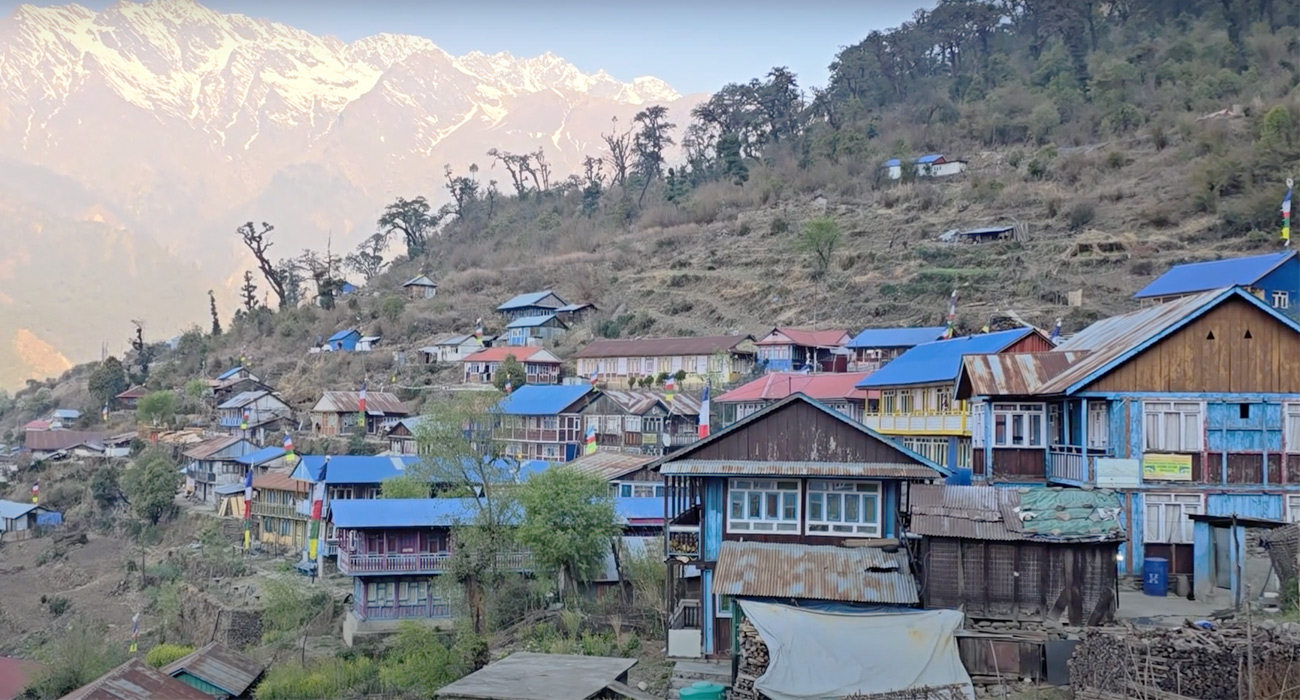
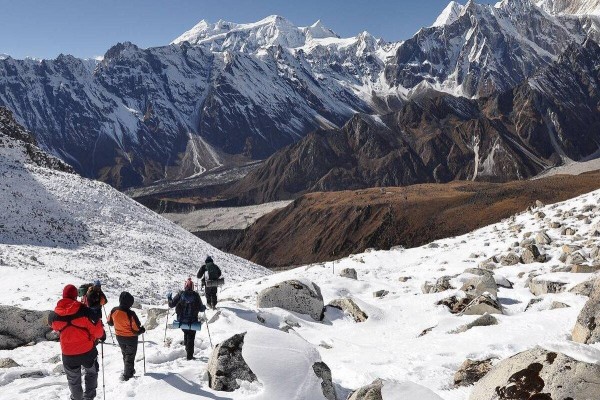
Some treks are about reaching a summit. The Langtang Tamang Heritage Trek is about the walk itself: old stone villages, hot springs, Buddhist monasteries, and rhododendron forests, with Ganesh Himal and Langtang Lirung on the horizon. It starts only a day’s drive from Kathmandu, yet it feels remote and uncrowded.
Table of Contents
This guide covers the full itinerary, the best season, difficulty, permits, and the attractions worth your time. You can also view the full package, inclusions, and booking details on the Langtang Tamang Heritage Trek page by Mountain Eco Treks.
What Is the Langtang Tamang Heritage Trek?
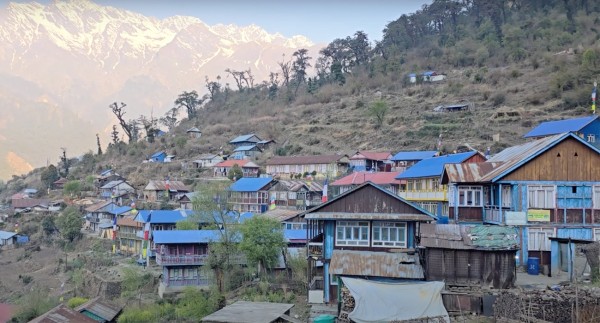
The Tamang Heritage Trail is a cultural trek through the Rasuwa district, north of Kathmandu and close to the Tibet border. It follows an old trade route between Nepal and Tibet, passing through villages of the Tamang people, who have lived in these hills for centuries.
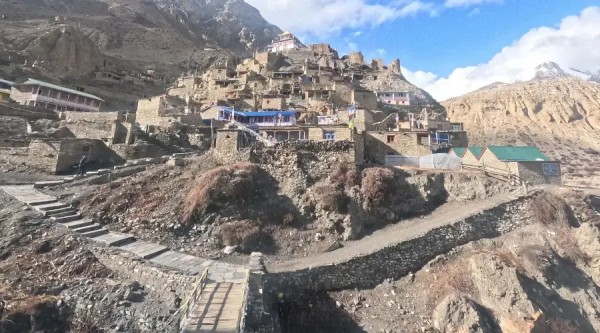
The Tamang trace their roots to Tibetan and Mongolian backgrounds and follow Tibetan Buddhism, which you see in the prayer flags, mani walls, monasteries, and traditional stone houses along the way. You can read more in this overview of the Tamang people.
The trail is a loop around the western side of Langtang National Park. It combines easy forest walking, steady climbs, and ridge views without the extreme altitude of bigger Himalayan treks.
Langtang Tamang Heritage Trek at a Glance
| Detail | Information |
|---|---|
| Duration | 10 days (8 days on the trail, including arrival and departure) |
| Difficulty | Moderate |
| Start / End Point | Syabrubesi |
| Highest Village Stay | Tatopani, 2,607 m |
| Daily Walking | About 5 to 6 hours |
| Accommodation | Teahouses, lodges, and homestays |
| Group Size | 1 to 15 trekkers |
| Best Season | March to May and September to November (avoid monsoon) |
| Permits | Langtang National Park permit and TIMS card |
Why Choose the Tamang Heritage Trail?
- Rich culture: Stay in real Tamang villages and see monasteries, traditional homes, and daily mountain life.
- Close to Kathmandu: The trailhead is reachable in a day by road, with no flights needed.
- Moderate altitude: The route stays well below the high-altitude zone, so it suits first-time trekkers and keeps the risk of altitude sickness low.
- Fewer crowds: The trail is quieter than Everest or Annapurna routes.
- Natural hot springs: Soak in the hot springs at Tatopani after a day of walking.
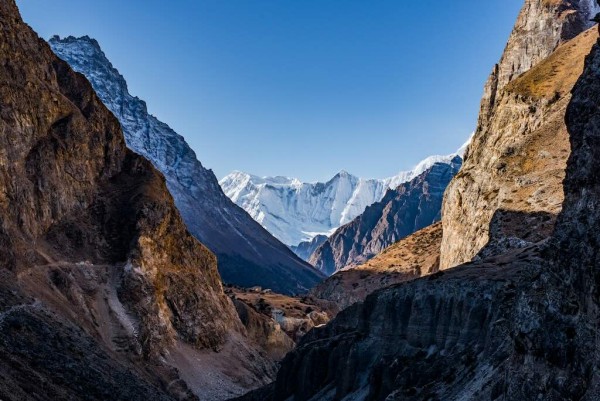
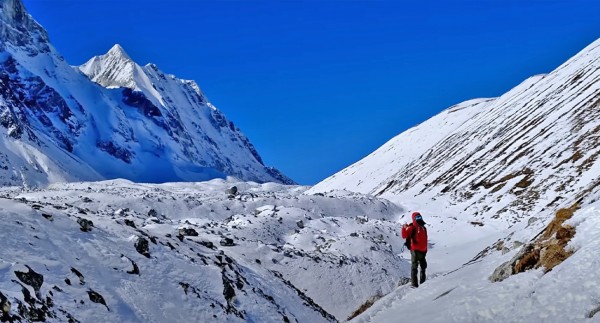
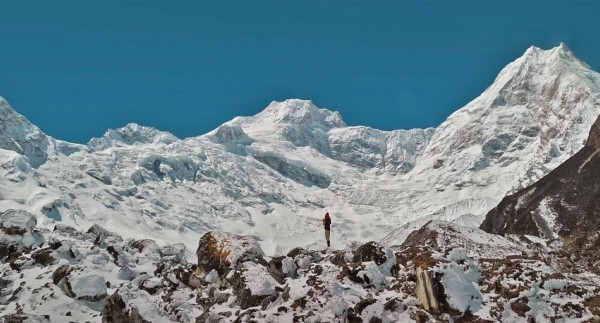
- Mountain views: See Ganesh Himal, Langtang Lirung, and the Tibetan border peaks.
Langtang Tamang Heritage Trek Itinerary (10 Days)
Day 1: Arrive in Kathmandu (1,350 m)
Your guide meets you at the airport and takes you to your hotel. In the evening you get a trek briefing and a gear check. Spend any extra time on the Kathmandu city sightseeing tour to see the temples and old squares before you head to the hills.
Day 2: Drive to Syabrubesi (1,470 m), 6 to 7 hours
The road climbs from the warm lowlands of Trisuli Bazaar to Dhunche (1,950 m), the headquarters of Langtang National Park, then drops to Syabrubesi beneath Ganesh and Langtang Himal. Overnight in a simple local lodge.
Day 3: Trek to Gatlang (2,200 m), 5 hours
The trail leaves the main road and follows old walking paths through Tamang farmland to Gatlang, one of the largest villages on the route. Explore the monastery and traditional houses, and enjoy a warm welcome from locals. Nearby Parvati Kunda is a sacred lake often visited by pilgrims.
Day 4: Trek to Tatopani (2,607 m), 6 hours
A gradual climb through woodland and small farm villages leads to Tatopani (“hot water”), with views of Ganesh Himal along the way. Soak in the natural hot springs in the evening.
Day 5: Trek to Thuman (2,400 m) via Nagthali, 6 hours
Follow the Tibet-bound trail north, then climb through forest to the Nagthali ridge, where you get some of the trek’s best mountain views. Continue to Thuman, a quiet farming village where you can explore in the afternoon.
Day 6: Trek to Briddim (2,345 m), 6 hours
Climb to a ridge with wide mountain panoramas, then walk through rhododendron, pine, and oak forest before descending to Briddim, a peaceful Tamang village.
Day 7: Trek to Lama Hotel (2,350 m), 6 hours
Walk through deep forest to Lama Hotel, a small settlement on the Langtang Valley trail beside the upper Trisuli River.
Day 8: Trek to Syabrubesi (1,470 m), 6 hours
Follow the river downhill through terraced fields and small villages, cross the suspension bridge near the Bhote Koshi River, and return to Syabrubesi for your final night on the trail.
Day 9: Drive back to Kathmandu
Enjoy the scenic highway back to Kathmandu, about six hours, and transfer to your hotel. A farewell dinner is a fitting end to the trek.
Day 10: Final departure
Your guide transfers you to the airport for your flight home, or you can extend your trip with more of Nepal.
Walking hours and altitudes are approximate and may change with weather and trail conditions.
Best Season for the Langtang Tamang Heritage Trek
The trek is possible in most seasons, but the monsoon is best avoided.
Spring (March to May): The best time for color. Rhododendron and magnolia forests bloom, the weather is warm, and the mountain views are clear in the mornings.
Autumn (September to November): The most stable weather, crisp air, and the sharpest mountain views. This is the busiest season, though the trail is still quiet compared to other regions.
Winter (December to February): Cold mornings and nights, with possible snow on higher sections. Skies are often clear, and the trail is very peaceful, but you need warm layers and a good sleeping bag.
Monsoon (June to August): Rain brings slippery trails, leeches, cloud-covered views, and a risk of landslides on the road. Most trekkers avoid this season.
Our recommendation: Choose March to May or October to November for the best mix of views, comfort, and safety.
Top Attractions on the Tamang Heritage Trail
- Gatlang village: A large Tamang settlement with a monastery, stone houses, and strong local traditions.
- Parvati Kunda: A sacred high-altitude lake near Gatlang, visited by Hindu and Buddhist pilgrims.
- Tatopani hot springs: Natural hot water pools that soothe tired legs after the climb.
- Nagthali viewpoint: A ridge with sweeping views of Ganesh Himal, Langtang Lirung, and the Tibetan border peaks.
- Thuman and Briddim villages: Quiet farming villages with old houses, monasteries, and mountain life.
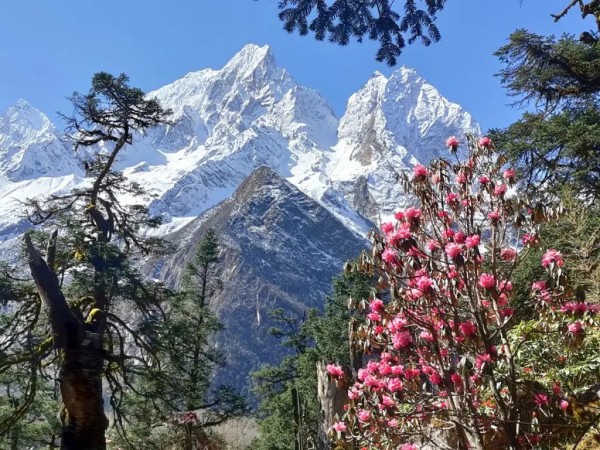
- Rhododendron and magnolia forests: Especially beautiful in spring, with tall trees, moss, and birdlife.
- Langtang National Park wildlife: Himalayan monal, langur monkeys, and, with luck, rarer species such as red panda and Himalayan black bear.
- Tamang culture: Tibetan Buddhist prayer flags, mani walls, local music, and traditional food.
Difficulty and Fitness
The trek is graded moderate. You walk about 5 to 6 hours a day on forest trails, stone steps, and steady uphill sections, with a few steep climbs, notably the ridge to Nagthali. No technical skills or prior trekking experience are needed, but a good level of fitness helps.
Preparation tips:
- Begin cardio training 4 to 6 weeks before your trip (walking, jogging, cycling)
- Practice hill walks with a loaded daypack
- Break in your trekking boots before departure
- Use trekking poles to protect your knees on descents
Altitude is modest compared with other Himalayan treks, so the risk of altitude sickness is low, but you should still drink plenty of water and tell your guide about any symptoms.
Permits Required
You need two permits for this trek:
- Langtang National Park entry permit: Commonly quoted at about NPR 3,000 plus 13% VAT for foreign nationals
- TIMS card: The fee varies by trekker type, so confirm the current rate with your agency
Children under 10 are generally exempt from the park fee. Fees and rules change, so check current rates before you travel. Your trekking agency normally arranges permits and paperwork for you.
Food and Accommodation
You stay in simple teahouses, lodges, and village homestays with twin-sharing rooms and shared bathrooms. Meals are freshly cooked and hearty: Nepali dal bhat, noodles, momos, soups, pasta, eggs, and Tibetan bread. Vegetarian and vegan options are easy to find. Hot showers, Wi-Fi, and device charging may cost extra, so carry a power bank and some cash.
What’s Included in a Typical Package
On the Mountain Eco Treks Langtang Tamang Heritage Trek, the standard package covers:
- Airport transfers and transport to and from the trailhead
- Three nights of hotel accommodation with breakfast in Kathmandu
- Three meals a day on the trek, plus snacks and seasonal fruit
- Safe, chlorine-treated drinking water
- An experienced guide, porters, and their food, lodging, and equipment
- Permits, paperwork, and government taxes
- Sleeping bag and duffel bag for the trek, and a trekking map
- A first-aid kit and a farewell Nepali dinner
Typical exclusions include lunch and dinner in Kathmandu, personal travel insurance, hot showers, Wi-Fi, charging, bottled drinks, personal equipment, and tips. Check the latest inclusions on the trip page before booking.
Combine It With Other Langtang Treks
If you have more time, extend your trip with other treks in the same region:
- Langtang Valley Trek: Glacier views and Kyanjin Gompa, 9 days
- Langtang Gosainkunda Circuit Trek: High alpine lakes and a longer circuit, 15 days
- Helambu Trek: A shorter, gentler trek close to Kathmandu, 9 days
Browse more routes in the Langtang region trekking collection.
Packing Essentials
- Broken-in waterproof trekking boots and camp sandals
- Layered clothing: base layer, fleece, down jacket, and waterproof shell
- Warm hat, gloves, sunglasses, and sunscreen
- Sleeping bag, daypack, and trekking poles
- Headlamp, power bank, and universal adapter
- Water bottle with purification tablets
- Personal first-aid kit and any regular medication
- Passport, visa, permits, insurance papers, and Nepali rupees in small notes
Top 10 FAQs About the Langtang Tamang Heritage Trek
1. How difficult is the Langtang Tamang Heritage Trek?
The trek is moderate. You walk about 5 to 6 hours a day on forest trails with steady climbs and a few steeper ridge sections. The altitude stays relatively low, so it is more about stamina than technical difficulty. Most reasonably fit people can complete it with a few weeks of preparation, including regular walking, stair climbing, and hill hikes with a daypack.
2. How many days does the trek take?
The standard itinerary is 10 days from arrival to departure, including two driving days to and from Syabrubesi, about six trekking days, and time in Kathmandu. You can shorten it to about 8 days with a faster pace or extend it by adding a Langtang Valley section or an extra rest day.
3. What is the best time to do the Tamang Heritage Trek?
March to May and September to November are the best seasons, offering stable weather and clear mountain views. Spring brings rhododendron blooms, and autumn gives the crispest skies. Winter is cold but quiet, while the monsoon (June to August) brings rain, leeches, and landslide risks, so it is best avoided.
4. Do I need a permit for the trek?
Yes. You need a Langtang National Park entry permit and a TIMS card. The park permit is commonly quoted at about NPR 3,000 plus 13% VAT for foreign nationals, but fees change, so confirm current rates. Your trekking agency normally arranges both, and you should carry copies of your passport and permits on the trail.
5. Can beginners do the Langtang Tamang Heritage Trek?
Yes. No prior trekking experience is needed, and the low altitude makes this one of the more beginner-friendly cultural treks. You should be healthy and comfortable walking for several hours a day. Hiring a guide makes the trip easier, as they handle navigation, pacing, lodging, and local culture.
6. Is altitude sickness a concern on this trek?
The risk is low because the trail stays mostly below about 3,000 m, with the main overnight stops between roughly 1,470 and 2,607 m. Mild symptoms such as headaches can still happen for some people. Drink plenty of water, walk at a steady pace, avoid alcohol, and tell your guide at once if you feel unwell.
7. What is the accommodation like on the trek?
You stay in simple teahouses, lodges, and village homestays with twin-sharing rooms and shared bathrooms. Facilities are basic but clean and friendly, and luxury lodges are not available on this remote trail. In Kathmandu, you stay in a standard hotel before and after the trek.
8. What food can I expect along the way?
Meals are freshly prepared at teahouses. Breakfast usually includes porridge, Tibetan bread, chapati, eggs, and tea or coffee. Lunch and dinner offer dal bhat, noodles, fried rice, momos, soups, pasta, and potato dishes. Vegetarian and vegan travelers have plenty of choices. Drink only boiled, filtered, or treated water.
9. Is there mobile network and Wi-Fi on the trail?
Mobile signal works in many villages but can drop in deep valleys and forests. Wi-Fi is available in some lodges, often for an extra fee, and the connection can be slow. Download offline maps, tell family about limited connectivity, and carry a power bank because charging may also cost extra.
10. Is travel insurance mandatory for the trek?
Travel insurance is strongly recommended and often required by trekking companies. Choose a policy that covers trekking to at least 3,000 m, emergency medical treatment, helicopter evacuation, and trip cancellation. Confirm that “trekking” is covered under the policy terms, and keep a copy of your policy number and emergency contact with your guide.
Final Thoughts
The Langtang Tamang Heritage Trek is a fine choice if you want culture, scenery, and a peaceful trail without extreme altitude. With welcoming Tamang villages, hot springs, forest trails, and views of Ganesh Himal and Langtang Lirung, it gives you a real taste of the Himalayas in about ten days.
Ready to plan your trip? Visit the Langtang Tamang Heritage Trek page for the full itinerary and inclusions, then contact Mountain Eco Treks to check dates, ask questions, or customize the route.
Note: Fees, altitudes, walking times, and inclusions are approximate and can change. Confirm current details with your trekking operator before booking.
Recent From Blog

19th Apr, 2019


23rd Dec, 2018

11th Jan, 2024

14th Jan, 2024

29th Jan, 2025

11th Feb, 2025

18th Feb, 2025

25th Feb, 2025

5th Apr, 2025
23rd Dec, 2025
9th May, 2026
12th Jul, 2026

13th Aug, 2026
13th Aug, 2026
13th Aug, 2026

16th Aug, 2026
20th Aug, 2026


11th Sep, 2026
24th Sep, 2026
25th Sep, 2026
5th Oct, 2026
6th Oct, 2026
11th Oct, 2026
13th Oct, 2026