
Langtang Valley Trek Distance: Complete Guide
24th Sep, 2026
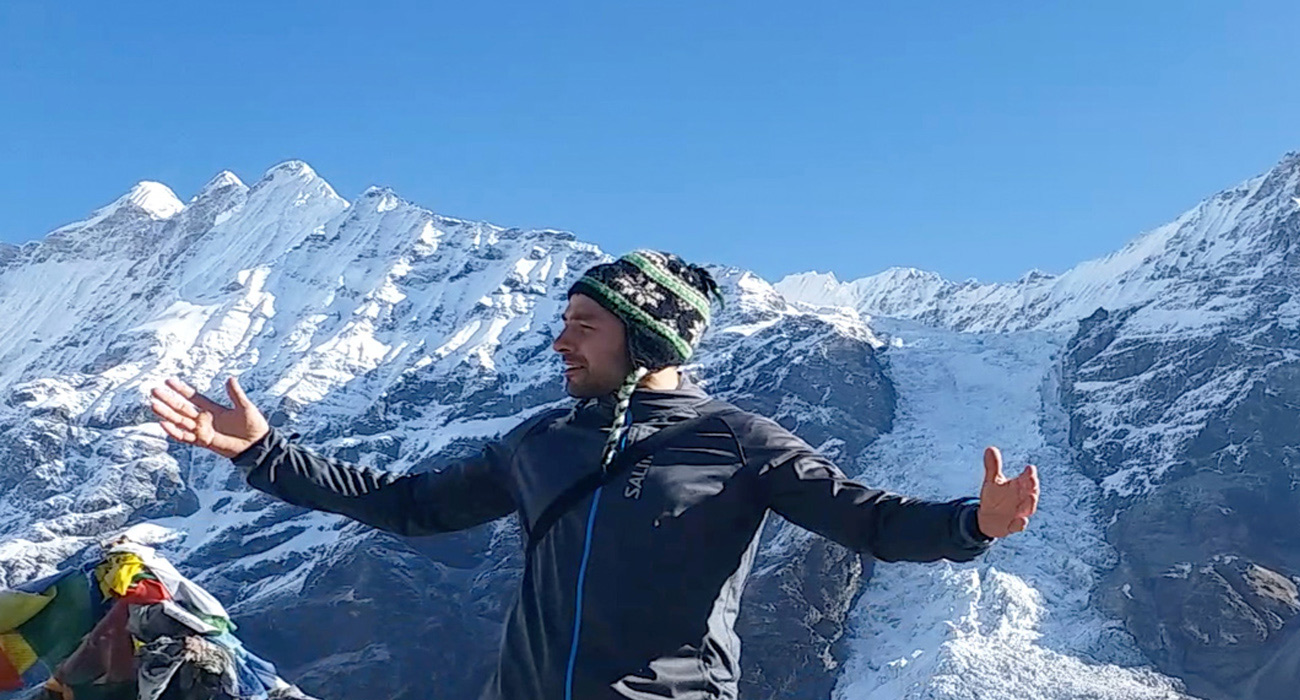
"How far will I actually be walking?" is one of the first questions most people ask before booking a Himalayan trek, and the answer is not always easy to find. Trail distance affects your pace, your daily schedule and how much fitness you need going in. On the Langtang Valley Trek, the good news is that the distances are moderate and the days are shorter than on many other Himalayan routes, which is part of why it suits first-time trekkers so well.
Table of Contents
This guide breaks down the total distance of the Langtang Valley Trek, the day-by-day walking distances, altitude gain, walking hours and the factors that change how far you actually cover each day. If you want to see the full itinerary, packages and departure dates alongside this information, our Langtang Valley Trek page has everything.
Langtang Valley Trek Distance at a Glance
| Detail | Information |
|---|---|
| Total trekking distance | Approximately 65–77 km (round trip, on-foot sections) |
| Trek duration | 9 days (Kathmandu to Kathmandu), 7 days of actual walking |
| Starting point | Syabrubesi (1,470 m) |
| Turnaround point | Kyanjin Gompa (3,749 m) |
| Highest point reached | Tserko Ri, 5,033 m (optional side hike) |
| Daily walking distance | 7–19 km, depending on the day |
| Daily walking time | 3–7 hours |
| Road distance, Kathmandu to Syabrubesi | Approximately 125 km (6–7 hours by vehicle) |
Note: total distance figures vary between operators depending on exactly which trails and side trips are counted. Treat 65–77 km as a reasonable range for the standard route.
Why Distance Matters More Than You Think
Two treks with the same total kilometers can feel completely different depending on how the distance is spread out. On Langtang, the itinerary is built so that no single day is extreme: the longest walking day covers around 19 km, but it happens on the descent, when you are already acclimatized and moving downhill on a familiar trail. The steepest altitude gain, by contrast, comes on a shorter 14 km day early in the trek, when your body is still adjusting.
Understanding the distance and elevation profile together, not just the total kilometers, helps you judge how demanding your specific itinerary will actually feel.
Total Distance of the Langtang Valley Trek
The on-foot portion of the standard 9-day itinerary covers roughly 65 to 77 km round trip, starting and ending at Syabrubesi. This does not include the road journey between Kathmandu and Syabrubesi, which is a separate 125 km drive each way.
Put another way:
- Trekking distance: ~65–77 km (Syabrubesi to Kyanjin Gompa and back, including the Tserko Ri or Kyanjin Ri side hike)
- Road distance: ~250 km round trip (Kathmandu–Syabrubesi–Kathmandu)
- Total journey, door to door: roughly 315–325 km when you combine road and trail
For comparison, this is considerably shorter than the Everest Base Camp Trek (around 130 km round trip on foot) or the Annapurna Circuit (150 km or more), which is one reason Langtang suits trekkers with limited time or those looking for a shorter first Himalayan trek.
Day-by-Day Distance Breakdown
Below is the distance, elevation and approximate walking time for each day of the standard itinerary.
| Day | Route | Distance | Elevation | Walking Time |
|---|---|---|---|---|
| 1 | Arrival in Kathmandu | – | 1,400 m | – |
| 2 | Drive: Kathmandu to Syabrubesi | ~125 km (road) | 1,470 m | 6–7 hrs (drive) |
| 3 | Syabrubesi to Lama Hotel | ~11 km | 2,470 m | 5–6 hrs |
| 4 | Lama Hotel to Langtang Village | ~14 km | 3,307 m | 5–6 hrs |
| 5 | Langtang Village to Kyanjin Gompa | ~7 km | 3,749 m | 3–4 hrs |
| 6 | Acclimatization hike (Tserko Ri or Kyanjin Ri) | ~10–15 km round trip | up to 5,033 m | 5–6 hrs |
| 7 | Kyanjin Gompa to Lama Hotel | ~19 km | 2,470 m | 5–6 hrs |
| 8 | Lama Hotel to Syabrubesi | ~11 km | 1,470 m | 5–6 hrs |
| 9 | Drive: Syabrubesi to Kathmandu | ~125 km (road) | 1,400 m | 6–7 hrs (drive) |
Total on-foot distance: approximately 72–82 km across Days 3, 4, 5, 6, 7 and 8, depending on which acclimatization hike you choose and how the operator measures the trail.
Why Day 7 Is the Longest Walking Day
It may seem odd that the longest single walking day (about 19 km) comes on the way down rather than the way up. This is because Day 7 combines two shorter uphill segments from the outbound journey (Langtang Village to Lama Hotel) into a single, mostly downhill day. Downhill walking covers ground faster than uphill walking, and by this point you are acclimatized, so the extra distance is easier to manage than it looks on paper.
Distance vs. Elevation Gain: What Actually Makes a Day Hard
Distance alone does not tell the full story. A short day with a steep climb can feel harder than a long day on flat terrain. Here is how the two factors compare across the trek:
- Day 3 (Syabrubesi to Lama Hotel): Moderate distance (11 km), moderate gain (about 1,000 m). A steady, forested climb.
- Day 4 (Lama Hotel to Langtang Village): Moderate distance (14 km), the steepest single-day elevation gain of the trek at roughly 1,000 m. This is widely considered the toughest day on the route.
- Day 5 (Langtang Village to Kyanjin Gompa): Short distance (7 km), moderate gain (about 440 m). A gentle day that helps you acclimatize before the high-altitude hike.
- Day 6 (Acclimatization hike): Variable distance depending on Tserko Ri or Kyanjin Ri, with the largest single-day altitude gain if you attempt Tserko Ri (about 1,280 m above Kyanjin Gompa).
- Days 7–8 (Descent to Syabrubesi): Longer distances (19 km and 11 km), but almost entirely downhill, so they are generally faster and less physically taxing than the climbs, though harder on the knees.
Daily Walking Hours vs. Distance
Walking hours are often a more useful measure than raw kilometers, since trail conditions, altitude and terrain all affect your pace more than distance alone.
| Day | Distance | Typical Pace |
|---|---|---|
| Syabrubesi to Lama Hotel | ~11 km | Roughly 2 km/hour, forested and uneven trail |
| Lama Hotel to Langtang Village | ~14 km | Roughly 2.3–2.8 km/hour, includes the steepest climb |
| Langtang Village to Kyanjin Gompa | ~7 km | Roughly 1.75–2.3 km/hour, high-altitude pace slows naturally |
| Kyanjin Gompa to Lama Hotel | ~19 km | Roughly 3.2–3.8 km/hour, mostly downhill |
| Lama Hotel to Syabrubesi | ~11 km | Roughly 1.8–2.2 km/hour, gentle descent |
As you gain altitude, your pace naturally slows, even on relatively flat or downhill terrain, because there is less oxygen available. This is completely normal and is one reason guides recommend a slow, steady pace rather than judging yourself against lowland walking speeds.
Factors That Affect Your Actual Distance and Pace
- Fitness level. A fit, regular hiker may complete each day's distance closer to the faster end of the time range; a first-time trekker may take longer, and that is fine.
- Altitude. Above 3,000 m, your pace slows regardless of fitness, since your body needs more rest breaks and moves less efficiently with less oxygen.
- Trail conditions. Rain, snow or ice can slow any day significantly, particularly on the steep sections between Lama Hotel and Langtang Village.
- Group size and pace. Trekking with a group means moving at the pace of the slowest member, which is often safer and more sustainable than rushing.
- Rest stops and photo breaks. Built-in tea breaks, lunch stops and photo opportunities extend the "walking time" beyond pure trail distance.
- Porter and guide pace. If you are trekking with a guide, they will set a sustainable pace, often slower than you might choose alone, precisely to protect your acclimatization.
How the Distance Compares to Other Treks
| Trek | Approx. Trekking Distance | Duration | Max Altitude |
|---|---|---|---|
| Langtang Valley Trek | 65–82 km | 9 days | 5,033 m |
| Everest Base Camp Trek | ~130 km | 12–14 days | 5,364 m |
| Annapurna Circuit Trek | 150+ km | 11–16 days | 5,416 m |
| Annapurna Base Camp Trek | ~110 km | 10–12 days | 4,130 m |
Langtang covers significantly less ground than Everest Base Camp or the Annapurna Circuit, and reaches its highest point only on an optional side hike rather than on the main trekking route. This makes it a realistic option for trekkers with less time or those building up to longer, more demanding treks.
Tips for Managing the Distance Comfortably
- Don't chase a pace. The daily distances are designed to be walked over 3–7 hours with breaks. Rushing does not help your acclimatization and increases the risk of altitude sickness.
- Use trekking poles on the descent days. Days 7 and 8 cover the most ground and are almost entirely downhill, which is harder on the knees than it is on the lungs.
- Treat Day 4 with respect. It is not the longest day by distance, but it has the steepest elevation gain, so pace yourself early and take regular water breaks.
- Use the acclimatization day wisely. Whether you choose Tserko Ri or Kyanjin Ri on Day 6, going slowly matters more than covering the full distance if you are feeling the altitude.
- Break in your boots before you go. With 65–82 km of trail underfoot, ill-fitting boots will cause problems well before the trek ends.
- Build in a buffer day. Weather, illness or simply wanting more time at Kyanjin Gompa can extend your schedule, so a spare day is a sensible addition to a tight itinerary.
Langtang Valley Trek Distance: FAQs
1. What is the total distance of the Langtang Valley Trek?
The on-foot trekking distance is approximately 65 to 82 km round trip, covering the route from Syabrubesi to Kyanjin Gompa and back, including the acclimatization hike to Tserko Ri or Kyanjin Ri. This figure does not include the road journey between Kathmandu and Syabrubesi, which adds roughly 250 km round trip by vehicle. If you combine the road and trail sections, the full door-to-door journey covers somewhere in the range of 315-325 km. The exact figure varies slightly between operators depending on which side trails and detours are counted, so treat this as a reliable range rather than a single fixed number.
2. What is the longest walking day on the trek?
Day 7, from Kyanjin Gompa back down to Lama Hotel, is the longest single walking day at around 19 km. This can seem surprising, since it happens on the return journey rather than the way up. The reason is that this day combines two shorter uphill segments from the outbound route (Langtang Village to Lama Hotel) into one longer, mostly downhill stretch. Downhill walking covers ground faster than climbing, and by Day 7 you are also fully acclimatized, so the extra distance is generally more manageable than the number alone suggests. It typically takes 5-6 hours, similar to the shorter uphill days earlier in the trek.
3. Which day has the steepest elevation gain?
Day 4, from Lama Hotel to Langtang Village, has the steepest single-day elevation gain of the entire trek, at roughly 1,000 meters over about 14 km. This is widely considered the toughest day on the route, not because of the distance, but because of how much altitude you gain in one push. The trail climbs steadily out of the forest, and Langtang Lirung comes into view as the valley opens up. Pace yourself early in the day, take regular breaks and drink plenty of water, since this is also the day altitude effects can first start to be noticeable for some trekkers.
4. How many hours do I walk each day?
Daily walking time ranges from 3 to 7 hours, depending on the day's distance, elevation gain and altitude. The shortest day, Langtang Village to Kyanjin Gompa, takes about 3-4 hours over 7 km. The longest days, both on the outbound climb and the return descent, take 5-6 hours. The optional acclimatization hike on Day 6 can take 5-6 hours round trip if you attempt Tserko Ri, or less if you choose the gentler Kyanjin Ri option. Walking time is generally a more useful planning figure than raw distance, since altitude and terrain affect your pace more than kilometers alone.
5. Does walking pace change as you gain altitude?
Yes, significantly. At lower elevations near Syabrubesi, trekkers typically cover 2 to 2.3 km per hour on forested, uneven trail. By the time you reach Kyanjin Gompa above 3,700 m, pace naturally slows to roughly 1.75 to 2.3 km per hour, even on relatively gentle terrain, because there is less oxygen available at altitude. This slowdown happens to everyone regardless of fitness level, so it is not a sign of poor conditioning. Guides deliberately set a slower pace at altitude to protect acclimatization, and pushing to maintain a lowland pace at height increases the risk of altitude sickness.
6. How does the Langtang distance compare to Everest Base Camp or Annapurna Circuit?
Langtang is considerably shorter than both. The Langtang Valley Trek covers roughly 65-82 km over 9 days, while the Everest Base Camp Trek covers about 130 km over 12-14 days, and the Annapurna Circuit covers 150 km or more over 11-16 days. Langtang also reaches its highest point, Tserko Ri at 5,033 m, only via an optional side hike rather than as part of the core route, whereas EBC and the Annapurna Circuit both require crossing their highest points as the primary trail. This makes Langtang a realistic choice for trekkers with limited time, or a good stepping-stone trek before attempting a longer route.
7. Is the Langtang distance suitable for first-time trekkers?
Yes. The daily distances on Langtang, typically 7-19 km, are spread out with manageable elevation gains and a dedicated acclimatization day at Kyanjin Gompa. No single day is extreme in either distance or altitude gain, which is a deliberate design feature that makes this route more forgiving than treks like Everest Base Camp or the Annapurna Circuit. Reasonably fit beginners with some hiking experience generally handle the distances well, provided they walk at a steady pace and don't rush the ascent. You can see the full itinerary and packages for more detail.
8. What factors can change how far I actually walk in a day?
Several things affect your real distance and pace beyond the trail length itself:
- Fitness level — a regular hiker moves faster than a first-time trekker
- Altitude — pace slows above 3,000 m regardless of fitness
- Trail conditions — rain, snow or ice can slow any day, especially the steep Lama Hotel to Langtang Village stretch
- Group pace — trekking with others means moving at the slowest member's speed, which is often safer
- Rest stops — tea breaks, lunch stops and photo opportunities extend the day beyond pure walking time
- Guide-set pace — guides often walk slower than trekkers might choose alone, specifically to protect acclimatization
9. Does the total distance include the drive from Kathmandu to Syabrubesi?
No. The 65-82 km figure refers only to the on-foot trekking sections, from Syabrubesi to Kyanjin Gompa and back. The road journey between Kathmandu and Syabrubesi is separate and covers approximately 125 km each way, taking 6-7 hours by private jeep or public bus. This road distance is not counted in the trekking distance total, since it's covered by vehicle on Day 2 and Day 9 of the standard 9-day itinerary, not on foot.
10. How should I pace myself given the distance and terrain?
The key principle is not to chase a fast pace, since the daily distances are designed to be covered over several hours with regular breaks, and rushing increases the risk of altitude sickness rather than saving meaningful time. Practical tips include:
- Use trekking poles on the descent days (7 and 8), since these cover the most distance and are hardest on the knees, not the lungs
- Treat Day 4 with extra respect, since it has the steepest elevation gain even though it isn't the longest day by distance
- Go slowly on the Day 6 acclimatization hike, prioritizing how you feel over covering the full distance to Tserko Ri
- Break in your boots well before the trek, since 65-82 km of trail will expose any fit issues
- Build in a spare day if your schedule allows, in case weather or altitude symptoms require a slower pace than planned
Conclusion
The Langtang Valley Trek covers roughly 65 to 82 km on foot over seven walking days, spread across daily distances of 7 to 19 km. It is shorter than the Everest Base Camp Trek or Annapurna Circuit, with no single day that is extreme in either distance or elevation gain, which is exactly why it works well as a first major Himalayan trek or a shorter alternative for experienced trekkers with limited time.
To see the complete day-by-day itinerary, current pricing and departure dates, visit the Langtang Valley Trek page, or reach out to the team with any questions about pace, fitness or scheduling.
Recent From Blog

19th Apr, 2019


23rd Dec, 2018

11th Jan, 2024

14th Jan, 2024

29th Jan, 2025

11th Feb, 2025

18th Feb, 2025

25th Feb, 2025

5th Apr, 2025
23rd Dec, 2025
9th May, 2026
12th Jul, 2026

13th Aug, 2026
13th Aug, 2026
13th Aug, 2026

16th Aug, 2026
20th Aug, 2026


11th Sep, 2026