
Lobuche East Peak Climbing: Conquering 6,119m in the Heart of the Everest Region
19th Nov, 2026
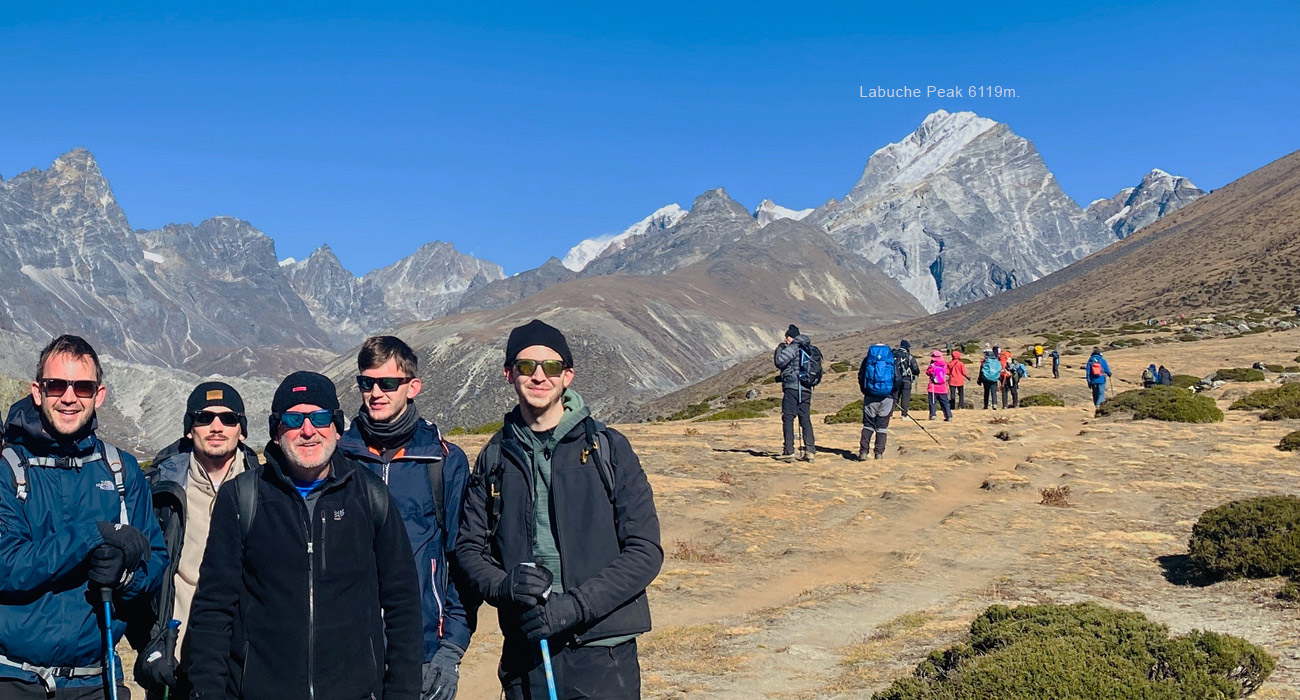
Lobuche East Peak Climbing is one of the most exciting high-altitude mountaineering adventures in Nepal, offering an unforgettable opportunity to reach a spectacular 6,119-meter Himalayan summit in the heart of the Everest region. Located near the famous Everest Base Camp trekking route, Lobuche East combines beautiful Himalayan landscapes, challenging snow and ice climbing, rocky mountain terrain and breathtaking views of some of the world's highest peaks. The journey takes climbers through traditional Sherpa villages, beautiful alpine valleys, glacial landscapes and iconic destinations such as Namche Bazaar, Dingboche, Everest Base Camp and Kala Patthar, depending on the chosen itinerary. From preparing at Lobuche Base Camp and High Camp to ascending the technical summit route using crampons, ice axes and fixed ropes, every stage offers an exciting mountaineering experience. Whether you are an experienced trekker looking to achieve your first 6,000-meter summit or a developing mountaineer seeking a challenging Himalayan climbing adventure, Lobuche East Peak offers an extraordinary opportunity to explore the beauty and adventure of the Khumbu Himalayas.
Table of Contents
Why Is Lobuche East One of Nepal's Most Exciting 6,000m Peaks?
Lobuche East is one of Nepal's popular trekking peaks, attracting adventure enthusiasts and mountaineers who want to experience the challenge of climbing above 6,000 meters in the Everest region.
Standing at approximately 6,119 meters (20,075 feet), the mountain offers a combination of high-altitude trekking, rocky scrambling, snow and ice climbing, and exposed summit terrain.
Unlike a conventional Himalayan trekking route, Lobuche East requires climbers to develop and use basic mountaineering skills, including crampon techniques, ice axe handling, fixed-rope climbing and safe movement on steep mountain slopes.
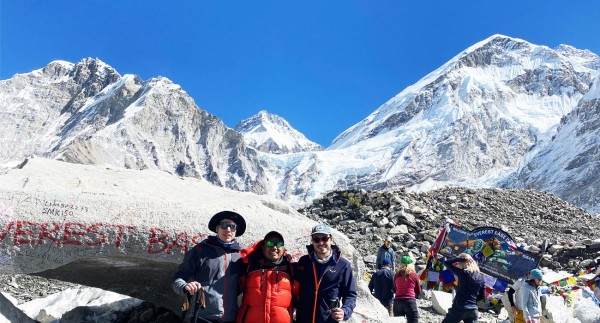
One of the major attractions of Lobuche East is its location near the Everest Base Camp trail. Climbers can combine the expedition with an unforgettable journey through the Khumbu region, visiting famous destinations such as Namche Bazaar, Tengboche, Dingboche and Everest Base Camp.
Some of the main reasons to choose Lobuche East include:
-
An opportunity to climb a 6,000-meter Himalayan peak.
-
Spectacular views of Mount Everest and surrounding Himalayan mountains.
-
A challenging combination of rock, snow and ice climbing.
-
An opportunity to experience high-altitude mountaineering.
-
Beautiful landscapes of the Khumbu Valley and surrounding glaciers.
-
The possibility of combining Everest Base Camp and Kala Patthar with a climbing expedition.
-
An unforgettable summit experience in the heart of the Everest region.
For climbers looking for more than a traditional trekking adventure, Lobuche East offers an excellent opportunity to experience the excitement of Himalayan mountaineering.
Discover the Location and Geography of Lobuche East Peak
Lobuche East is located in the Khumbu region of northeastern Nepal, within the Everest region of the Himalayas. The mountain rises above Lobuche village, close to the famous Everest Base Camp trekking route.
The region is part of the spectacular Sagarmatha National Park, a UNESCO World Heritage Site known for its dramatic Himalayan landscapes, glaciers, high-altitude valleys and traditional Sherpa settlements.
Lobuche village, situated at approximately 4,940 meters, is one of the important stopping points for trekkers travelling towards Everest Base Camp. From this area, the climbing route branches away from the main trekking trail towards Lobuche Base Camp and the mountain's higher slopes.
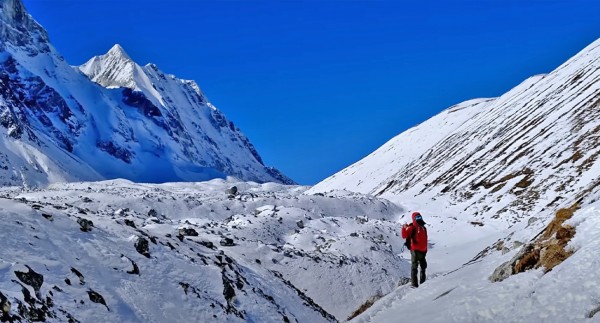
The surrounding geography features rocky ridges, glacial valleys, steep mountain slopes and snow-covered peaks.
Important geographical attractions around Lobuche East include:
-
Khumbu Glacier: One of the major glaciers in the Everest region.
-
Lobuche Village: A traditional high-altitude settlement near the climbing route.
-
Pheriche: A popular acclimatization destination in the Khumbu Valley.
-
Dingboche: A beautiful Sherpa settlement surrounded by Himalayan mountains.
-
Kala Patthar: A famous viewpoint offering spectacular views of Mount Everest.
-
Everest Base Camp: The iconic destination for climbers and trekkers visiting the Everest region.
-
Nuptse and Pumori: Impressive Himalayan mountains visible from different locations along the route.
The geographical position of Lobuche East makes it an excellent climbing destination for adventurers interested in combining Himalayan trekking with technical mountaineering.
Lobuche East Summit: What Makes the 6,119m Climb Special?
Reaching the summit of Lobuche East is a remarkable achievement for mountaineers seeking their first or next 6,000-meter Himalayan peak.
At approximately 6,119 meters, the mountain provides a demanding climbing experience involving steep slopes, rocky sections, snow and ice terrain, and exposed mountain ridges.
The final climbing section requires concentration, physical endurance and confidence when using mountaineering equipment.
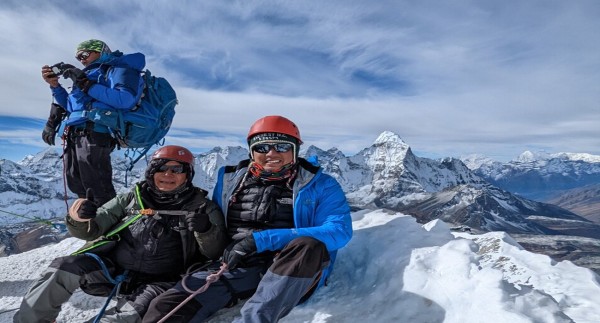
Depending on the route conditions and climbing team's progress, the summit approach may involve fixed ropes, crampons, ice axes and ascenders.
One important feature of Lobuche East is its exposed upper ridge. Climbers must carefully follow their climbing guide's instructions and maintain appropriate safety procedures throughout the ascent.
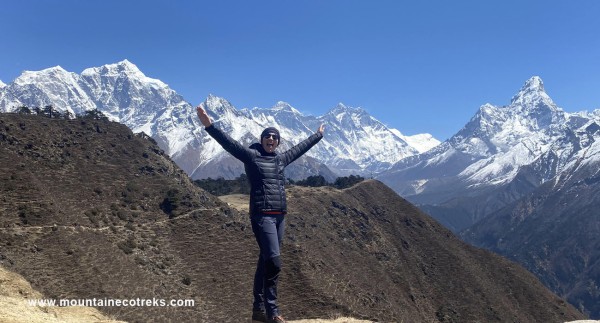
The summit experience is especially rewarding because of the surrounding Himalayan scenery. On a clear day, climbers can enjoy magnificent views of Everest, Lhotse, Nuptse, Ama Dablam and other impressive peaks of the Khumbu region.
The mountain offers much more than reaching a particular altitude. It is an opportunity to challenge yourself, develop mountaineering skills and experience the extraordinary environment of the high Himalayas.
Spectacular Himalayan Views from the Lobuche East Summit
One of the greatest rewards of Lobuche East Peak Climbing is the spectacular Himalayan panorama from the upper mountain and summit area.
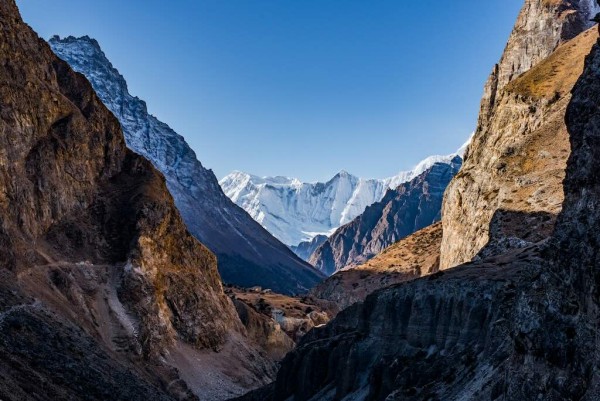
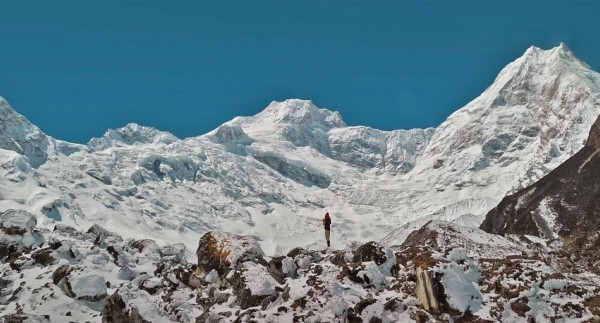
The surrounding landscape features towering snow-covered peaks, massive glaciers, rugged mountain ridges and deep Himalayan valleys.
Climbers can enjoy impressive views of some of the most famous mountains in Nepal, creating an unforgettable experience for mountain enthusiasts and photographers.
Depending on weather conditions and visibility, the surrounding panorama includes:
-
Mount Everest (8,848.86 m)
-
Lhotse (8,516 m)
-
Nuptse (7,861 m)
-
Ama Dablam (6,812 m)
-
Pumori (7,161 m)
-
Cho Oyu (8,188 m)
-
Makalu (8,485 m)
The summit area offers an extraordinary perspective of the Khumbu Himalayas, where enormous mountains rise above glaciers and deep valleys.
The early morning sunlight often creates beautiful colors across the surrounding snow-covered peaks, making summit day particularly memorable.
For photographers and mountaineers, reaching the summit of Lobuche East provides a wonderful opportunity to capture the beauty of Nepal's high Himalayas.
Everest, Lhotse, Nuptse and Ama Dablam: Mountains Seen from the Summit
The Everest region is home to some of the world's most impressive Himalayan mountains, and Lobuche East offers an exceptional opportunity to experience this spectacular mountain environment.
During the climb, several famous peaks can be seen from different sections of the trekking and climbing route.
Mount Everest (8,848.86 m)
Mount Everest, known as Sagarmatha in Nepali and Chomolungma in Tibetan, is the highest mountain in the world.
Its impressive presence dominates the Everest region and attracts climbers, trekkers and mountain enthusiasts from around the world.
Lhotse (8,516 m)
Lhotse is the fourth-highest mountain in the world and lies close to Mount Everest. Its impressive south face is one of the most famous and challenging mountain walls in the Himalayas.
Nuptse (7,861 m)
Nuptse is a spectacular Himalayan mountain located southwest of Mount Everest. Its dramatic ridges and snow-covered slopes contribute to the extraordinary scenery of the Khumbu region.
Ama Dablam (6,812 m)
Ama Dablam is one of Nepal's most recognizable mountains, famous for its distinctive pyramid-shaped summit and beautiful ridges.
It is particularly impressive when viewed from the trekking trails around Namche Bazaar, Tengboche and Dingboche.
Together, these mountains create an unforgettable Himalayan landscape that makes Lobuche East an attractive destination for mountaineers and mountain photographers.
Lobuche East Base Camp and High Camp: Preparing for the Summit
Lobuche East Base Camp and High Camp are important stages of the climbing expedition, providing opportunities to prepare for the final summit attempt.
After completing the approach trek through the Everest region, climbers travel towards Lobuche Base Camp, where they begin preparing for the technical climbing sections.
Lobuche East Base Camp
Lobuche Base Camp is generally established around 5,000 meters, although the exact location and elevation can vary according to the route, season and expedition arrangements.
The base camp provides an important place for climbers to rest, organize equipment, receive climbing instructions and prepare for higher elevations.
Activities may include:
-
Checking mountaineering equipment.
-
Reviewing climbing techniques.
-
Practising crampon and ice axe movements.
-
Learning fixed-rope procedures.
-
Checking weather forecasts.
-
Preparing food and supplies for higher camps.
Lobuche East High Camp
High Camp is generally established around 5,400–5,600 meters, depending on the selected climbing route and current mountain conditions.
Reaching High Camp involves ascending rocky and steep mountain terrain.
The camp provides a higher starting point for the summit attempt, reducing the distance climbers need to cover on summit day.
At High Camp, climbers prepare their equipment, rest and follow their climbing guide's instructions before beginning the final ascent.
Proper hydration, nutrition, rest and acclimatization are essential before attempting the summit.
Understanding the Technical Climbing Route of Lobuche East
The standard climbing route to Lobuche East generally follows the southeast ridge, involving a combination of rocky terrain, snow slopes, ice sections and exposed mountain ridges.
Unlike ordinary trekking trails, the climbing route requires technical mountaineering equipment and appropriate climbing skills.
Approach to the Mountain
The expedition generally follows the Everest Base Camp trekking route through Lukla, Phakding, Namche Bazaar, Tengboche, Dingboche and Lobuche.
After reaching the Lobuche area, climbers continue towards the designated Base Camp.
Base Camp to High Camp
The route from Base Camp to High Camp involves ascending rocky slopes, loose stones and steep mountain terrain.
Climbers must maintain careful footing and follow their guide's instructions, particularly when carrying climbing equipment.
High Camp to the Snow and Ice Section
The upper route involves rocky slabs and mixed terrain before reaching the snow and ice sections.
Depending on conditions, fixed ropes may be used on steeper sections to provide additional protection.
Fixed-Rope Climbing and Summit Ridge
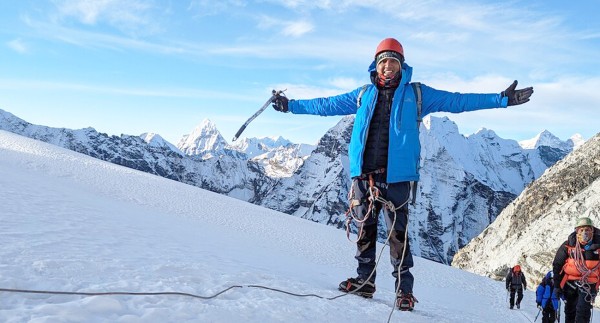
The higher climbing section involves steep snow and ice slopes where climbers use crampons, ice axes, harnesses and ascenders on fixed ropes.
The final summit ridge is exposed and requires careful movement, appropriate rope management and experienced climbing support.
The exact route, rope placement and climbing conditions can change from season to season.
Climbers should always follow the instructions of their experienced climbing guides and avoid attempting exposed sections independently.
Crampons, Ice Axe, Fixed Ropes and Jumar: Essential Climbing Skills
Lobuche East requires more than physical fitness. Climbers must understand how to use technical mountaineering equipment safely, particularly on steep snow and ice slopes.
Before attempting the summit, climbers should receive practical instruction and become familiar with the essential equipment.
Crampons
Crampons are metal devices attached to mountaineering boots to provide grip on snow and ice.
They are particularly important when ascending steep icy slopes and moving across hard snow.
Climbers should practise walking with crampons and learn appropriate foot placement before the summit attempt.
Ice Axe
An ice axe is an essential mountaineering tool used for balance, support and appropriate self-arrest techniques.
Climbers should understand how to carry and use an ice axe safely on snow and ice terrain.
Fixed Ropes
Fixed ropes are installed on selected steep sections to assist climbers with safe movement.
They provide protection against falls when used with the appropriate climbing equipment and techniques.
Jumar or Ascender
A Jumar is a mechanical climbing device used to move upward along a fixed rope.
It is attached to the climber's harness and allows controlled upward movement when used correctly.
Climbing Harness and Carabiners
A climbing harness connects the climber to the rope system. Locking carabiners and suitable safety equipment help maintain secure connections.
Mountaineering Training
Before the summit attempt, climbers should practise:
-
Walking with crampons.
-
Using an ice axe.
-
Ascending fixed ropes with a Jumar.
-
Managing climbing harnesses and carabiners.
-
Moving safely on steep snow and ice.
-
Following rope-management procedures.
-
Descending using appropriate technical systems.
Technical instruction should be provided by qualified climbing guides. Equipment alone does not make a climber safe; proper training and correct use are essential.
How Difficult Is Lobuche East Peak Climbing?
Lobuche East Peak Climbing is generally considered a challenging high-altitude mountaineering adventure.
Although it is categorized as a trekking peak, the climbing route involves technical sections that require mountaineering skills, physical fitness and proper acclimatization.
The main challenges include:
High Altitude: Reaching 6,119 meters exposes climbers to significantly reduced oxygen availability, making physical activity more demanding.
Technical Terrain: The route includes rocky sections, steep snow slopes, ice and exposed ridges.
Cold Weather: Temperatures can become extremely low during the early morning summit attempt.
Long Summit Day: Climbers must maintain energy and concentration during a demanding ascent and descent.
Physical Endurance: The approach trek and climbing sections require several days of sustained physical activity.
Mental Preparation: Exposure, changing weather and challenging mountain conditions require patience, confidence and good decision-making.
Previous high-altitude trekking and basic mountaineering experience are highly beneficial.
Lobuche East should not be treated as an ordinary trekking destination. Climbers must understand the risks and prepare properly before joining an expedition.
Physical Fitness and Training Required for Lobuche East
Good physical fitness is one of the most important requirements for a successful Lobuche East climbing expedition.
Climbers need endurance, leg strength, cardiovascular fitness and the ability to walk for several hours while carrying a backpack.
Preparation should ideally begin at least 8–12 weeks before departure, with a longer training period recommended for people who are new to mountaineering.
Cardiovascular Training
Activities such as hiking, running, cycling, swimming and stair climbing help improve cardiovascular endurance.
Gradually increase exercise duration and intensity to prepare for long mountain days.
Strength Training
Focus on developing strength in the legs, core and upper body.
Useful exercises include:
-
Squats.
-
Lunges.
-
Step-ups.
-
Planks.
-
Calf raises.
-
Controlled stair climbing.
Hiking Practice
Regular hiking is one of the best ways to prepare for the expedition.
Practise walking on uneven trails and gradually increase the distance and elevation gain.
Carrying a backpack during training helps prepare your body for trekking and climbing equipment.
Balance and Flexibility
Balance and flexibility exercises help improve stability on rocky and uneven mountain terrain.
Mental Preparation
High-altitude climbing also requires patience, discipline and the ability to manage challenging situations.
Climbers should develop realistic expectations and understand that summit success depends on weather, health, route conditions and the decisions of the climbing team.
A medical consultation before departure is recommended, particularly for anyone with existing health concerns.
Acclimatization and Altitude Preparation Above 5,000m
Acclimatization is one of the most important aspects of Lobuche East Peak Climbing.
As climbers gain altitude, the amount of available oxygen decreases, making it increasingly difficult for the body to function normally.
The expedition reaches elevations above 5,000 meters and eventually approximately 6,119 meters, where altitude-related illness can become a serious concern.
Why Is Acclimatization Important?
Proper acclimatization allows the body time to adjust to the reduced oxygen availability at higher elevations.
A gradual ascent helps reduce the risk of acute mountain sickness (AMS) and other serious altitude-related conditions.
Important Acclimatization Practices
-
Follow a carefully planned climbing itinerary.
-
Ascend gradually and include appropriate acclimatization days.
-
Avoid rushing to higher elevations.
-
Maintain adequate hydration and nutrition.
-
Get sufficient rest.
-
Inform your guide immediately about any symptoms.
-
Never continue ascending when experiencing worsening altitude sickness symptoms.
Common Symptoms of Altitude Sickness
Some common symptoms include:
-
Headache.
-
Nausea.
-
Dizziness.
-
Unusual tiredness.
-
Loss of appetite.
-
Difficulty sleeping.
Severe symptoms such as confusion, difficulty walking straight, breathlessness at rest or a persistent cough require urgent medical attention and immediate descent.
Climbers should never ignore serious altitude symptoms or rely on medication to continue ascending.
A qualified climbing guide, suitable acclimatization schedule and appropriate emergency arrangements are essential for high-altitude mountaineering.
Summit Day: What to Expect During the Lobuche East Climb
Summit day is the most exciting and physically demanding part of the Lobuche East expedition.
After preparing at High Camp, climbers generally begin their summit attempt around midnight or during the early hours of the morning. The exact departure time depends on weather forecasts, snow conditions and the climbing team's arrangements.
An early start provides an opportunity to reach higher sections before changing daytime weather and stronger winds.
1. Early Morning Departure
Climbers wake up, prepare warm clothing, check their equipment and have a light meal or hot drink before leaving High Camp.
Headlamps are essential because much of the initial ascent takes place in darkness.
2. Rocky Ascent
The initial section involves climbing rocky slopes and mixed terrain.
Climbers must maintain a steady pace and follow their guide's instructions while moving across steep sections.
3. Crampon Point and Snow Section
After reaching the snow and ice section, climbers put on their crampons and prepare their technical equipment.
The climbing team may use fixed ropes and appropriate rope systems on steeper terrain.
4. Fixed-Rope Climbing
The upper climbing section requires careful movement using an ascender, harness, crampons and ice axe.
The terrain becomes increasingly demanding as climbers approach the upper ridge.
5. Summit Ridge
The final ridge is exposed and requires concentration, appropriate safety procedures and experienced climbing support.
Depending on weather, snow conditions, available time and the team's ability, the climbing guide determines whether continuing to the true summit is safe.
6. Summit Achievement and Descent
Reaching the summit provides an unforgettable sense of achievement, with spectacular views of the surrounding Himalayan mountains.
After taking photographs and enjoying the scenery, climbers begin the descent.
Descending safely is just as important as reaching the summit. Fatigue, changing snow conditions and weather can make the return journey demanding.
The summit attempt may take approximately 8–12 hours or longer, depending on conditions, route and team progress.
A successful expedition is not measured only by reaching the summit. Returning safely to Base Camp is equally important.
Best Season for Lobuche East Peak Climbing
Choosing the right season is essential for a successful Lobuche East climbing expedition.
Spring and autumn are generally the most recommended seasons because they often provide more favorable weather conditions and better mountain visibility.
Spring Season (March to May)
Spring is one of the most popular seasons for climbing Lobuche East.
The weather generally becomes warmer, and the trekking trails offer beautiful mountain scenery.
Advantages include:
-
Generally favorable climbing conditions.
-
Beautiful Himalayan landscapes.
-
Increasing daylight hours.
-
Popular expedition season.
-
Opportunities to combine climbing with Everest Base Camp trekking.
April and May are particularly popular months for Himalayan mountaineering, although weather conditions can change quickly at high elevations.
Autumn Season (September to November)
Autumn is another excellent season for Lobuche East Peak Climbing.
Following the monsoon, the skies often become clearer, mountain visibility improves and the trekking trails offer impressive views.
October and November are especially popular for trekking and climbing in the Everest region.
Winter Season (December to February)
Winter climbing is possible for experienced and properly equipped mountaineers, but extremely cold temperatures, snowfall, strong winds and difficult snow conditions can make the expedition more challenging.
Monsoon Season (June to August)
The monsoon brings heavy rainfall, cloudy weather and possible flight and road disruptions in lower sections of the journey.
Although the upper mountain may experience different conditions, this is generally not the preferred season for a standard Lobuche East expedition.
Overall recommendation: Spring (March–May) and autumn (September–November) are generally the best seasons to plan a Lobuche East climbing adventure.
Combining Everest Base Camp Trek with Lobuche East Climbing
One of the biggest advantages of Lobuche East is its location close to the famous Everest Base Camp trekking route.
Climbers can combine an unforgettable Everest trekking experience with a challenging 6,119-meter mountain summit.
This combination provides an opportunity to explore the Khumbu region, experience Sherpa culture and gradually gain altitude before beginning the technical climbing section.
Major Destinations Along the Combined Route
Lukla: The popular mountain gateway to the Everest region.
Phakding: A beautiful riverside village along the Dudh Koshi Valley.
Namche Bazaar: The main Sherpa trading and cultural center of the Khumbu region.
Tengboche: Famous for its beautiful Buddhist monastery and spectacular mountain views.
Dingboche: An important acclimatization destination surrounded by impressive Himalayan peaks.
Lobuche: A high-altitude settlement close to the Lobuche East climbing route.
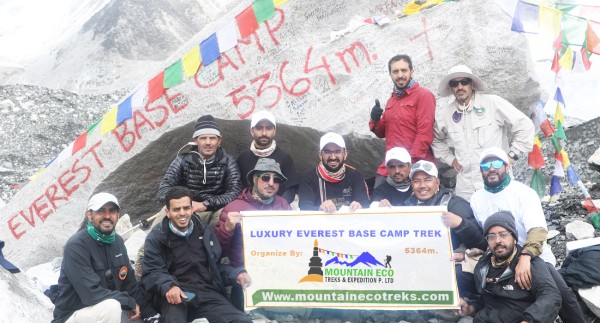
Everest Base Camp: The iconic destination located at approximately 5,364 meters.
Kala Patthar: A famous viewpoint at approximately 5,545 meters, offering spectacular views of Mount Everest.
Lobuche East Base Camp: The starting area for the technical climbing section.
Why Combine Everest Base Camp and Lobuche East?
Combining Everest Base Camp with Lobuche East provides several advantages:
-
Experience the famous Everest trekking route.
-
Visit Everest Base Camp and Kala Patthar.
-
Explore traditional Sherpa villages and monasteries.
-
Gain valuable high-altitude trekking experience.
-
Enjoy acclimatization opportunities before climbing.
-
Experience both Himalayan trekking and technical mountaineering.
-
Reach a 6,119-meter summit in the Everest region.
This combination is particularly attractive for trekkers who want to progress from high-altitude hiking to Himalayan mountaineering.
However, visiting Everest Base Camp does not automatically provide sufficient acclimatization or climbing preparation. A properly designed expedition itinerary remains essential.
15. Lobuche East vs Island Peak: Which Himalayan Summit Should You Choose?
Lobuche East and Island Peak (Imja Tse) are two popular 6,000-meter trekking peaks in Nepal's Everest region.
Both offer exciting Himalayan climbing experiences, spectacular mountain views and opportunities to develop mountaineering skills.
However, they differ in their climbing routes, technical features and overall experience.
Lobuche East Peak
Lobuche East stands at approximately 6,119 meters and is located near the main Everest Base Camp trekking route.
Its climbing route involves mixed rocky terrain, snow and ice slopes, fixed-rope climbing and an exposed summit ridge.
It is generally considered a more technical and exposed climbing experience than Island Peak, particularly along the upper ridge.
Island Peak (Imja Tse)
Island Peak stands at approximately 6,189 meters and is located in the Imja Valley, near Chhukung.
The climbing route involves glacier travel, crevasse crossings, a steep fixed-rope headwall and a summit ridge.
It is one of Nepal's most popular introductory Himalayan climbing peaks.
Lobuche East vs Island Peak Comparison
| Features | Lobuche East | Island Peak |
|---|---|---|
| Elevation | 6,119 m | Approximately 6,189 m |
| Location | Near Lobuche village | Near Chhukung |
| Region | Everest / Khumbu | Everest / Khumbu |
| Main Terrain | Rock, snow and ice | Glacier, snow and ice |
| Technical Sections | Mixed climbing and exposed ridge | Glacier crossings and steep headwall |
| Climbing Equipment | Crampons, ice axe, harness and ascender | Crampons, ice axe, harness and ascender |
| Climbing Character | More sustained mixed and exposed terrain | Glacier travel and concentrated steep climbing |
| EBC Combination | Conveniently located on the EBC route | Requires a side journey towards Chhukung |
Which Peak Is Better for You?
Choose Lobuche East if:
-
You want a challenging mixed rock and ice climbing experience.
-
You have previous high-altitude trekking or mountaineering experience.
-
You are interested in climbing a peak close to the Everest Base Camp route.
-
You want to challenge yourself on a more exposed summit ridge.
Choose Island Peak if:
-
You want to experience a classic Himalayan trekking peak.
-
You are interested in glacier travel and fixed-rope climbing.
-
You want to explore the beautiful Imja Valley and Chhukung region.
-
You are looking for a possible introduction to Himalayan technical climbing with suitable training and guidance.
Neither mountain should be considered an easy climb. Both require proper preparation, acclimatization, suitable equipment and experienced climbing support.
The best choice depends on your previous experience, physical fitness, technical ability and personal climbing objectives.
Essential Mountaineering Equipment for Lobuche East
Having suitable mountaineering equipment is essential for a safe and comfortable Lobuche East climbing expedition.
The equipment must be appropriate for high-altitude conditions, cold temperatures, snow and ice terrain and fixed-rope climbing.
Below is a general equipment checklist.
A. Technical Climbing Equipment
-
Mountaineering boots compatible with crampons.
-
Crampons.
-
Ice axe.
-
Climbing harness.
-
Locking carabiners.
-
Climbing helmet.
-
Jumar or ascender.
-
Suitable safety lanyards.
-
Prusik or other appropriate backup equipment.
-
Headlamp with spare batteries.
Technical equipment requirements should be confirmed with your climbing operator and guide.
B. Clothing and Personal Gear
-
Thermal base layers.
-
Insulated mid-layers.
-
Down jacket suitable for high-altitude conditions.
-
Waterproof and windproof jacket.
-
Waterproof trekking trousers.
-
Insulated mountaineering trousers.
-
Warm gloves and mittens.
-
Thermal socks.
-
Balaclava or warm hat.
-
Neck warmer.
-
UV-protection sunglasses.
-
Mountaineering goggles.
C. Trekking Equipment
-
Comfortable trekking boots.
-
Trekking poles.
-
Daypack.
-
Duffel bag.
-
Sleeping bag suitable for expedition temperatures.
-
Water bottles or insulated bottles.
-
Water purification tablets or filter.
-
Personal toiletries.
-
Sunscreen and lip balm.
D. Health and Safety Equipment
-
Personal first-aid kit.
-
Personal medications.
-
High-altitude emergency supplies arranged by the expedition team.
-
Personal hygiene items.
-
Travel insurance documents.
-
Passport and required permits.
E. Electronic and Personal Accessories
-
Mobile phone.
-
Camera.
-
Power bank.
-
Charging cables.
-
Headlamp batteries.
-
Waterproof bags.
Some expedition operators provide or arrange selected climbing equipment, tents and group safety equipment. Confirm exactly what is included before departure to avoid unnecessary purchases or missing essential gear.
Safety, Weather Conditions and Experienced Climbing Sherpa Support
Safety is one of the most important considerations during Lobuche East Peak Climbing.
The mountain involves high altitude, steep terrain, snow and ice conditions, changing weather and exposed climbing sections.
Even experienced mountaineers must carefully evaluate conditions before attempting the summit.
Weather and Mountain Conditions
Weather in the Everest region can change quickly, particularly at elevations above 5,000 meters.
Strong winds, snowfall, low temperatures and poor visibility can affect climbing conditions.
Before attempting the summit, the climbing team should review reliable weather forecasts and assess the mountain's current conditions.
Experienced Climbing Sherpa Support
An experienced climbing guide plays an important role throughout the expedition.
Professional climbing support helps with:
-
Route planning and navigation.
-
Acclimatization management.
-
Technical climbing instruction.
-
Equipment checks.
-
Fixed-rope procedures.
-
Weather and route assessments.
-
Summit timing and turnaround decisions.
-
Emergency response coordination.
Climbers should confirm that their guides have appropriate mountaineering qualifications and relevant experience on the mountain.
Travel Insurance and Emergency Planning
High-altitude mountaineering requires appropriate travel insurance that explicitly covers climbing above 6,000 meters and emergency helicopter evacuation where available.
Climbers should also confirm the expedition's emergency communication arrangements, evacuation procedures and medical support.
Important Safety Recommendations
-
Never climb independently without appropriate experience and equipment.
-
Follow your guide's instructions.
-
Maintain a suitable acclimatization schedule.
-
Drink sufficient fluids and maintain proper nutrition.
-
Avoid ascending when experiencing worsening altitude sickness symptoms.
-
Check weather forecasts before summit attempts.
-
Follow established turnaround times.
-
Prioritize safe descent over reaching the summit.
The summit is an achievement, but returning safely is the most important part of every successful Himalayan expedition.
Why Choose Lobuche East Peak Climbing?
Are you ready to experience the excitement of climbing a 6,119-meter Himalayan summit in the heart of the Everest region?
Lobuche East Peak Climbing with Mountain Eco Treks offers an exciting opportunity to combine the famous Everest trekking experience with technical Himalayan mountaineering.
From exploring traditional Sherpa villages and spectacular Himalayan valleys to preparing at Base Camp and attempting the summit, the journey provides a memorable adventure for climbers seeking a challenging mountain experience.
Nepal Trip Services aims to organize your expedition with professional planning, experienced climbing support and appropriate trekking and mountaineering arrangements.
What to Expect from Your Lobuche East Expedition
-
Organized trekking and climbing itinerary.
-
Experienced trekking and climbing guide support.
-
Assistance with required climbing permits and documentation.
-
Trekking and climbing logistics.
-
Accommodation during the trekking section.
-
Base Camp and High Camp arrangements according to the itinerary.
-
Meals and climbing support according to the package inclusions.
-
Technical climbing preparation and guidance.
-
Assistance with expedition equipment arrangements.
-
Support with travel planning and departure information.
Whether you are an experienced trekker planning your first 6,000-meter summit or a mountaineer seeking another Himalayan challenge, Mountain Eco Treks can help you plan your Lobuche East climbing adventure.
Contact the team to discuss your preferred travel dates, climbing experience, group size, itinerary and expedition requirements.
Explore Lobuche East Peak Climbing in Nepal and take your Himalayan adventure to the next level.
Conquer 6,119 meters, experience the breathtaking Everest region and create unforgettable memories in the heart of the Himalayas.
Recent From Blog

19th Apr, 2019


23rd Dec, 2018

11th Jan, 2024

14th Jan, 2024

29th Jan, 2025

11th Feb, 2025

18th Feb, 2025

25th Feb, 2025

5th Apr, 2025
23rd Dec, 2025
9th May, 2026
12th Jul, 2026

13th Aug, 2026
13th Aug, 2026
13th Aug, 2026

16th Aug, 2026
20th Aug, 2026


11th Sep, 2026
24th Sep, 2026
25th Sep, 2026
5th Oct, 2026
6th Oct, 2026
11th Oct, 2026
13th Oct, 2026