
12 Days Annapurna Circuit Trek: What to Know Before You Book
13th Aug, 2026

If you've searched for the "12 Days Annapurna Circuit Trek," you're probably short on holiday time but not on ambition. The full Annapurna Circuit traditionally takes 15 to 21 days to complete, and for a lot of working travellers, that's simply not realistic. The 12-day version uses road transport at both ends of the route to cut out the least scenic walking days, while keeping the section that actually matters: Manang, the Thorong La Pass, and Muktinath.
Table of Contents
This isn't a shortcut that skips the highlights. It's a route that skips the road-adjacent walking that road construction has already changed anyway. In this guide, I'll walk you through what the trek actually looks like day to day, who it suits, what it costs to prepare for, and the details that catch first-time trekkers off guard — from acclimatization to what "moderate to strenuous" really means at 5,000 metres.
What the Annapurna Circuit Trek Actually Involves
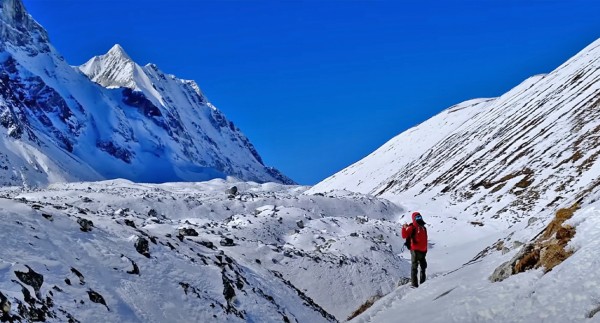
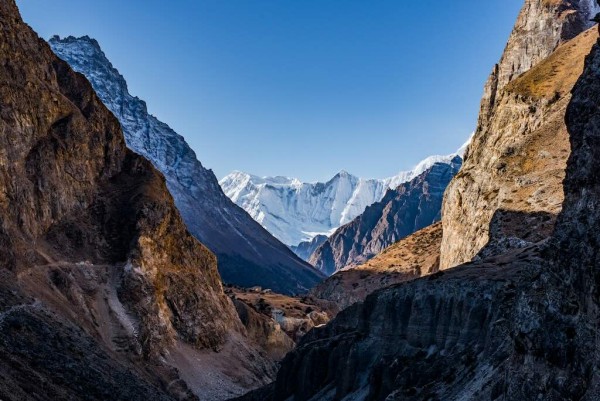
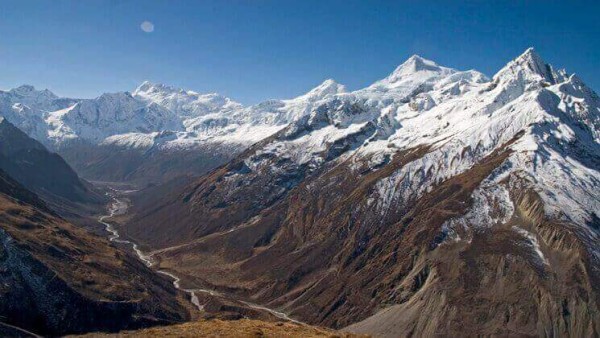
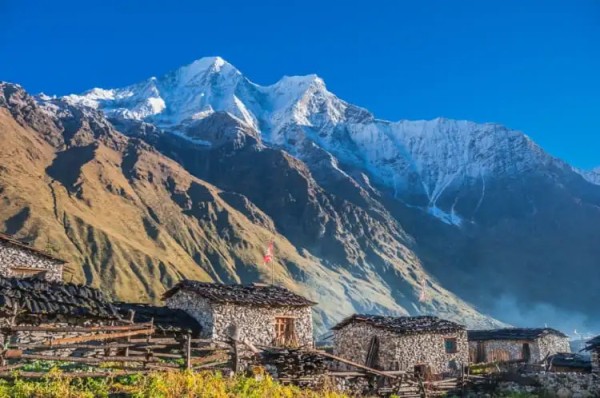
The Annapurna Circuit is a route around the Annapurna Massif, one of the most geographically varied treks in Nepal. In under two weeks you move from subtropical river valleys to high alpine desert, crossing through Gurung, Manangi, and Thakali communities along the way. The trail follows the Marshyangdi River upstream toward Manang, climbs over Thorong La Pass at 5,416 metres, then descends the dry Kali Gandaki valley on the western side toward Muktinath and Jomsom.
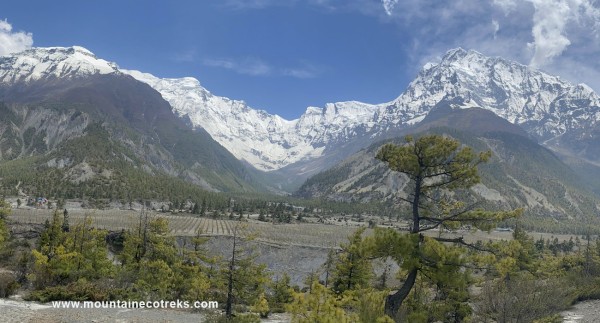
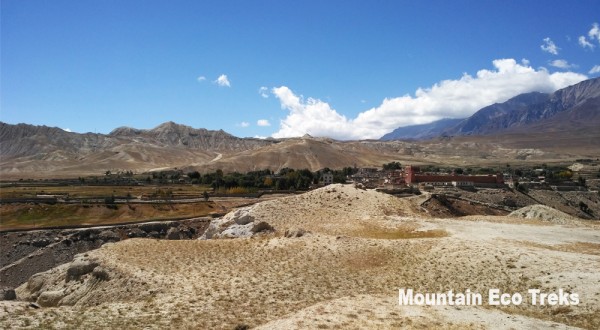
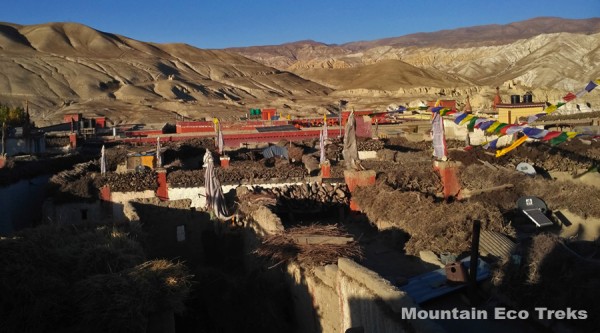
What sets it apart from single-valley treks like Everest Base Camp or the Annapurna Sanctuary is the sheer change in landscape. You pass through pine and rhododendron forest, terraced farmland, arid highland plateau that looks more like Tibet than Nepal, and back down through pilgrimage towns — all on one continuous trail. Few treks in the world pack in that much ecological and cultural range.
Who This Trek Suits
The 12-day itinerary tends to work well for:
- Trekkers with two weeks of holiday, including flights and buffer days
- Those who've done at least one multi-day hike before and know roughly how their body handles altitude
- Travellers who want the Thorong La Pass experience without committing three weeks to it
- People comfortable with 5 to 7 hours of walking most days, sometimes on rough jeep track
It's less suited to complete beginners with no hiking background, or to anyone who wants a slow, unhurried pace with multiple rest days built in. Compressing the circuit into 12 days means the itinerary is efficient rather than leisurely. If you have three weeks free and want a gentler pace with side trips to places like Tilicho Lake, the longer classic itinerary is worth considering instead.
Route and Itinerary Overview
Every operator's exact day-by-day plan varies slightly depending on road conditions, jeep access, and where the trekking actually starts, since ongoing road construction in the lower Marshyangdi valley changes each year. In general, a 12-day itinerary follows this shape:
- Kathmandu to the trailhead — a drive (often via Besisahar) to a village such as Chame, Koto, or Dharapani, using jeep transport to skip the lower valley road-walking sections
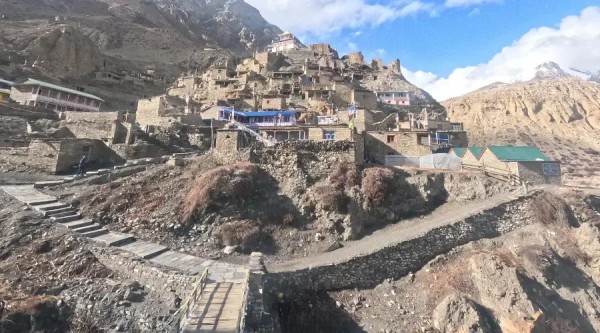
- Trekking through Pisang and up to Manang — this is where the landscape opens up and the big peaks come into view
- An acclimatization day in Manang (3,519m) — non-negotiable at this itinerary length, since you're climbing quickly
- The push toward High Camp or Thorong Phedi, the staging point below the pass
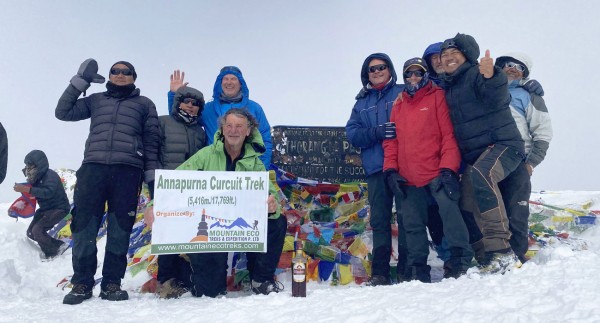
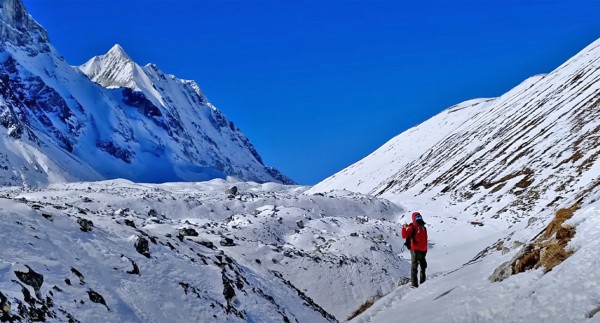
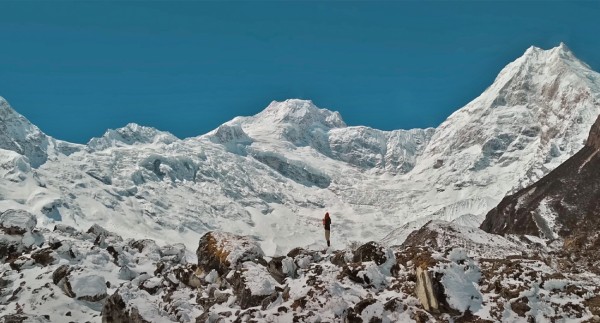
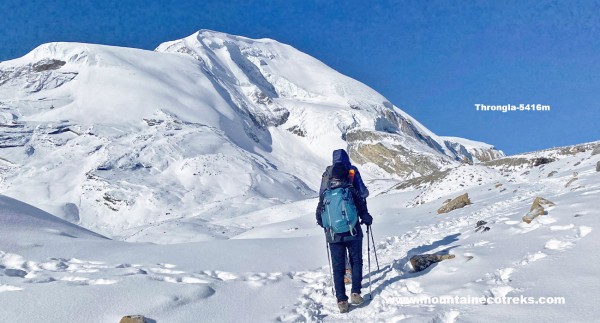
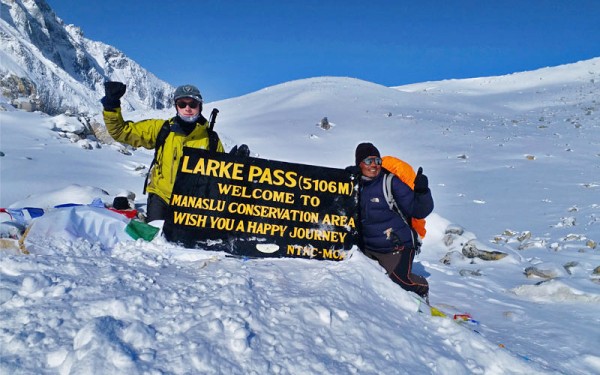
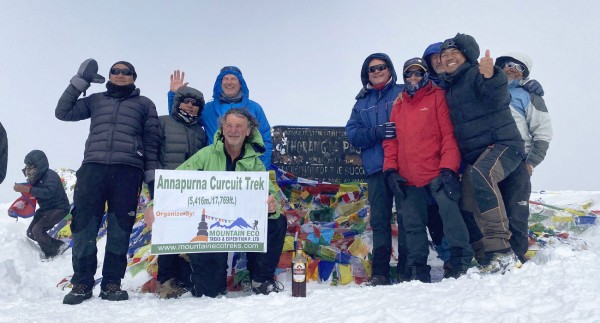
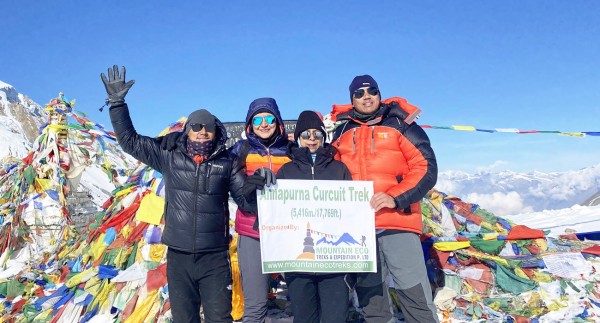
- Crossing Thorong La Pass (5,416m) and descending to Muktinath, the longest and hardest day of the trek
- Jomsom, then a flight or drive back toward Pokhara
Accommodation on the Trail
You'll stay in teahouses the entire way — locally run lodges that offer a private room (usually twin-share, sometimes with an extra bed) and a communal dining area heated by a wood or dung stove in the evening. Rooms are basic: a bed, a blanket, sometimes a small table. Below Manang, most teahouses now have attached bathrooms; higher up, shared facilities become more common and hot showers are usually paid for separately.
Don't expect luxury at altitude. Even on higher-comfort trekking packages, the terrain and remoteness limit what any teahouse can offer above 3,500 metres. Heating is usually limited to the dining hall, not your bedroom, so a warm sleeping bag matters more than the room itself.
Food Along the Way
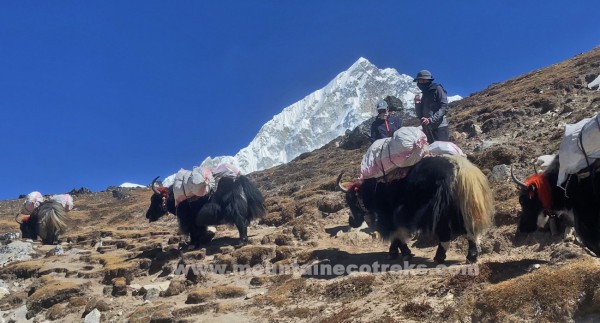
Teahouse menus are fairly standardised across the route — dal bhat (lentils, rice, and vegetables, often with unlimited refills), noodle and pasta dishes, momos, soups, and basic breakfast items like porridge, eggs, and Tibetan bread. Prices rise the higher you go, since everything is carried in by porter or mule. Dal bhat is the reliable choice for trekkers who want a substantial, low-risk meal — it's also what most local guides eat, for good reason.
Water should always be treated, either with a filter, purification tablets, or by buying boiled water from teahouses. Bottled water is available but becomes both expensive and environmentally wasteful the higher you climb.
Transportation
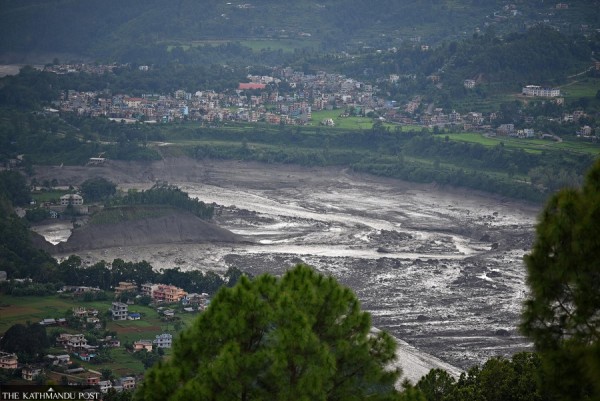
The 12-day version relies more heavily on road transport than the classic circuit, which is exactly what makes it shorter. Expect a jeep or bus ride from Kathmandu to the trailhead, and often a flight from Jomsom to Pokhara at the end (weather-dependent — more on that below) or a longer road journey if flights aren't running. Road conditions in the lower Marshyangdi valley can be rough, dusty, and occasionally delayed by landslides in monsoon season, so it's worth building a spare day into your travel plans either side of the trek.
Trek Difficulty
This is genuinely a moderate to strenuous trek, and the 12-day pace makes it more demanding than the same route spread over three weeks. You're covering more altitude gain per day, which means less built-in flexibility if you're not acclimatizing well. Daily walking generally runs 5 to 7 hours, with the Thorong La Pass day being considerably longer — often 8 to 10 hours from Thorong Phedi or High Camp to Muktinath.
Good baseline fitness matters. If you can comfortably hike for several hours on consecutive days at home, you're in reasonable shape for this. If your longest hike to date has been a few hours on flat terrain, it's worth training specifically for sustained climbing and descending in the months before you go.
Altitude and Acclimatization
Thorong La Pass at 5,416 metres is the highest point most trekkers will reach on any standard Nepal trek, and altitude sickness is a real risk on any itinerary that climbs this fast. The dedicated acclimatization day in Manang exists for a reason — use it to do a short, higher day hike rather than resting completely, since gaining altitude during the day and sleeping lower helps your body adjust.
Common early symptoms are headache, nausea, loss of appetite, and disturbed sleep. Mild symptoms are common and usually manageable by slowing down and drinking more water. Symptoms that worsen, or anything resembling confusion, severe headache, or breathlessness at rest, mean you descend — immediately, not "in the morning." A good guide will already be watching for these signs, which is one of the strongest arguments for trekking with an experienced team rather than solo on this particular route.
Because the 12-day itinerary compresses the ascent, it leaves less room for a spontaneous extra rest day if you're struggling. Trekkers who know they're sensitive to altitude, or who are joining a trekking holiday for the first time, may want to weigh a slightly longer itinerary instead.
Best Seasons and Weather
Autumn (late September to November) is generally considered the most reliable season — stable weather, clear mountain views, and the post-monsoon trails in good condition. It's also the busiest period on the trail.
Spring (March to May) brings warmer days at lower elevation, blooming rhododendron forests, and generally good visibility, though afternoon cloud build-up is more common than in autumn.
Winter (December to February) is possible but Thorong La Pass can close temporarily after heavy snowfall, and it gets seriously cold at altitude. This isn't a season to attempt without checking current pass conditions with a local operator first.
Monsoon (June to early September) is generally avoided for this route — poor visibility, leech-heavy lower trails, and a higher risk of road disruption from landslides.
Weather at altitude is never fully predictable, even in the "best" seasons. Jomsom is notorious for strong afternoon winds, and flights in and out of the Jomsom airstrip are frequently delayed or cancelled due to weather, which is why sensible itineraries build in a spare day near the end rather than a tight connection straight to an international flight.
What to Pack
A few things that matter more than people expect on this particular route:
- Layering system for a wide temperature range — you'll go from t-shirt weather in the lower valley to sub-zero mornings near the pass
- A sleeping bag rated for at least -10°C to -15°C for the higher nights, even if teahouses provide blankets
- Good broken-in trekking boots — this is not the trek to test new footwear on
- Sun protection: the high, dry air near Manang and Muktinath burns faster than trekkers expect
- A basic first aid kit including diamox (if pre-approved by your doctor) and blister treatment
- Cash in Nepali rupees — ATMs become unreliable or nonexistent past Manang
Cost Factors to Consider
Rather than quoting a fixed number, it's more useful to understand what actually drives the price of a 12-day Annapurna Circuit Trek:
- Permits — the Annapurna Conservation Area Permit (ACAP) and TIMS card are required for this route and are typically arranged by your trekking company
- Guide and porter fees — solo trekking without a guide is no longer permitted in this region, so factor this into any budget
- Accommodation and meals — costs increase gradually with altitude
- Transport — jeep hire and the Jomsom–Pokhara flight (if included) affect the price noticeably
- Group size — costs per person typically drop when trekking in a group rather than solo
Since permit rules and prices change periodically, always confirm current figures directly with your trekking operator before booking rather than relying on older blog posts.
Guides and Porters
Trekking with a licensed guide is a requirement in this region, and honestly, it's worth it even where it isn't. A good guide reads altitude symptoms, manages pacing, knows which teahouses are reliable, and can adjust plans if weather or trail conditions change. Porters are optional but genuinely help you enjoy the trek more — carrying a daypack instead of a full pack over an 8-hour pass day makes a real difference.
Safety Considerations
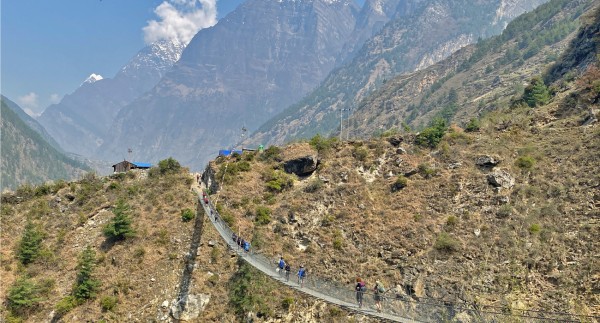
Beyond altitude sickness, the main safety factors on this route are weather-related trail conditions (snow or ice near the pass in shoulder season), river crossings on suspension bridges, and the isolation of the trail above Manang, where medical help is limited. Travel insurance that specifically covers high-altitude trekking and emergency evacuation is not optional for this trek — check that your policy covers activity up to at least 5,500 metres before you go.
Responsible Trekking in the Annapurna Region
The Annapurna Conservation Area is Nepal's largest protected area and supports thousands of local livelihoods through teahouse trekking. Simple habits make a real difference: carry a reusable water bottle and treat your own water rather than buying plastic bottles at altitude, stick to marked trails, respect local customs at monasteries and chortens (pass them on the left), and choose operators who employ and fairly pay local guides and porters from the region.
Common Mistakes to Avoid
- Skipping the acclimatization day to save time — this is the single most common cause of altitude problems on this itinerary
- Underestimating the pass day — it's longer and colder than most trekkers expect
- Booking flights home with no buffer day, then panicking when the Jomsom–Pokhara flight is weather-delayed
- Bringing new, unbroken-in boots
- Trekking without proper insurance coverage for high-altitude emergencies
Frequently Asked Questions
1. Is the 12-day Annapurna Circuit Trek suitable for beginners?
It's possible for reasonably fit beginners, but it's a faster-paced itinerary than the classic circuit. First-time trekkers with no altitude experience should be honest with themselves about fitness and consider a longer itinerary with more built-in acclimatization time.
2. How high is Thorong La Pass?
Thorong La Pass sits at 5,416 metres, the highest point of the Annapurna Circuit Trek and one of the highest trekking passes in the world.
3. Do I need a guide for the Annapurna Circuit Trek?
Yes. Trekking in this region currently requires a licensed guide, in addition to the standard ACAP and TIMS permits.
4. What is the best season for the 12-day Annapurna Circuit Trek?
Autumn (late September to November) and spring (March to May) are generally the most reliable seasons for stable weather and clear mountain views.
5. Can I do the Annapurna Circuit Trek without much hiking experience?
Some prior multi-day hiking experience is strongly recommended, particularly for the compressed 12-day version, since the daily elevation gain is faster than the classic itinerary.
6. What happens if I get altitude sickness on the trek?
Mild symptoms are common and often manageable by slowing your pace and hydrating. Worsening symptoms require immediate descent — your guide will help make that call if needed.
7. Is the Jomsom flight reliable?
Flights in and out of Jomsom are frequently affected by wind and weather, especially later in the morning. It's wise to build a buffer day into your schedule rather than booking a tight connection.
8. How does the 12-day itinerary differ from the classic 15–21 day Annapurna Circuit?
The shorter version uses road transport at the start and end of the trek to skip lower-valley walking, while still including the core high-altitude section through Manang, Thorong La Pass, and Muktinath.
Recent From Blog

19th Apr, 2019


23rd Dec, 2018

11th Jan, 2024

14th Jan, 2024

29th Jan, 2025

11th Feb, 2025

18th Feb, 2025

25th Feb, 2025

5th Apr, 2025
23rd Dec, 2025
9th May, 2026
12th Jul, 2026

13th Aug, 2026
13th Aug, 2026
13th Aug, 2026

16th Aug, 2026
20th Aug, 2026


11th Sep, 2026
24th Sep, 2026