
Annapurna Circuit Trek Difficulty 2026: A Complete Trekkers Guide
19th Aug, 2026
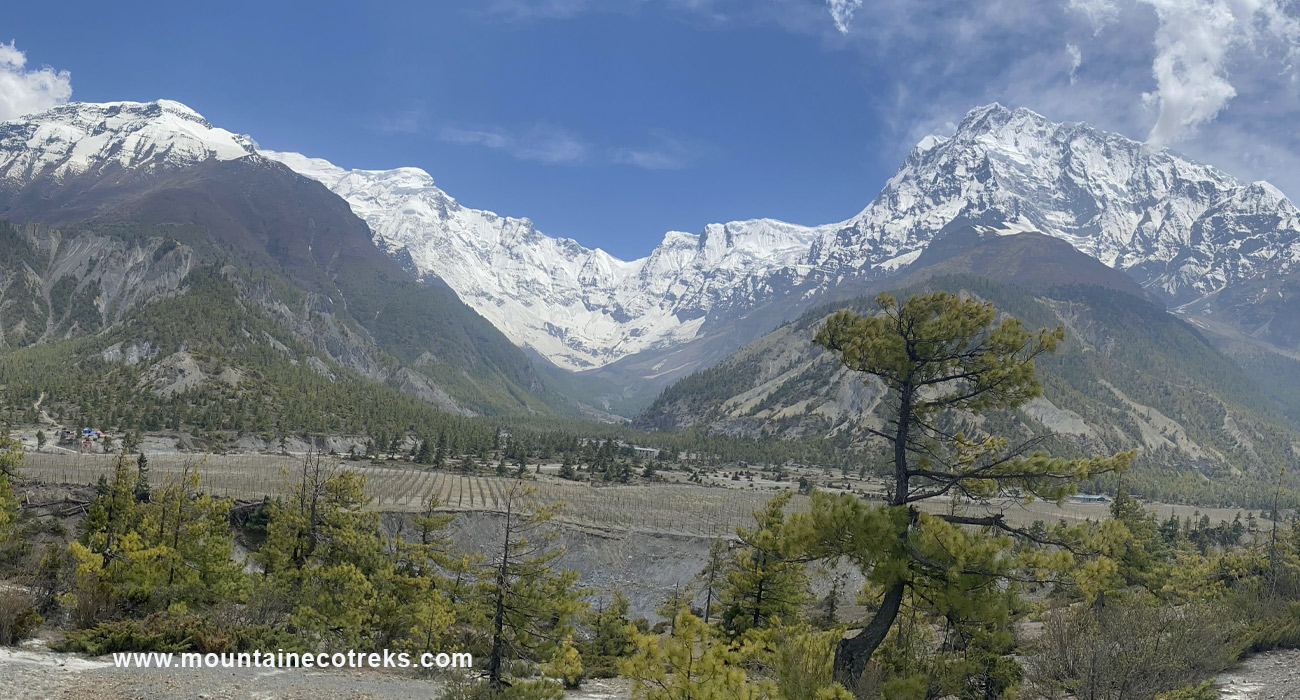
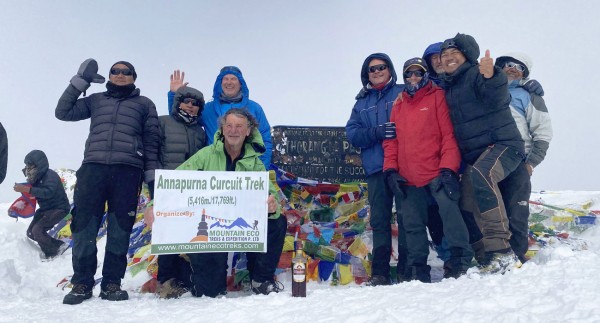
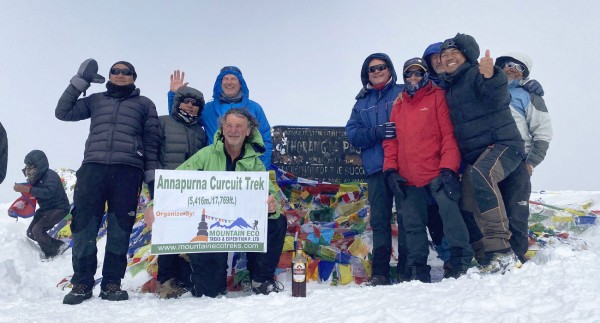
Wondering, "How hard is the Annapurna Circuit trek?" You're asking the right question before you book. The Annapurna Circuit is one of the most iconic long-distance treks in the world, famous for its diverse landscapes, deep cultural encounters, and the legendary crossing of Thorong La Pass at 5,416 meters. But it's also a serious undertaking — long, high, and demanding in ways that surprise even experienced hikers.
Table of Contents
This complete guide breaks down everything about Annapurna Circuit Trek difficulty in 2026 — altitude, distance, terrain, weather, fitness requirements, and how to train and prepare properly. By the end, you'll know exactly what to expect on the trail, and how Mountain Eco Treks & Expedition can help you plan a safe, well-paced, and unforgettable circuit trek.
How Difficult Is the Annapurna Circuit Trek?
The short answer: the Annapurna Circuit is rated moderate to challenging, and in many ways it demands more stamina than the Everest Base Camp trek because of its sheer length. This is a long-distance journey, not a technical climb — no ropes, harnesses, or climbing gear are needed — but the combination of distance, altitude, and consecutive trekking days makes it a genuine physical and mental test.
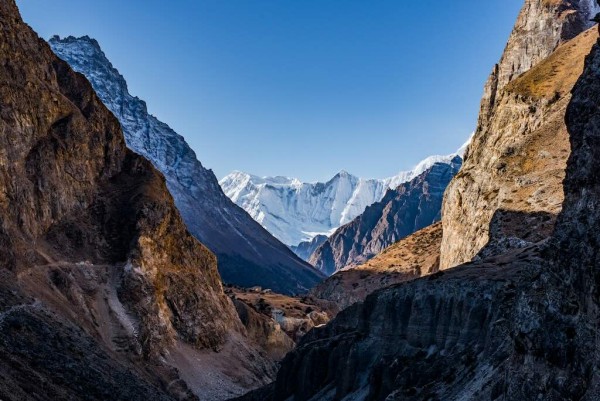
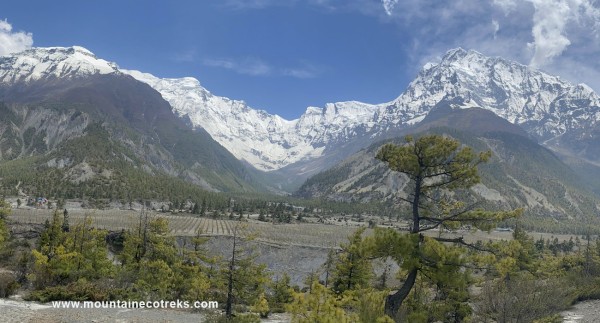
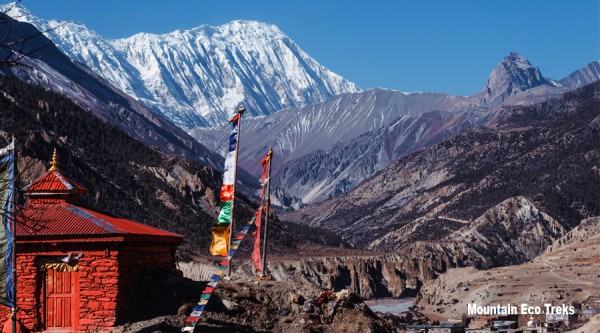
Depending on your chosen itinerary, you'll cover approximately 160 to 230 km over 12 to 18 days, climbing from subtropical lowlands near 800 meters all the way up to Thorong La Pass at 5,416 meters — one of the highest trekking passes in the world. Along the way, you'll pass through several distinct climate zones, from lush rice paddies and pine forests to high-alpine desert landscapes near the Tibetan plateau.
What Makes the Annapurna Circuit Trek Challenging?
1. High Altitude and the Thorong La Pass Crossing
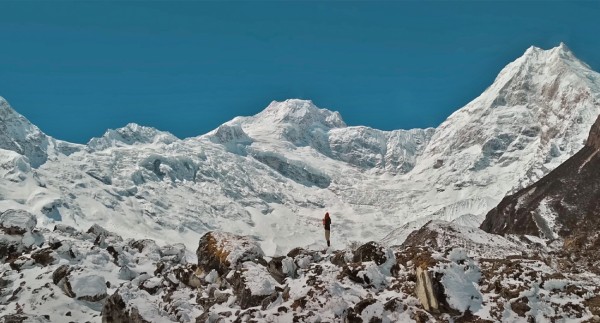
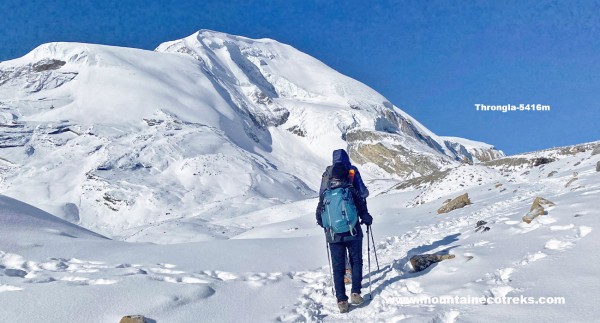
Altitude is the single biggest factor behind Annapurna Circuit trek difficulty. The trail rises gradually at first, but from Chame onward, thinner air starts affecting breathing, pace, and recovery. The toughest single day of the entire trek is the crossing of Thorong La Pass (5,416 m) — a long, cold, early-morning ascent that tests both fitness and mental resilience. Most cases of altitude sickness on this route happen when trekkers skip acclimatization days in Manang or push too quickly toward High Camp before the pass.
2. The Sheer Length of the Trek
Unlike shorter treks, the Annapurna Circuit's primary challenge is cumulative fatigue over 12 to 18 consecutive days. You'll typically walk 5 to 8 hours a day, covering around 12–15 km daily. No single day is extreme, but the relentless, day-after-day nature of the route tests endurance and joint health more than almost any other trek in Nepal.
3. Changing Terrain Across Multiple Climate Zones
Few treks in the world offer this much variety — and that variety is part of the challenge. You'll walk through:
- Lowlands: Lush valleys, rice paddies, steep stone staircases, and river crossings
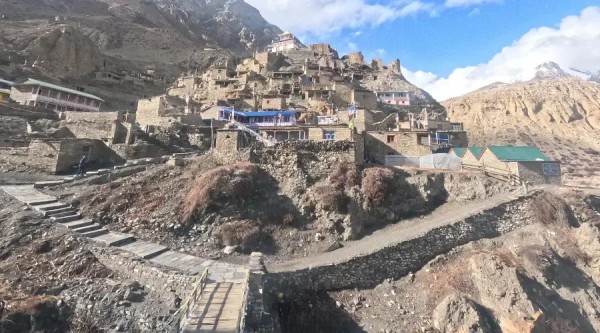
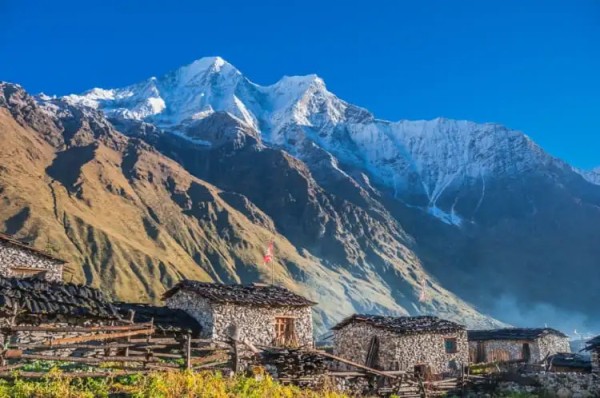
- Mid-hills: Pine forests, apple orchards, and dry scrubland around Manang
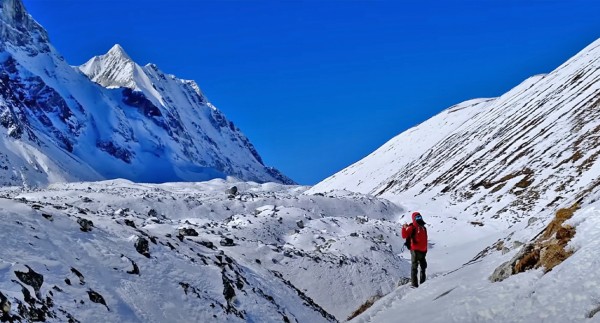
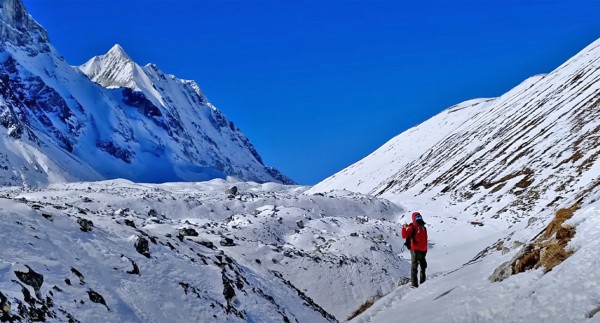
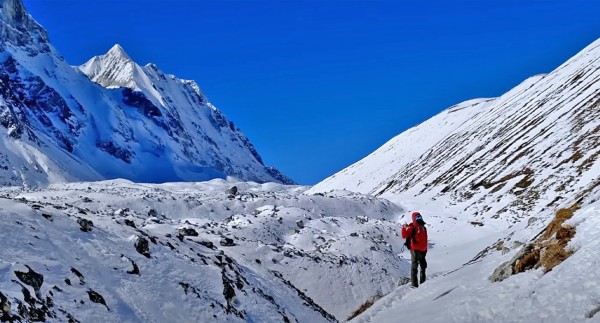
- High-altitude zone: Alpine pastures, rocky moraines, snow patches, and exposed ridgelines near Thorong La
- Post-pass descent: Riverbed walking and dusty trails through the windy Kali Gandaki Gorge — the deepest river gorge in the world
Each zone demands a different kind of physical adjustment, which adds to the overall difficulty.
4. Cold Temperatures and Unpredictable Mountain Weather
Nights in Manang and near High Camp regularly drop below freezing, even in the popular spring and autumn seasons. Snow at Thorong La is genuinely unpredictable — some crossings are virtually snow-free, while others involve trail-breaking through deep snow. Strong afternoon winds funneling through the Kali Gandaki Gorge after the pass can also make walking noticeably more tiring.
5. Basic Teahouse Accommodation
Much like other classic Himalayan routes, accommodation becomes more basic as elevation increases. Expect simple teahouse lodges, cash-only payments, limited hot showers, and no reliable ATM access along the trail — all things to plan for in advance.
6. Mental Endurance
Trekkers consistently report that the Annapurna Circuit tests patience and mental stamina as much as physical fitness. Sustaining motivation across two to three weeks, especially through repetitive walking days and the demanding push to Thorong La, is often the real difficulty behind this trek.
Annapurna Circuit Trek Difficulty at a Glance
| Factor | Difficulty Impact |
|---|---|
| Altitude (Thorong La 5,416m) | High — the toughest single obstacle |
| Total distance (160–230 km) | High — long-distance endurance test |
| Duration (12–18 days) | Moderate to High — cumulative fatigue |
| Daily walking hours (5–8 hrs) | Moderate |
| Terrain variety | Moderate — changes across climate zones |
| Weather/cold at high camp | Moderate to High |
| Technical climbing skills required | None |
Is the Annapurna Circuit Trek Suitable for Beginners?
Yes — with the right preparation and honest self-assessment. You don't need prior mountaineering experience to complete the circuit, and thousands of first-timers do so successfully every year. That said, because the trek is longer and involves a higher pass than many alternatives, beginners should be realistic about their fitness level and consider these points:
- A good baseline of cardiovascular fitness and comfort walking 5–8 hours a day
- Willingness to walk at a slow, steady pace, especially above 3,000 meters
- An itinerary with proper acclimatization days built in at Manang
- If you have zero high-altitude experience, some guides recommend a shorter 4,000m-altitude trek first — though with the right pacing and guide support, the Annapurna Circuit remains very achievable for motivated beginners
How to Train for the Annapurna Circuit Trek 2026
Proper training in the weeks before departure makes a real difference on a trek this long. A solid preparation plan includes:
- Cardio base-building: Walking, hiking, or jogging 5–6 days a week, gradually increasing duration
- Long weekend hikes: One extended hike per week on hilly terrain, building toward 4+ hours
- Stair and incline training: Practicing on hills, staircases, or an inclined treadmill to prepare your legs for sustained ascents and descents
- Strength training: Squats, lunges, step-ups, and calf raises 2–3 times weekly to protect your knees on long descents
- Core and balance exercises: Planks and light yoga to support stability on uneven, rocky trail sections
- Pack training: Walking with a loaded daypack to simulate trekking conditions
- Altitude awareness: Learning the early symptoms of AMS and committing to a slow, steady pace once above 3,000 meters
Starting this training routine at least 8 weeks before departure will make the long trekking days feel far more manageable.
Best Season for the Annapurna Circuit Trek 2026
- Autumn (September–November): The most popular and reliable season, with clear skies, stable weather, and excellent visibility — ideal for first-time high-altitude trekkers
- Spring (March–May): Warmer lower valleys, blooming rhododendron forests, and good visibility, though late-season snow at Thorong La is still possible
Both seasons offer the best conditions for managing Annapurna Circuit difficulty safely, since stable weather makes the Thorong La crossing significantly more predictable.
Tips to Make the Annapurna Circuit Trek Easier
- Pace yourself — slow, steady walking beats speed, especially above 3,000 meters
- Take the Manang acclimatization day seriously — never skip it to save time
- Stay hydrated — 3–4 liters of water daily helps your body adjust to altitude
- Trek with an experienced local guide — professional guides manage pacing, permits, and safety decisions, especially around the Thorong La crossing
- Pack for extreme temperature swings — layering is essential from warm lowland days to freezing High Camp nights
- Carry sufficient cash — most teahouses along the route are cash-only with no ATM access
Final Verdict: How Hard Is the Annapurna Circuit Trek in 2026?
The Annapurna Circuit is a moderate to challenging long-distance trek that rewards preparation. Its difficulty comes primarily from distance, sustained altitude gain, and the demanding crossing of Thorong La Pass — not from technical climbing skills. With a properly paced itinerary, adequate acclimatization, and an experienced guide team, trekkers across a wide range of fitness levels successfully complete the full circuit every year.
Plan Your Annapurna Circuit Trek with Mountain Eco Treks & Expedition
At Mountain Eco Treks & Expedition, we design Annapurna Circuit itineraries built around safe pacing, proper acclimatization days in Manang, and experienced local guides who know the Thorong La crossing inside out. Whether this is your first high-altitude trek or you're a seasoned hiker chasing one of the world's greatest long-distance trails, our team is here to help you prepare and trek with confidence.
👉 Ready to start your journey? Check out our Annapurna Circuit Trek package for a detailed itinerary, cost breakdown, and everything you need to plan your 2026 adventure with Mountain Eco Treks & Expedition.
Planning your Annapurna adventure? Reach out to Mountain Eco Treks & Expedition for expert guidance on itinerary planning, permits, training tips, and everything you need for a safe and successful Annapurna Circuit Trek in 2026
Recent From Blog

19th Apr, 2019


23rd Dec, 2018

11th Jan, 2024

14th Jan, 2024

29th Jan, 2025

11th Feb, 2025

18th Feb, 2025

25th Feb, 2025

5th Apr, 2025
23rd Dec, 2025
9th May, 2026
12th Jul, 2026

13th Aug, 2026
13th Aug, 2026
13th Aug, 2026

16th Aug, 2026
20th Aug, 2026


11th Sep, 2026

24th Sep, 2026