
Langtang Tamang Heritage Trek Difficulty & Highlights
4th Nov, 2026
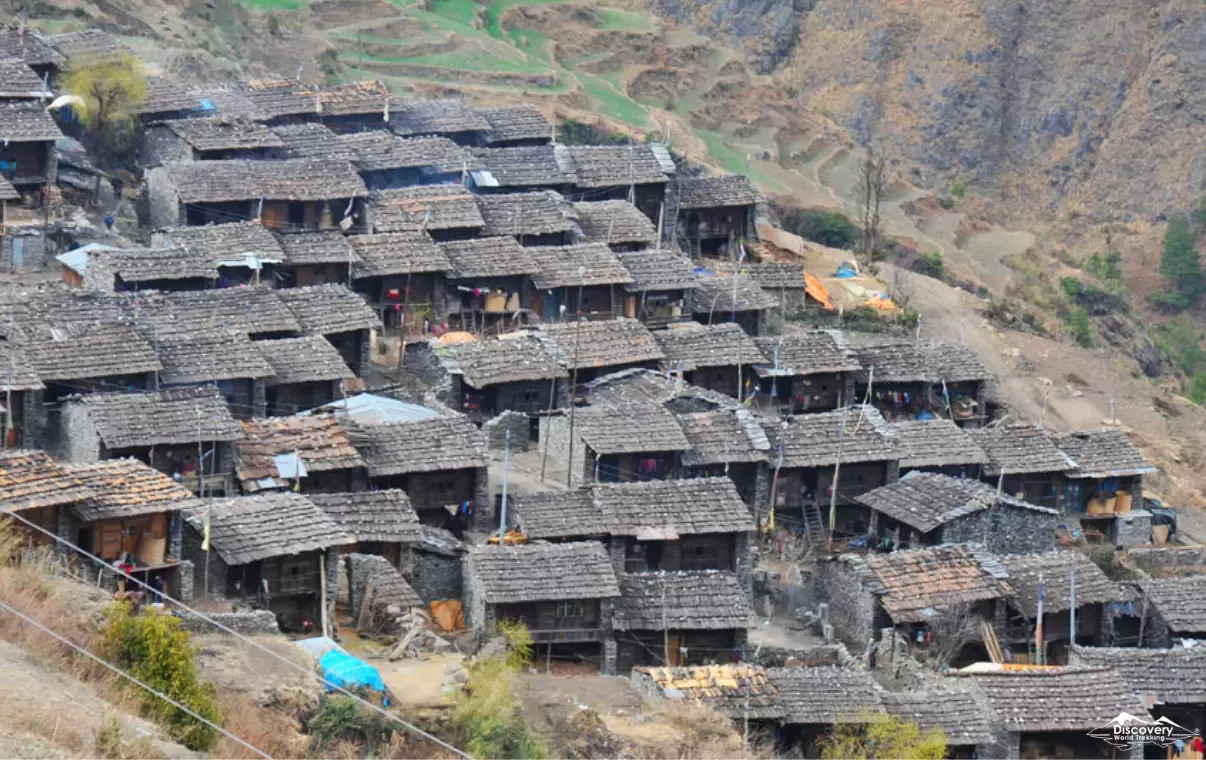
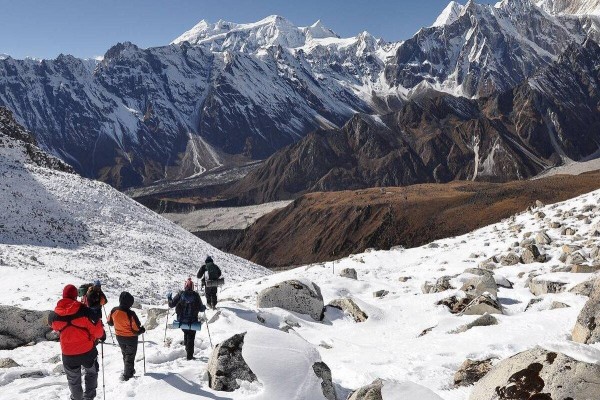
The Langtang Tamang Heritage Trek is one of the best choices for trekkers who want culture as much as mountains. The route is a loop through Tamang villages north of Kathmandu, passing Buddhist monasteries, forest ridges, a natural hot spring and views of Ganesh Himal and the Langtang range. It is also one of the easier ways to experience a high-Himalayan landscape without going very high.
Table of Contents
This guide covers how difficult the trek really is, what a typical day looks like, and the highlights that make it worth doing. It is based on the 10-day Langtang Tamang Heritage Trek offered by Mountain Eco Treks.
What Is the Langtang Tamang Heritage Trek?
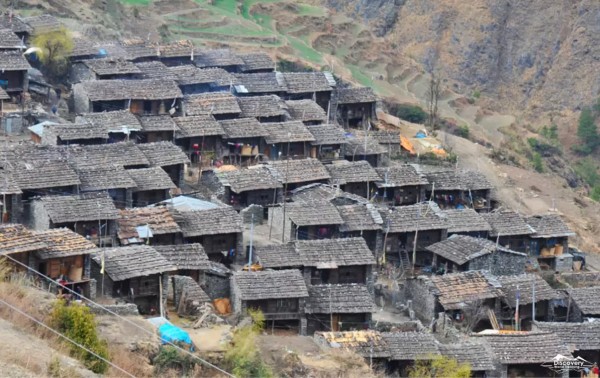
The Tamang Heritage Trail is a cultural trekking route in the Rasuwa district, near the Tibet border. It follows an old trade route between Nepal and Tibet through villages where the Tamang people have lived for centuries. The Tamang are known for their Tibetan Buddhist traditions, distinctive stone houses and strong community life.
Trek at a glance:
- Duration: 10 days from Kathmandu to Kathmandu (about 6 days of walking)
- Start and end: Syabrubesi
- Highest overnight point: Tatopani, 2,607 m
- Grade: Moderate
- Accommodation: Lodges, guesthouses and homestays
- Group size: 1–15
- Best time: All seasons except the monsoon
Unlike the main Langtang Valley route, this trail stays below 3,000 m, so the focus is on villages, forests and viewpoints, not altitude.
How Difficult Is the Langtang Tamang Heritage Trek?
In short, it is a moderate trek: not technical, but physically steady. You walk about 5–6 hours a day on mostly forested, up-and-down trails.
What makes it manageable:
- Low altitude. The highest overnight stop is 2,607 m, so altitude sickness is unlikely for most people.
- No technical sections. The trails are well used and non-technical, with no glaciers or high passes.
- Gentle daily gains. Climbs are spread across the day and followed by rest stops in villages.
- Frequent villages. Tea, snacks and lodges are never far away.
What makes it tiring:
- Rolling terrain. There are many ups and downs, especially on the Thuman and Briddim days.
- Back-to-back walking days. Six consecutive days of 5–6 hours can wear on legs if you are not used to it.
- Weather. The trails can be slippery in the monsoon and cold in winter.
- Basic facilities. Rooms are simple, so comfort levels are lower than in the city.
The trip page gives daily walking distances of roughly 10–12 km. A reasonable fitness level and some hiking practice are enough. You don’t need prior trekking experience, but a guide is recommended for the route and the cultural context.
Daily Walking Hours and Altitude
Here is the day-by-day plan with times and altitudes from the Mountain Eco Treks itinerary:
| Day | Route | Altitude | Time |
|---|---|---|---|
| 1 | Arrive in Kathmandu | 1,350 m | |
| 2 | Drive Kathmandu to Syabrubesi | 1,470 m | About 6 hrs drive |
| 3 | Syabrubesi to Gatlang | 2,200 m | About 5 hrs |
| 4 | Gatlang to Tatopani | 2,607 m | About 6 hrs |
| 5 | Tatopani to Thuman via Nagthali | 2,400 m | About 6 hrs |
| 6 | Thuman to Briddim | 2,345 m | About 6 hrs |
| 7 | Briddim to Lama Hotel | 2,350 m | About 6 hrs |
| 8 | Lama Hotel to Syabrubesi | 1,470 m | About 6 hrs |
| 9 | Drive back to Kathmandu | 1,350 m | About 6 hrs drive |
| 10 | Departure |
Tip: Start walking early each morning, when the air is cool and the views are clearest. Afternoon cloud often hides the mountains.
Trek Highlights
1. Authentic Tamang Villages
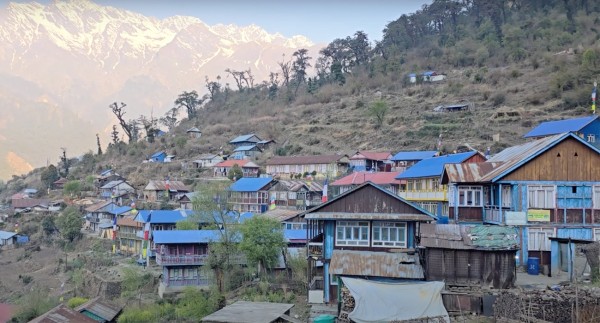
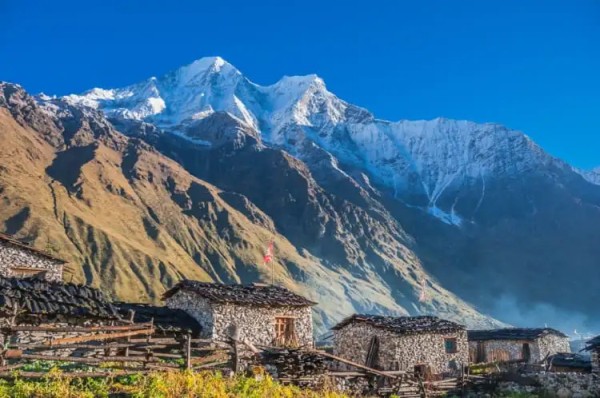
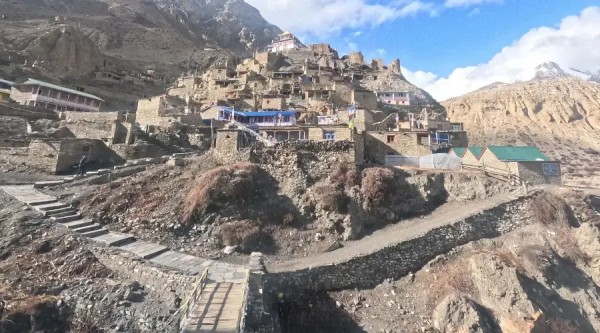
The heart of the trek is the villages themselves. Gatlang, Thuman, Briddim and the settlements between them are full of traditional stone houses, carved wooden doors, terraced fields and mani walls. Homestays and local lodges let you eat with families and learn about daily life, so you are a guest rather than just a passer-by.
2. Gatlang Village
Day 3 brings you to Gatlang, a large and impressive Tamang village reached on an old walking trail away from the motor road. You can visit the monastery, wander between traditional homes and soak up the evening atmosphere. Gatlang is also the gateway to a sacred lake, Parvati Kunda, which is a pilgrimage site for local communities.
3. Tatopani Hot Springs
Tatopani means “hot water,” and the village is named for its natural hot spring. After a day of walking, a dip in the warm pools is one of the trek’s favourite moments. Tatopani is also the highest overnight point on the route (2,607 m) and sits on the old trail toward the Tibet border.
4. Nagthali and Thuman
On Day 5 the trail climbs through forest to Nagthali and then to Thuman, a quiet and fairly isolated farm village. The path has views of Ganesh Himal and Langtang Lirung, and the afternoon gives you time to explore the village and its surroundings.
5. Briddim
Day 6 leads to Briddim, a remote Tamang village reached by a forested ridge. The walk passes through rhododendron, pine and oak forest, and Briddim itself has a calm, traditional feel with mountain views in every direction.
6. Rhododendron and Magnolia Forests
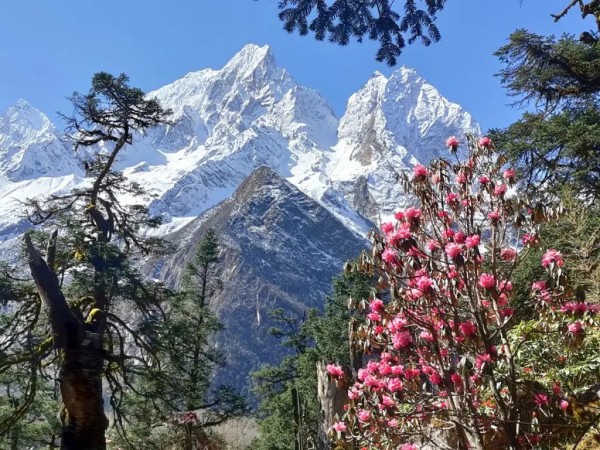
The forests along the trail are among the trek’s highlights, especially in spring when rhododendrons bloom and the hills turn red and pink. Pine, oak and bamboo add variety, and the shade makes the walking days cooler.
7. Mountain Views
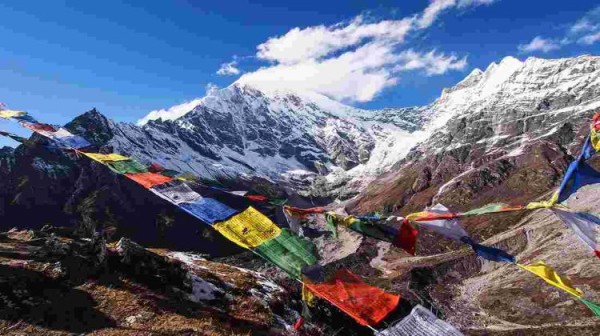
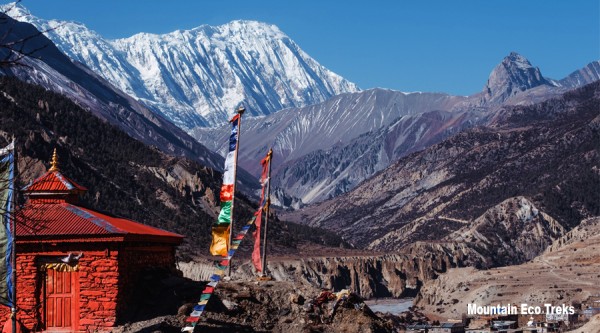
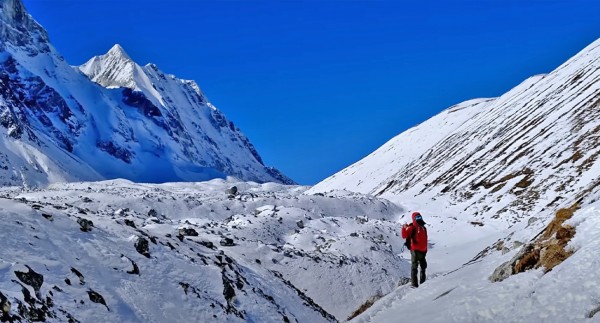
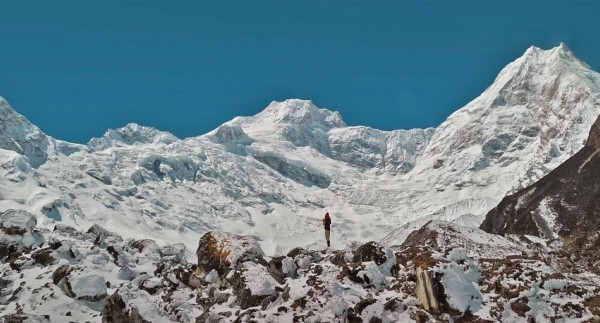
Ganesh Himal, the Langtang range and the mountains on the Tibet border appear repeatedly along the route. They are not as close as on higher routes, but the views are wide and dramatic, particularly on the ridge walks.
8. Buddhist Culture and Monasteries
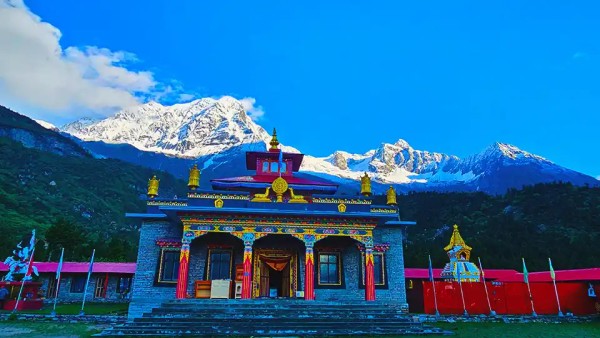
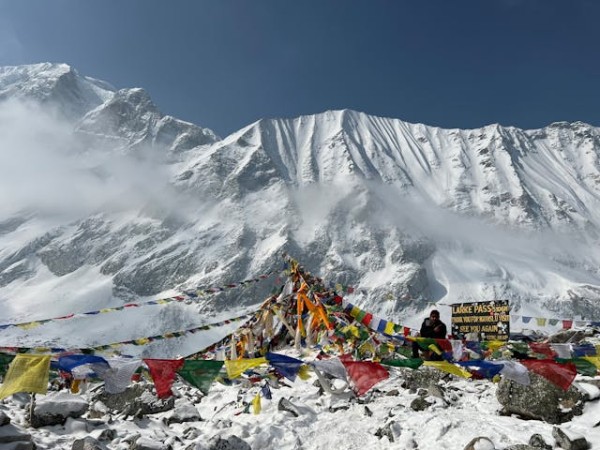
Prayer flags, chortens, mani walls and small monasteries mark the way. As you walk, you can learn about Tibetan Buddhist traditions, local festivals and the old trade links with Tibet.
9. Lama Hotel and the Langtang Trail
On Day 7, the route joins the main trail from Syabrubesi toward Kyanjin Gompa at Lama Hotel, a small settlement in the forest beside the upper Trisuli River. It is a good place to see how the heritage trail links to the busier Langtang Valley.
Best Time to Trek
- Spring (March–May): Blooming rhododendrons, warm days and clear mornings. A very popular time.
- Autumn (September–November): Stable weather and the clearest mountain views.
- Winter (December–February): Cold, especially at night, but often clear. Bring warm clothes for the nights near 2,500 m.
- Monsoon (June–August): Rain, slippery trails and leeches. Mountain views are often hidden.
Mountain Eco Treks lists the trek as suitable year-round except the monsoon.
Who Is This Trek For?
- First-time trekkers. The altitude is low and the trails are not technical.
- Culture lovers. Village stays, monasteries and local traditions are the main attraction.
- Short-holiday travellers. It starts and ends in Syabrubesi, a day’s drive from Kathmandu.
- Families and older travellers with decent fitness. The pace can be adjusted and there are no extreme altitude jumps.
- Trekkers who want quieter trails than the main Langtang Valley route.
If you want bigger mountain scenery and higher altitude, consider the Langtang Valley Trek or the longer Langtang – Gosainkunda Circuit Trek. For an easy, shorter option, see the Helambu Trek.
Food and Accommodation
- Rooms: Twin-sharing lodge rooms, guesthouses or homestays with basic facilities.
- Meals: Three meals a day on the trek, including dal bhat, noodles, momos, soups, Tibetan bread, eggs, oats, pasta and more.
- Drinking water: Use purification tablets or boiled and filtered water.
- Connectivity: The trip page lists Wi-Fi as available, though it is often slow or unavailable in remote villages.
Hot showers, Wi-Fi and device charging are extra costs on most treks, so carry a little cash.
What’s Included in the Package
According to the Mountain Eco Treks trip page, the standard plan includes:
- Private vehicle airport transfers and a public deluxe bus between Kathmandu and Syabrubesi
- Three hotel nights with breakfast in Kathmandu
- Three meals a day on the trek, with chlorine-treated drinking water
- Twin-sharing lodge accommodation
- An experienced guide and porters, with their wages, food and equipment
- Permits and paperwork
- Down sleeping bag use if needed, a duffel bag and a route map
- First-aid kit, government taxes and a farewell dinner
Not included: Lunch and dinner in Kathmandu, boiled water, bottled drinks, Wi-Fi, device charging, travel insurance, hot showers, private jeep, personal gear, snacks and tips.
For the latest price and dates, send an inquiry.
Permits Required
You’ll need the Langtang National Park entry permit and a TIMS card. Your trekking company normally arranges both. Always carry your passport and permits while trekking.
Packing Essentials
- Daypack, duffel bag and a down jacket
- Layers: T-shirts, fleece, warm hat and gloves
- Waterproof jacket and trousers
- Sturdy, broken-in trekking boots and sandals for the evening
- Trekking poles, headlamp, sunscreen and sunglasses
- Water bottle, purification tablets and a small first-aid kit
- Power bank, camera and plug adapter
- Travel insurance and passport copies
Tips for a Great Tamang Heritage Trek
- Take it slowly. The trek is about the villages, so give yourself time to explore.
- Stay in homestays when possible to support families directly.
- Respect local customs. Walk clockwise around mani walls, ask before taking portraits and dress modestly.
- Carry small cash for snacks, showers and charging.
- Pack warm layers even in autumn, since nights can be chilly.
- Add a day or two in Kathmandu for sightseeing, such as the Kathmandu city sightseeing tour or the Nagarkot sunrise day tour.
Frequently Asked Questions (FAQs)
1. How difficult is the Langtang Tamang Heritage Trek?
It is a moderate trek. The trails are non-technical and the altitude stays low, but you walk 5–6 hours a day on rolling terrain.
2. How many days does the trek take?
The Mountain Eco Treks itinerary is 10 days, with about 6 days of walking.
3. What is the highest point?
The highest overnight stop is Tatopani at 2,607 m.
4. Is altitude sickness a risk?
It is unlikely at this altitude, though you should still drink water, rest and tell your guide about any symptoms.
5. Do I need previous trekking experience?
No. Basic fitness and a willingness to walk several hours a day are enough.
6. What is the best time to go?
Spring (March–May) and autumn (September–November) give the best weather and views. The trek is possible in other seasons except the monsoon.
7. What permits do I need?
A Langtang National Park permit and a TIMS card, normally arranged by your trekking company.
8. Where do we stay?
In lodges, guesthouses or homestays in the villages.
9. What food is available?
Dal bhat, noodles, momos, soups, bread, eggs and more. Vegetarian and vegan options are available.
10. Is there a hot spring on the trek?
Yes. Tatopani, on Day 4, is named for its natural hot spring.
11. Is there Wi-Fi and mobile signal?
The trip page lists Wi-Fi as available, but coverage varies and can be patchy in remote areas.
12. How is the Tamang Heritage Trek different from the Langtang Valley Trek?
The Tamang Heritage Trek focuses on villages, forests and culture at lower altitude. The Langtang Valley Trek goes higher into a glacier valley and ends at Kyanjin Gompa.
13. Can children and older people do the trek?
Generally yes, with good health and fitness. Children under 12 should be accompanied by a parent, and anyone with medical conditions should check with a doctor first.
14. Do I need travel insurance?
Yes. Choose a policy covering trekking, medical care and evacuation.
15. How do I book?
Contact Mountain Eco Treks through the trip page, WhatsApp or the inquiry form to confirm dates and price.
Final Thoughts
The Langtang Tamang Heritage Trek proves you don’t need extreme altitude to have a meaningful Himalayan journey. Over about a week you walk through Tamang villages, relax in a hot spring, cross forested ridges and watch Ganesh Himal and the Langtang range rise above the valleys. It is moderate in difficulty, rich in culture and close to Kathmandu.
Ready to start planning? View the full Langtang Tamang Heritage Trek itinerary, explore more routes in the Langtang Region, read the FAQs, see why choose Mountain Eco Treks, meet the team, or contact us to book your dates.
Recent From Blog

19th Apr, 2019


23rd Dec, 2018

11th Jan, 2024

14th Jan, 2024

29th Jan, 2025

11th Feb, 2025

18th Feb, 2025

25th Feb, 2025

5th Apr, 2025
23rd Dec, 2025
9th May, 2026
12th Jul, 2026

13th Aug, 2026
13th Aug, 2026
13th Aug, 2026

16th Aug, 2026
20th Aug, 2026


11th Sep, 2026
24th Sep, 2026
25th Sep, 2026
5th Oct, 2026
6th Oct, 2026
11th Oct, 2026
13th Oct, 2026