
Tsum Valley Trek: Complete Guide, Itinerary, Cost, Difficulty & Permits 2026-2027
23rd Aug, 2026
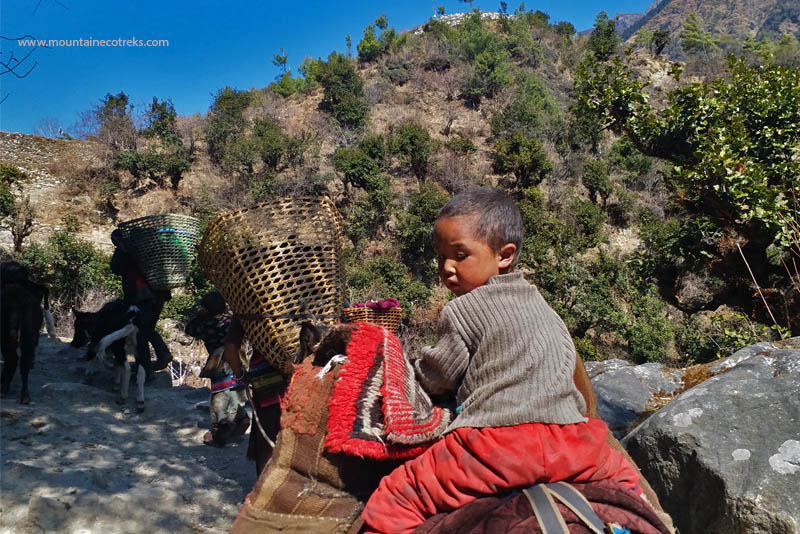
Searching for "Tsum Valley Trek cost," "Tsum Valley permits," or "is Tsum Valley Trek worth it"? You've found the right guide. Tucked in the trans-Himalayan folds of the Gorkha district, northeast of Mount Manaslu (8,163m), Tsum Valley is one of Nepal's most sacred and least-explored trekking destinations — a hidden Buddhist sanctuary that only opened to foreign trekkers in 2008 and still sees a fraction of the crowds found on Everest or Annapurna.
Table of Contents
This complete guide covers everything you need for the Tsum Valley Trek in 2026/2027 — the full itinerary, realistic cost breakdown, required permits, best season, difficulty level, and expert preparation tips. By the end, you'll know exactly how to plan this off-the-beaten-path Himalayan adventure, and how Mountain Eco Treks & Expedition can help you get there safely.
What Is the Tsum Valley Trek?
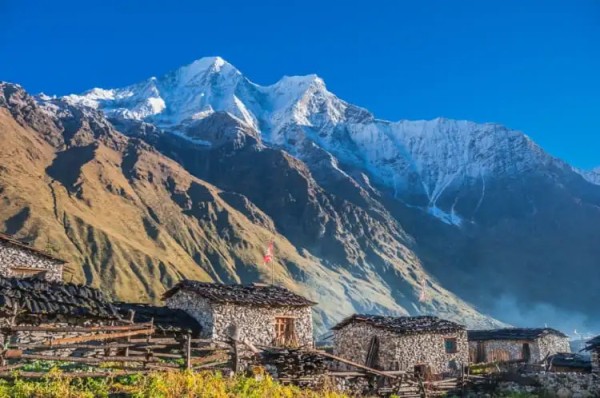
The Tsum Valley Trek explores a remote, restricted valley in Nepal's Gorkha district, branching off the Manaslu Circuit near the village of Lokpa. Known locally as "Tsombo" (meaning vivid) and often called the Hidden Valley of Happiness, Tsum Valley sits close to the Tibetan border and has preserved a distinct Tibetan Buddhist culture largely untouched by mass tourism.
The trek follows the Budhi Gandaki River valley from Machha Khola or Soti Khola, climbing through deep gorges and pine forest into the Tsum Valley proper, passing through Chumling, Chhokang Paro, and Nile, and reaching the sacred monastery of Mu Gompa (3,700m) — the highest point of the standard trek. Along the way, trekkers pass through villages inhabited by the Tsumba people, whose centuries-old Buddhist traditions, monasteries, and non-violence pact (the Shyagya tradition, upheld since 1920, under which no animals are slaughtered in the valley) make this one of Nepal's most spiritually rich trekking regions.
Tsum Valley Trek Highlights
- Remote, restricted-area trekking with very few crowds compared to Annapurna or Everest
- Deep Tibetan Buddhist culture among the Tsumba people, largely unchanged for centuries
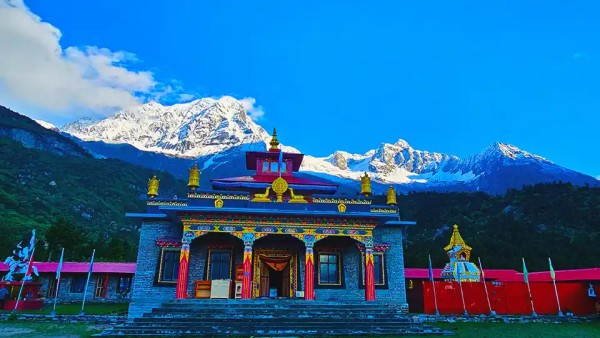
- Ancient monasteries and nunneries, including the sacred Mu Gompa and Rachen Gompa
- The longest mani walls in Nepal, found at Dzong and Phurpe villages
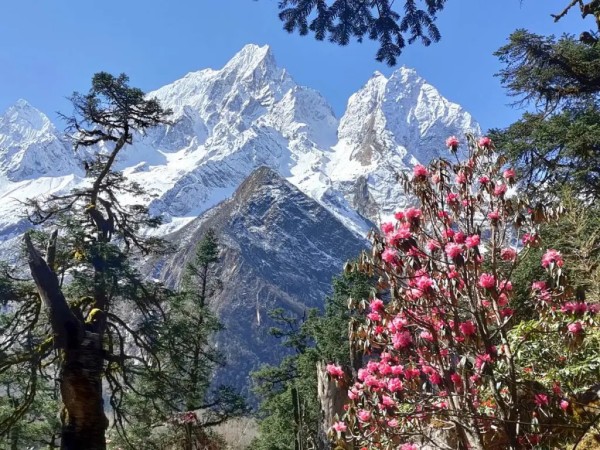
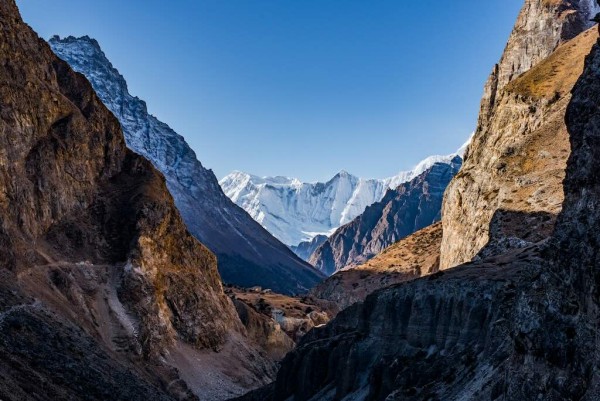
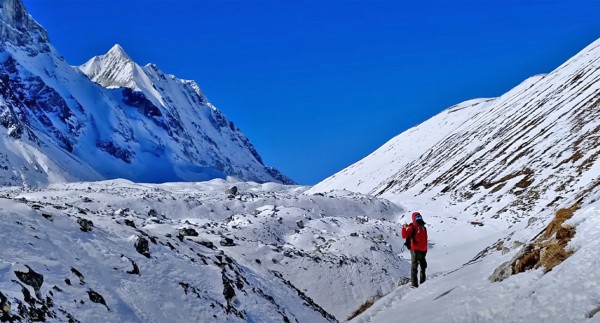
- Dramatic Himalayan scenery: deep gorges, pine and rhododendron forest, and high alpine landscapes
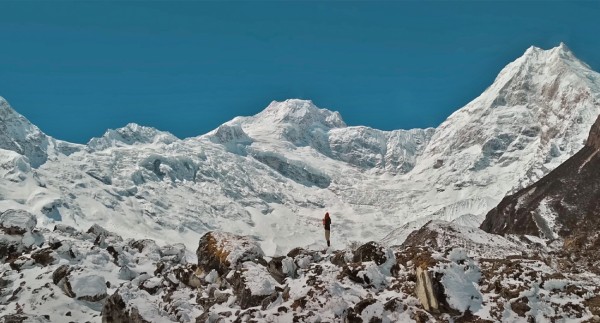
- Panoramic views of Ganesh Himal, Sringi Himal, Boudha Himal, and Himalchuli
- A living non-violence tradition (Shyagya) still practiced in the valley today
- Option to combine with the Manaslu Circuit Trek and Larke La Pass for a longer adventure
Tsum Valley Trek Itinerary 2026/2027
This is the most popular and balanced itinerary, and it can be customized shorter (10 days) or longer (18+ days) depending on your pace, acclimatization needs, and whether you want to add the Manaslu Circuit.
| Day | Route | Approx. Altitude |
|---|---|---|
| Day 1 | Drive from Kathmandu to Machha Khola | 869m |
| Day 2 | Trek from Machha Khola to Jagat | 1,410m |
| Day 3 | Trek from Jagat to Lokpa (entrance to Tsum Valley) | 2,240m |
| Day 4 | Trek from Lokpa to Chumling | 2,386m |
| Day 5 | Trek from Chumling to Chhokang Paro | 3,031m |
| Day 6 | Trek from Chhokang Paro to Nile | 3,361m |
| Day 7 | Trek from Nile to Mu Gompa | 3,700m |
| Day 8 | Explore Mu Gompa and side trip to Dhephu Doma | 3,700m |
| Day 9 | Trek back from Mu Gompa to Chhokang Paro | 3,031m |
| Day 10 | Trek from Chhokang Paro to Chumling | 2,386m |
| Day 11 | Trek from Chumling to Lokpa | 2,240m |
| Day 12 | Trek from Lokpa to Jagat | 1,410m |
| Day 13 | Trek from Jagat to Machha Khola | 869m |
| Day 14 | Drive from Machha Khola to Kathmandu | 1,400m |
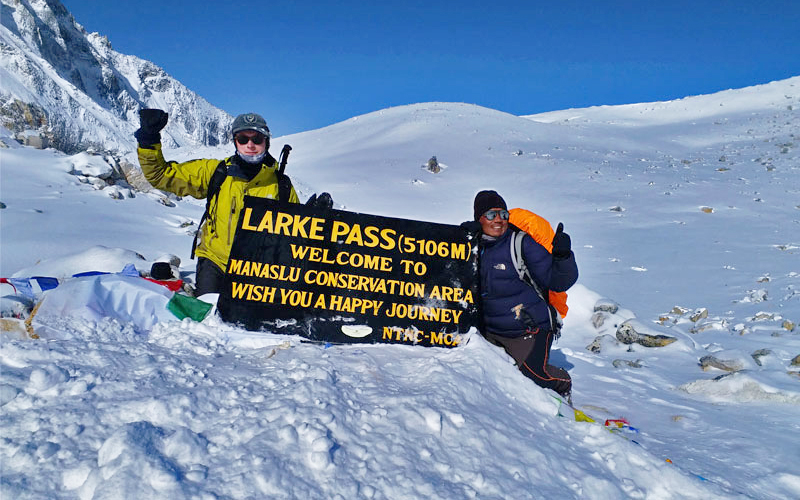
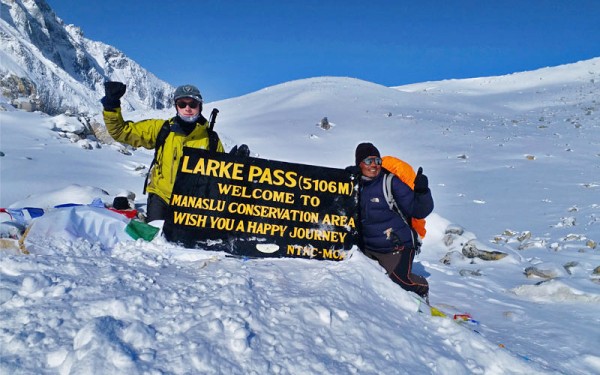
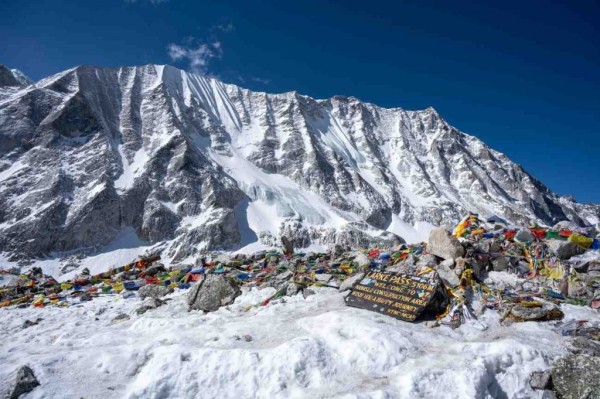
Note: Some itineraries begin from Soti Khola instead of Machha Khola, adding a day at the start. A rest and exploration day at Mu Gompa is highly recommended for both acclimatization and visiting nearby monasteries. Trekkers with more time often extend the trip into an 18–25 day Manaslu Circuit and Tsum Valley combination, crossing the high Larke La Pass (5,106m).
Tsum Valley Trek Cost 2026/2027
Cost is one of the most-searched questions for this trek, and it varies significantly based on group size, itinerary length, and service level. Based on current 2026 market rates:
- Budget group-join packages: roughly $850 – $1,000 per person
- Standard 12–14 day packages: roughly $1,000 – $1,500 per person
- Combined Manaslu Circuit + Tsum Valley packages: roughly $1,600 – $2,300 per person
What's typically included:
- Restricted Area Permit (RAP) and Manaslu Conservation Area Permit (MCAP) processing
- Licensed trekking guide (mandatory for restricted areas)
- Porter service
- Teahouse/lodge accommodation during the trek
- Meals during the trek (breakfast, lunch, dinner)
- Ground transportation (Kathmandu–Machha Khola/Soti Khola–Kathmandu)
What's typically excluded:
- International airfare and Nepal visa fees
- Travel insurance (including high-altitude and emergency evacuation coverage)
- Personal expenses: hot showers, Wi-Fi, battery charging, bottled water
- Tips and gratuities for guides and porters
- Extra nights in Kathmandu due to delays or itinerary changes
Tsum Valley runs higher than nearby non-restricted treks, mainly because of restricted area permit fees, the legal requirement to trek with a licensed guide, and the added cost of transporting supplies to such a remote region.
Tsum Valley Trek Permits 2026/2027
Because Tsum Valley is an officially designated Restricted Area, independent solo trekking is not allowed. You'll need the following permits, arranged through a registered trekking agency:
1. Restricted Area Permit (RAP)
This is the primary permit required to enter Tsum Valley, and it's priced seasonally:
- September–November (peak season): approximately $40 for the first 7 days, then $7/day thereafter
- December–August (off-season): approximately $30 for the first 7 days, then $7/day thereafter
2. Manaslu Conservation Area Permit (MCAP)
Required since the valley falls within the Manaslu Conservation Area. This permit costs approximately NPR 3,000 (around $23) per person.
Important permit rules to know:
- As of Nepal's March 2026 regulation update, the previous minimum 2-trekker requirement for restricted area permits has been removed, and solo trekkers can now obtain a RAP — but independent (unguided) trekking is still not permitted
- A licensed, government-registered guide is mandatory — this is a legal requirement, not just a recommendation
- Your permits are checked at checkpoints including Jagat and Philim, so carry copies at all times
- The TIMS card is not required for this trek, as the restricted area permits serve the same tracking and safety function
- Permit requirements can shift with local regulations, so confirm current rules with your agency before departure
How Difficult Is the Tsum Valley Trek?
The Tsum Valley Trek is rated moderate to challenging. While it doesn't involve extreme altitude like Everest Base Camp or crossing a major pass, several factors add real difficulty:
- Steep ascents and descents: The trail moves through deep gorges and narrow ridgelines, with sustained uphill and downhill walking most days
- Sustained elevation: You'll spend several nights above 3,000m, including Chhokang Paro (3,031m), Nile (3,361m), and Mu Gompa (3,700m)
- Remoteness and basic facilities: Teahouses in Tsum Valley are simpler than those on the Manaslu Circuit or EBC route, with limited hot showers and variable food options at higher elevations
- Daily walking: Expect 5–7 hours of walking most days, with good cardiovascular fitness and leg strength needed for the steep sections
Because the trek stays below extreme altitude and avoids a major high-pass crossing, it's often considered accessible for trekkers with moderate fitness and some prior hiking experience, though it remains a serious undertaking due to its remoteness.
Best Time for the Tsum Valley Trek
- Autumn (September–November): The most popular season, with clear skies, stable weather, and the best mountain visibility
- Spring (March–May): Pleasant temperatures and blooming rhododendron forests lower down, with generally good trekking conditions
- Winter (December–February): Possible but colder, with some lodges at higher elevations closing and colder nights at Mu Gompa
- Monsoon (June–August): Not recommended — heavy rainfall, landslide risk, and slippery trails make this the least favorable season
Packing Tips for Tsum Valley Trek
- Layered clothing for temperature swings between the lower Budhi Gandaki valley and high camps near Mu Gompa
- A warm sleeping bag, since teahouses at higher elevations can be cold, especially outside peak season
- Water purification tablets or a filter, since bottled water becomes expensive and less available at altitude
- Cash in Nepalese Rupees — there are limited or no ATMs along the restricted-area route
- Travel insurance with emergency evacuation coverage — essential for a remote trek like this
- Passport-sized photos and photocopies of your passport — required for permit processing at checkpoints
Why Trek Tsum Valley Instead of the Manaslu Circuit Alone?
If you're deciding between the two, here's the honest comparison: the Manaslu Circuit Trek offers a classic high-altitude crossing over Larke La Pass (5,106m) with dramatic mountain scenery. Tsum Valley, on the other hand, offers deep cultural and spiritual immersion, ancient monasteries, and a living Buddhist tradition rarely found elsewhere in Nepal — all without the need to cross a high pass. Many trekkers choose to combine both, branching off into Tsum Valley before continuing around the Manaslu Circuit for the best of both worlds.
Altitude Sickness on Tsum Valley Trek: Symptoms, Prevention & Tips
The Tsum Valley Trek stays below extreme altitude, but you'll still spend several nights above 3,000m — including Mu Gompa at 3,700m, the trek's highest point — so it's worth knowing the basics.
This is general trekking information, not medical advice. If you're planning this trek and have health concerns, check with a doctor familiar with high-altitude travel first.
Common Symptoms
- Headache
- Nausea or loss of appetite
- Dizziness or fatigue
- Trouble sleeping
- Shortness of breath on exertion
Seek immediate descent and help if you notice: a severe headache that won't ease, persistent vomiting, confusion, or difficulty breathing at rest.
Prevention Tips
- Go slowly — the "bistari bistari" pace, especially climbing toward Chhokang Paro, Nile, and Mu Gompa
- Stay hydrated and eat regularly — Dal Bhat and other energy-rich local food help
- Use your rest day at Mu Gompa for real acclimatization, not just sightseeing
- Avoid alcohol during the trek
- Tell your guide immediately if you feel unwell — don't push through it
Why Tsum Valley Is Lower-Risk
Since the trek tops out around 3,700m and doesn't cross a major high pass, altitude sickness risk here is generally lower than on treks like Everest Base Camp or Manaslu Circuit. Still, individual susceptibility varies, so basic precautions matter regardless of the trek's difficulty rating.
Tsum Valley: People, Culture & Religion
Tsum Valley — locally called Beyul Kyimolung, or "Hidden Valley of Happiness" — is one of Nepal's most spiritually rich trekking regions, home to around 4,000 indigenous Tsumba people across 18 remote settlements. Of Tibetan origin, the Tsumba speak their own dialect and have preserved a distinct culture, kept largely intact by the valley's isolation until it opened to trekkers in 2008.
Daily life here revolves around Tibetan Buddhism (Nyingma tradition), with prayer wheels, mantras, and monastery visits woven into everyday routine. Key spiritual sites include Mu Gompa (3,700m), the valley's oldest monastery; Rachen Gompa, a prominent nunnery; and Piren Phu, a sacred cave linked to the Tibetan saint Milarepa.
What makes Tsum truly unique is the Shyagya tradition — a vow of non-violence declared in 1920 and still upheld today, banning hunting, killing, and harm to any living being within the valley. Now legally protected, this "no-killing zone" has made Tsum a genuine wildlife haven, home to snow leopards, blue sheep, and Himalayan tahr.
Festivals like Losar, Saka Dawa, and the Shyagya Festival bring the valley's Buddhist calendar to life with dance, chanting, and celebration — offering trekkers a rare, living window into Himalayan Buddhist culture, not a staged one.
Tsum Valley Trek: Safety, Insurance & Rescue Guide
Safety on the Tsum Valley Trek depends on proper planning, a licensed guide, and the right insurance — this is a remote, restricted region with limited infrastructure.
Travel Insurance (Mandatory): Trekkers need comprehensive coverage for high-altitude trekking (up to 3,700m), emergency helicopter evacuation, medical treatment, and trip delays. Carry a copy of your policy at all times.
Health & Safety: Take the Mu Gompa rest day seriously for acclimatization, stay hydrated, and watch for altitude sickness symptoms above 3,000m. A licensed guide is legally required and trained to handle emergencies. Trails near gorges and river crossings demand careful footing, especially after rain.
Emergency Rescue: Since Tsum Valley is days from the nearest road, evacuation may mean walking to a lower village or a helicopter pickup where conditions allow. Response times are slower than on busier routes like EBC, so insurance must explicitly cover remote helicopter rescue.
Connectivity: Mobile signal (NTC/Namaste) works in lower Tsum but fades at higher elevations; some teahouses have Wi-Fi. Bring a power bank, as charging is limited.
What a Good Agency Provides: A licensed guide, acclimatization built into the itinerary, first aid support, evacuation coordination, and guidance on permits and local customs like the Shyagya tradition.
With the right insurance and a reputable guide, the Tsum Valley Trek can be enjoyed safely — leaving you free to focus on its culture and scenery.
Flora, Fauna & Natural Beauty of Tsum Valley Trek
Protected by the Shyagya tradition's century-old ban on hunting and harm to wildlife, Tsum Valley has become one of Nepal's richest biodiversity havens — a rare Himalayan ecosystem where animals and forests thrive largely undisturbed.
Flora
The trail moves through subtropical forest, pine and rhododendron woodland, and high alpine meadows as elevation rises toward Mu Gompa. Spring (March–May) brings the hillsides alive with blooming rhododendron and magnolia, while the valley is also home to rich medicinal herbs, including the prized yarsagumba fungus harvested seasonally by locals.
Fauna
Thanks to Shyagya's no-killing rule, wildlife sightings are common and genuine — not staged:
- Himalayan tahr and blue sheep, often seen in herds
- Musk deer and colorful pheasants
- The elusive snow leopard, occasionally spotted in the valley's quieter upper reaches
- Over 110 bird species and 2,000+ plant species recorded in the region
Natural Beauty
Beyond wildlife, the valley offers dramatic scenery at every turn — deep gorges along the Budhi Gandaki and Syar Khola rivers, cascading waterfalls, suspension bridges, and terraced hillsides giving way to alpine landscapes near Mu Gompa. Sweeping views of Ganesh Himal, Sringi Himal, Boudha Himal, and Himalchuli frame the trail throughout.
Why It Matters for Trekkers
Few places in Nepal combine cultural depth with such intact nature. Walking through Tsum Valley means trekking through a living wildlife sanctuary shaped by centuries of Buddhist compassion — as rewarding for nature lovers as it is for those seeking cultural immersion.
FAQs About Tsum Valley Trek
1. What is the Tsum Valley Trek?
The Tsum Valley Trek is a restricted-area trekking route in Nepal's Gorkha district, northeast of Mount Manaslu, known for its deep Tibetan Buddhist culture, ancient monasteries, and remote, less-crowded trails. It's often called the "Hidden Valley of Happiness."
2. How many days does the Tsum Valley Trek take?
The standard Tsum Valley Trek itinerary takes 12–14 days from Kathmandu to Kathmandu, though it can range from 10 days to 18+ days depending on your route and pace, or if combined with the Manaslu Circuit.
3. How much does the Tsum Valley Trek cost?
The Tsum Valley Trek typically costs between $1,000 and $1,500 per person for a standard 12–14 day package, depending on group size, season, and services included.
4. What permits are required for the Tsum Valley Trek?
You'll need a Restricted Area Permit (RAP) and a Manaslu Conservation Area Permit (MCAP). A TIMS card is not required, as the restricted area permits serve the same tracking function.
5. Is the Tsum Valley Trek difficult?
The trek is rated moderate to challenging, involving steep ascents and descents and sustained walking above 3,000m, but it doesn't require crossing a major high pass like the Manaslu Circuit does.
6. What is the highest point of the Tsum Valley Trek?
The highest point is Mu Gompa at 3,700m, a sacred monastery that also serves as the turnaround point of the standard trek.
7. What is the best time to trek Tsum Valley?
The best seasons are autumn (September–November) and spring (March–May), offering the most stable weather and clearest mountain views.
8. Can I trek Tsum Valley solo?
As of Nepal's March 2026 regulation update, solo trekkers can now obtain a Restricted Area Permit without needing a second trekker — but independent, unguided trekking is still not allowed. A licensed guide is mandatory.
9. Do I need a guide for the Tsum Valley Trek?
Yes. Because Tsum Valley is a restricted area, a licensed, government-registered guide from a registered trekking agency is legally required for the entire trek.
10. Where does the Tsum Valley Trek start?
The trek typically begins with a drive from Kathmandu to Machha Khola or Soti Khola, both gateways to the Budhi Gandaki valley and the Manaslu/Tsum region.
11. What kind of accommodation is available on the Tsum Valley Trek?
Accommodation is mainly teahouses and guesthouses with basic twin rooms, shared bathrooms, and home-cooked Nepali meals — simpler than lodges on more popular routes.
12. Is the Tsum Valley Trek suitable for beginners?
It can be done by moderately fit trekkers with some prior hiking experience. Since it avoids high-pass crossings and extreme altitude, it's more accessible than many other restricted-area treks in Nepal.
13. What mountain views can I see on the Tsum Valley Trek?
Trekkers enjoy views of Ganesh Himal, Sringi Himal, Boudha Himal, and Himalchuli, along with dramatic gorge and valley scenery throughout the trek.
14. What is the culture like in Tsum Valley?
Tsum Valley is home to the Tsumba people, who practice a distinct form of Tibetan Buddhism and have upheld the Shyagya tradition — a non-violence pact — since 1920, meaning no animals are slaughtered in the valley.
15. Can I combine the Tsum Valley Trek with the Manaslu Circuit?
Yes. Many trekkers combine both into an 18–25 day Manaslu Circuit and Tsum Valley Trek, adding the Larke La Pass (5,106m) crossing for a longer, more challenging Himalayan adventure.
Plan Your Tsum Valley Trek with Mountain Eco Treks & Expedition
At Mountain Eco Treks & Expedition, we specialize in restricted-area Himalayan treks and handle every part of your Tsum Valley journey — permit processing, licensed guide arrangements, and a well-paced itinerary built around proper acclimatization before reaching Mu Gompa. Whether you want the classic 12–14 day route or a combined Tsum Valley + Manaslu Circuit adventure, our experienced local team is ready to help you plan it right.
👉 Ready to explore Nepal's hidden valley of happiness? Check out our Tsum Valley Trek package for the full itinerary, cost details, and everything you need to book your 2026/2027 adventure with Mountain Eco Treks & Expedition.
Planning a remote Himalayan adventure? Reach out to Mountain Eco Treks & Expedition for expert guidance on permits, itinerary customization, and everything you need for a safe, successful Tsum Valley Trek in 2026/2027
Recent From Blog

19th Apr, 2019


23rd Dec, 2018

11th Jan, 2024

14th Jan, 2024

29th Jan, 2025

11th Feb, 2025

18th Feb, 2025

25th Feb, 2025

5th Apr, 2025
23rd Dec, 2025
9th May, 2026
12th Jul, 2026

13th Aug, 2026
13th Aug, 2026
13th Aug, 2026

16th Aug, 2026
20th Aug, 2026


11th Sep, 2026
24th Sep, 2026
25th Sep, 2026
5th Oct, 2026