
Everest Base Camp Short Trek 10 Days: Itinerary, Cost & Complete Guide
25th Aug, 2026
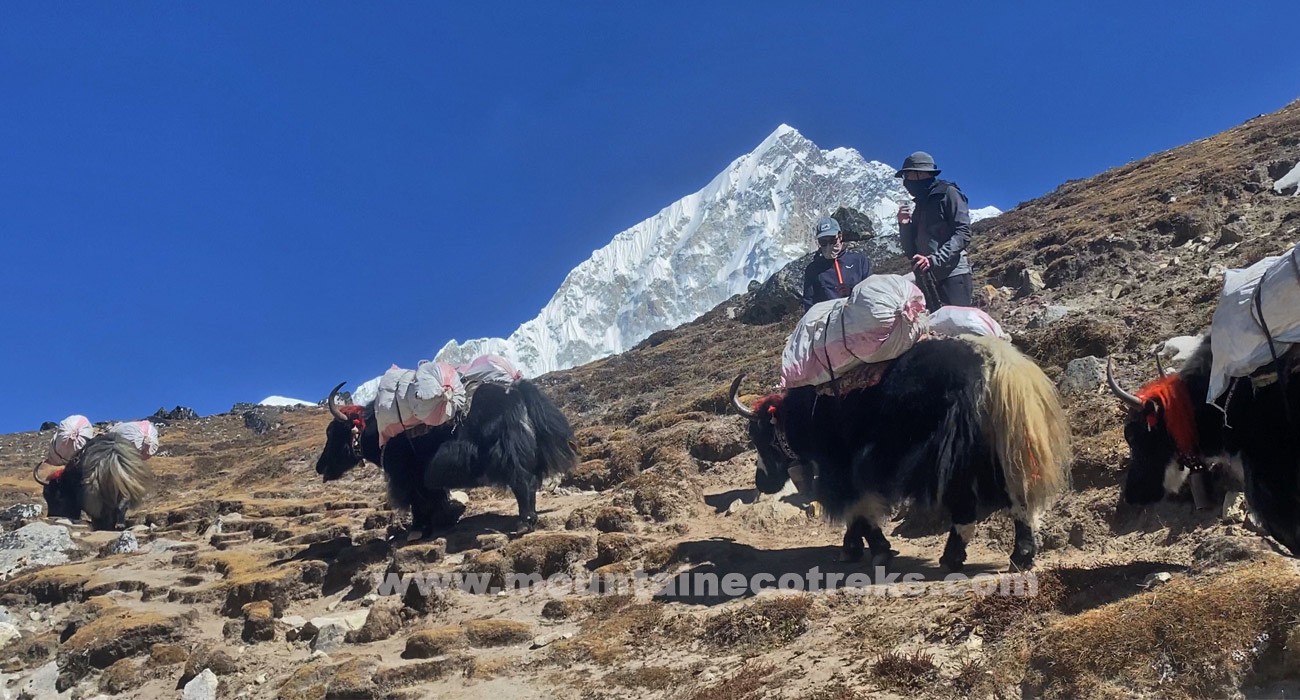
Fast-Track Everest Base Camp | Reach EBC & Kala Patthar in Just 10 Days from Kathmandu
Table of Contents
For trekkers who dream of standing at the foot of the world's highest mountain but can't spare the usual 12–14 days, the Everest Base Camp Short Trek (10 Days) is the answer. This condensed itinerary follows the same legendary trail as the classic Everest Base Camp trek — through Namche Bazaar, Tengboche Monastery, Dingboche, and Gorak Shep — but trims the schedule by cutting one extra acclimatization night, making it ideal for trekkers with limited vacation time and a solid base level of fitness.
This guide covers everything trekkers search for before booking: the day-by-day itinerary, 2026–2027 cost breakdown, difficulty rating, permits, best season, packing list, and answers to the most common questions about the short EBC route.
Why Choose the 10-Day Everest Base Camp Short Trek?
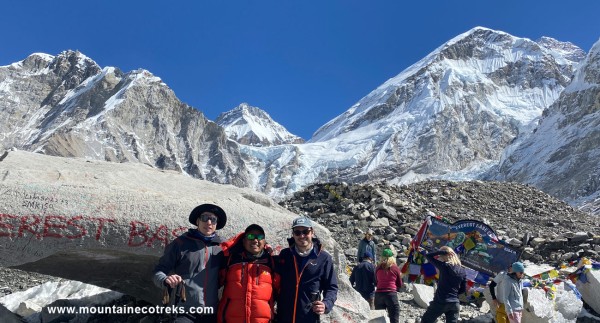
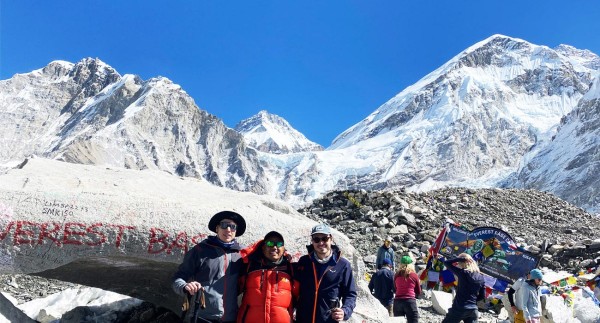
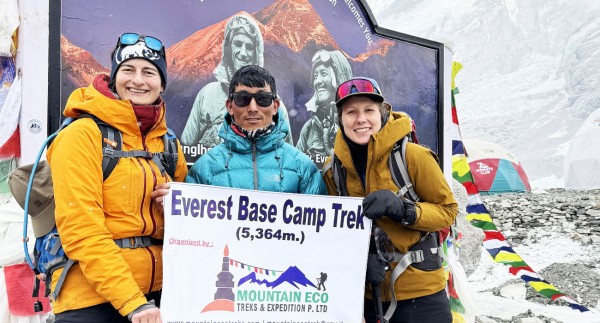
- Everest Base Camp (5,364 m) – stand at the foot of Mount Everest beside the shifting Khumbu Icefall
- Kala Patthar (5,545 m) – the trek's true summit viewpoint, offering the best close-up sunrise/sunset view of Everest's summit
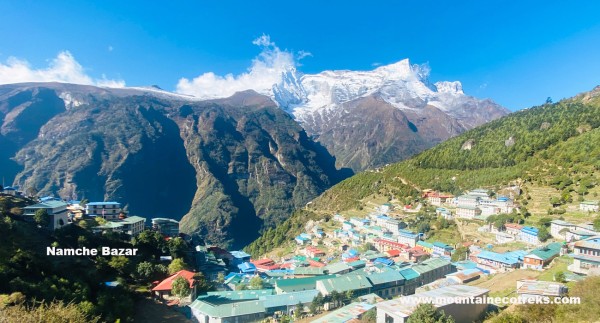
- Namche Bazaar – the bustling Sherpa capital with bakeries, gear shops, and mountain views
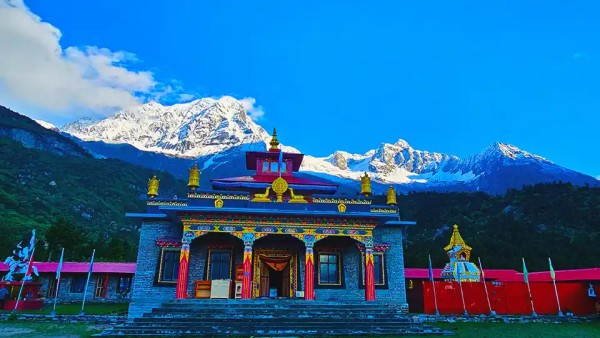
- Tengboche Monastery – the spiritual heart of the Khumbu, framed by Ama Dablam
- Khumbu Glacier & Icefall – walk alongside one of the most dramatic glacial landscapes on Earth
- Sagarmatha National Park – a UNESCO World Heritage Site of forests, glaciers, and rare Himalayan wildlife
- Sherpa culture – prayer flags, mani walls, chortens, and villages steeped in mountaineering history
- Lukla flight – one of the world's most thrilling short mountain flights, bookending the trek
Everest Base Camp Short Trek Difficulty
The 10-day route follows the standard EBC trail but skips one of the usual extra acclimatization days, so it's rated moderate to challenging — noticeably tougher than the standard 12–14 day version.
| Factor | Details |
|---|---|
| Difficulty Level | Moderate to Challenging |
| Maximum Altitude | 5,545 m (Kala Patthar) |
| Base Camp Altitude | 5,364 m |
| Daily Walking Hours | 5–7 hours (up to 8 hours on summit day) |
| Daily Distance | ~10–13 km |
| Total Trek Distance | ~130 km round trip |
| Altitude Sickness Risk | Moderate to High (fewer acclimatization days than standard itineraries) |
| Terrain | Rocky trails, suspension bridges, moraine, and high-altitude scree near Gorak Shep |
| Prior Trekking Experience Needed | Recommended — good cardiovascular fitness is essential |
Important: Because this itinerary compresses the acclimatization schedule, it carries a higher risk of altitude sickness than the standard 12–14 day EBC trek. It's best suited to trekkers who are already fit, have some high-altitude experience, and are willing to listen closely to their guide's pacing advice. Trekkers with no prior high-altitude experience may want to consider the 12-day version with an extra acclimatization night instead.
Everest Base Camp Short Trek Itinerary
| Day | Route | Altitude | Walking Time |
|---|---|---|---|
| 1 | Fly Kathmandu → Lukla, trek to Phakding | 2,650 m | 3–4 hrs |
| 2 | Phakding → Namche Bazaar | 3,440 m | 5–6 hrs |
| 3 | Namche Bazaar → Tengboche | 3,867 m | 5–6 hrs |
| 4 | Tengboche → Dingboche | 4,410 m | 5–6 hrs |
| 5 | Dingboche → Lobuche | 4,940 m | 5–6 hrs |
| 6 | Lobuche → Gorak Shep → Everest Base Camp → back to Gorak Shep | 5,364 m (EBC) / 5,164 m (Gorak Shep) | 7–8 hrs |
| 7 | Gorak Shep → Kala Patthar (sunrise) → descend to Pheriche | 5,545 m (Kala Patthar) / 4,240 m (Pheriche) | 7–8 hrs |
| 8 | Pheriche → Namche Bazaar | 3,440 m | 6–7 hrs |
| 9 | Namche Bazaar → Lukla | 2,860 m | 6–7 hrs |
| 10 | Fly Lukla → Kathmandu | 1,400 m | – |
Note: This itinerary starts and ends in Kathmandu; most operators add a Kathmandu arrival day before Day 1, effectively making it an 11-day trip including your international arrival. Confirm start/end dates with your chosen operator.
12-day alternative: adds one extra acclimatization night (usually at Namche Bazaar or Dingboche), significantly lowering altitude sickness risk — recommended for first-time high-altitude trekkers.
Everest Base Camp Short Trek Cost 2026–2027
| Package Type | Estimated Cost (USD, per person) |
|---|---|
| Budget Trek | $900 – $1,200 |
| Standard Trek | $1,200 – $1,500 |
| Luxury/Private Trek | $2,000 – $3,000+ |
What's usually included:
- Domestic flights (Kathmandu–Lukla–Kathmandu)
- Teahouse/lodge accommodation during the trek
- 3 meals a day while trekking
- Licensed English-speaking trekking guide and porter
- Sagarmatha National Park permit + Khumbu Pasang Lhamu Rural Municipality entry permit
- Kathmandu airport transfers
Usually excluded (budget separately):
- Nepal entry visa fee
- International flights
- Emergency/rescue and travel insurance
- Personal gear and trekking equipment
- Hot showers, Wi-Fi, and battery charging at higher villages
- Tips for guide and porter (customary and recommended)
Daily personal budget tip: carry roughly $25–$35/day in cash for extras like hot showers, snacks, and charging, since ATMs disappear after Namche Bazaar.
Permits Required
| Permit | Approx. Cost |
|---|---|
| Sagarmatha National Park Entry Permit | ~NPR 3,000 (~$22) |
| Khumbu Pasang Lhamu Rural Municipality Entry Fee | ~NPR 2,000 (~$15) |
Note: TIMS cards are not required in the Khumbu region since local municipality permits already cover the area — rules can change, so confirm with your operator before departure.
Best Time for the Everest Base Camp Short Trek
| Season | Months | Conditions |
|---|---|---|
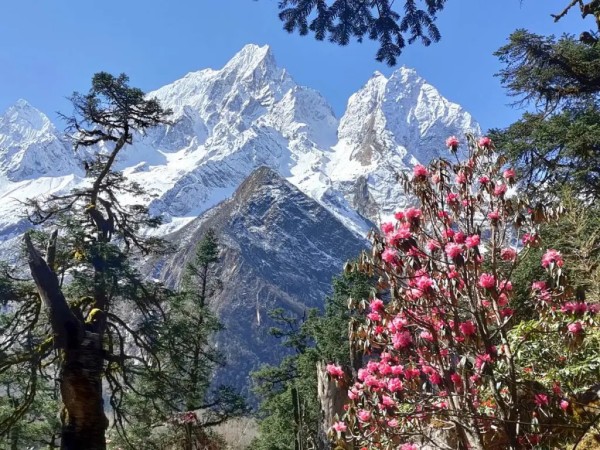
| Spring | March – May | Rhododendrons in bloom, clear skies, peak climbing season traffic |
| Autumn | September – November | Most popular season — stable weather and the clearest mountain views |
| Winter | December – February | Cold and quiet, with clear skies but freezing high-altitude nights |
| Monsoon | June – August | Rain, cloud cover, and leeches on lower trails — not recommended |
Packing List Essentials
- Layered clothing (thermal base layer, insulated mid-layer, down jacket)
- Waterproof/windproof outer shell
- Well broken-in, insulated trekking boots
- Four-season sleeping bag (rated to at least -15°C to -20°C)
- Trekking poles (highly recommended for the descent)
- Headlamp with spare batteries
- Water purification tablets or filter
- Sunglasses (UV-protective), sunscreen, and lip balm
- Basic first-aid kit including Diamox or altitude sickness medication (consult your doctor beforehand)
- Power bank, since charging costs extra at higher elevations
Frequently Asked Questions
1. How many days does the Everest Base Camp Short Trek actually take?
The trekking itself runs 10 days from Lukla back to Lukla, though most itineraries add a Kathmandu arrival day, making the full trip 10–11 days door to door.
2. Is the 10-day EBC trek harder than the standard 12–14 day trek?
Yes. Skipping an extra acclimatization day means less time for your body to adjust, so the 10-day version carries a higher altitude sickness risk and demands better baseline fitness.
3. What is the maximum altitude on this trek?
Kala Patthar, at 5,545 m, is the highest point most trekkers reach — slightly higher than Everest Base Camp itself at 5,364 m.
4. How much does the Everest Base Camp Short Trek cost?
Budget packages start around $900–$1,200, standard guided treks run $1,200–$1,500, and luxury/private options can exceed $2,000–$3,000 per person.
5. Do I need prior trekking experience for the short EBC trek?
It's not mandatory, but strongly recommended. Good cardiovascular fitness and, ideally, some prior high-altitude hiking experience make the compressed schedule much more manageable.
6. What permits are required?
You'll need a Sagarmatha National Park entry permit and a Khumbu Pasang Lhamu Rural Municipality entry fee; most operators arrange both as part of the package.
7. When is the best time to do the short EBC trek?
Spring (March–May) and autumn (September–November) offer the most stable weather and best mountain visibility.
8. Is altitude sickness a serious concern on this route?
Yes — more so than on longer itineraries. Trekkers should ascend gradually, stay hydrated, avoid alcohol, and inform their guide immediately if symptoms like headache, nausea, or dizziness appear.
9. What is the accommodation like along the trail?
Trekkers stay in teahouses/lodges with shared bathrooms, basic bedding, and hearty meals; hot showers and Wi-Fi are usually available for a small extra charge.
10. Can I do the trek without a guide or porter?
Independent trekking is technically possible, but a licensed guide is highly recommended for safety, navigation, and altitude monitoring, especially on this faster-paced itinerary.
11. What's the difference between EBC Short Trek and EBC with Helicopter Return?
The Helicopter Return option treks up to Base Camp as normal but flies back from Gorak Shep or Namche instead of walking down, saving 2–3 days versus a full round-trip on foot.
12. Is travel insurance necessary?
Yes — insurance covering high-altitude trekking, medical treatment, and helicopter evacuation is essential and often required by trekking agencies for this route.
Conclusion
The Everest Base Camp Short Trek (10 Days) is built for trekkers who want the full Everest Base Camp experience — Kala Patthar sunrise, the Khumbu Icefall, Sherpa villages, and Tengboche Monastery — without taking two full weeks off work. It follows the exact same legendary trail as the classic EBC trek, just on a tighter acclimatization schedule, which means it rewards trekkers who arrive fit and take the altitude seriously.
If you're confident in your fitness and comfortable with a faster pace, this itinerary delivers one of the world's greatest trekking achievements in the shortest realistic timeframe. If you're newer to high-altitude trekking, it's worth weighing the 12-day version with an extra acclimatization day, since a single additional night can meaningfully reduce your altitude sickness risk without adding much to your overall trip length.
Whichever version you choose, book with a licensed, experienced local operator, prepare your body in the weeks beforehand, and budget honestly for extras — and you'll come home with a Everest Base Camp story that lasts a lifetime.
Recent From Blog

19th Apr, 2019


23rd Dec, 2018

11th Jan, 2024

14th Jan, 2024

29th Jan, 2025

11th Feb, 2025

18th Feb, 2025

25th Feb, 2025

5th Apr, 2025
23rd Dec, 2025
9th May, 2026
12th Jul, 2026

13th Aug, 2026
13th Aug, 2026
13th Aug, 2026

16th Aug, 2026
20th Aug, 2026


11th Sep, 2026
24th Sep, 2026
25th Sep, 2026
5th Oct, 2026
6th Oct, 2026