
Everest Base Camp Short Trek: The Complete 10-Day Itinerary Guide (2026)
15th Jul, 2026

You don't need three weeks off work to stand at the foot of the world's highest mountain. The Everest Base Camp Short Trek takes the legendary Khumbu journey and condenses it into a tighter, faster-moving 10-day itinerary, built for trekkers who already have solid fitness, some high-altitude experience under their belt, and a limited travel window.
Table of Contents
Run by Mountain Eco Treks, this fast-paced version of the classic Everest Base Camp (EBC) trek keeps everything that makes the standard route special. You'll still get the Lukla flight, Namche Bazaar, Tengboche Monastery, Everest Base Camp itself, and sunrise from Kala Patthar. What changes is the pace: we trim the extra rest days that usually stretch the trek out to two weeks.
This guide walks you through everything you need before booking: the day-by-day route, distances and altitudes, how hard it actually is, when to go, and what it costs in 2026.
What Is the Everest Base Camp Short Trek?
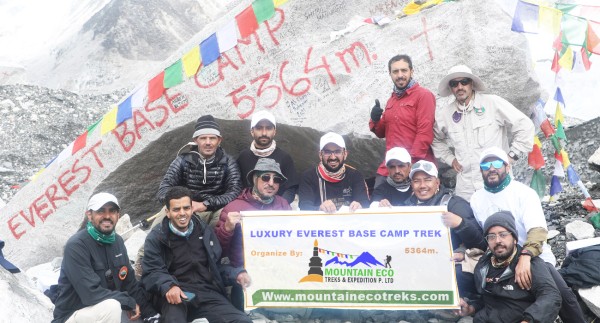
Put simply, it's a 10-day version of the classic EBC route through Nepal's Khumbu region, finishing at Everest Base Camp (5,364m) and the Kala Patthar viewpoint (5,545m). The main difference from the standard 12–14 day itinerary is the acclimatization schedule, which is condensed. That's why this route works best for trekkers who've already spent time at altitude, or who have above-average cardiovascular fitness.
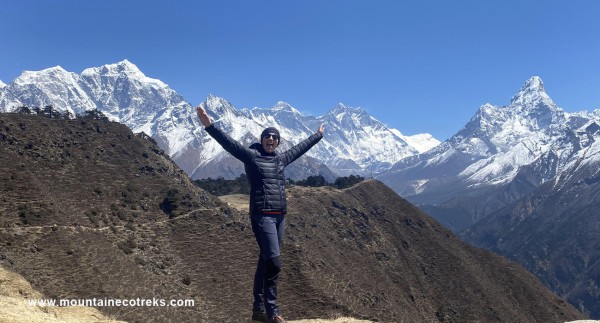
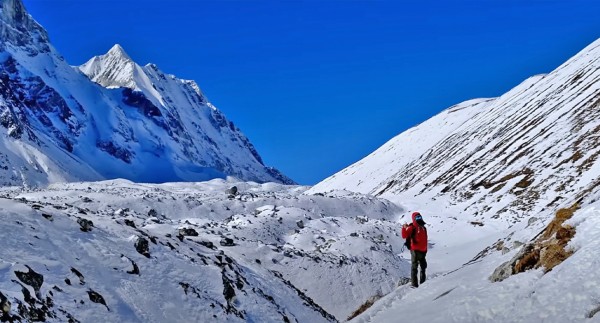
Your journey starts with a scenic mountain flight to Lukla, flying out of either Kathmandu or Ramechhap depending on the season. From there, the trail follows the Dudh Koshi River valley through rhododendron forest, over suspension bridges, and through Sherpa villages. Along the way, you'll get close-up views of Ama Dablam, Nuptse, and Lhotse before the final push to base camp and the sunrise climb to Kala Patthar.
Because you're moving through altitude zones quickly, this route is really meant for seasoned trekkers, not people attempting high altitude for the first time. It's honest work, and it rewards people who show up prepared.
If you'd rather take the same route at a gentler pace with more comfort along the way, Mountain Eco Treks also runs the Everest Base Camp Luxury Trek.
Everest Base Camp Short Trek: Key Facts and Statistics
If you're comparing this against other Everest trekking packages, here's the trek at a glance:
| Statistic | Detail |
|---|---|
| Maximum altitude | 5,545 m (Kala Patthar) |
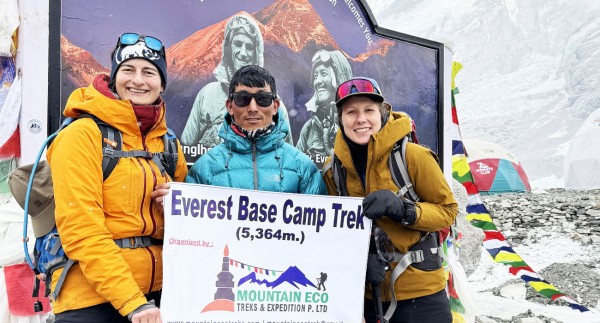
| Everest Base Camp altitude | 5,364 m |
| Starting point | Lukla, 2,860 m |
| Total trekking distance | Approximately 130 km round trip |
| Average daily walking time | 5 to 7 hours |
| Total elevation gain (Lukla to Kalapatthar) | Roughly 2,685m |
| Trek duration | 9 to 10 days on trail (11 to 12 days including buffer/rest days) |
| Sagarmatha National Park established | 1976 |
| UNESCO World Heritage designation | 1979 |
These numbers aren't just trivia. They're the reason this itinerary needs to be trained for and paced with more care than the classic route.
EBC Short Trek Highlights
- A fast, focused Himalayan challenge - reach Everest Base Camp in just 10 days, built for experienced trekkers working with a tight travel schedule.
- One of the world's most scenic flights - touch down at Tenzing-Hillary Airport in Lukla, the traditional gateway to the Khumbu region.
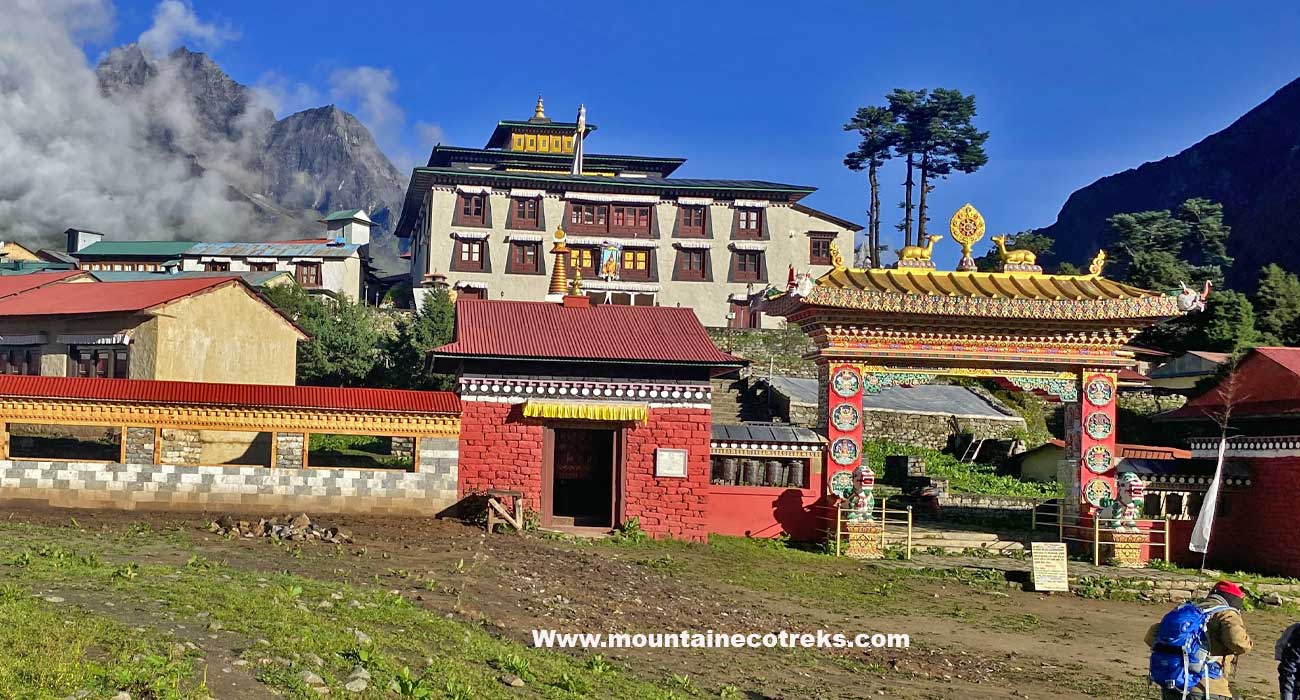
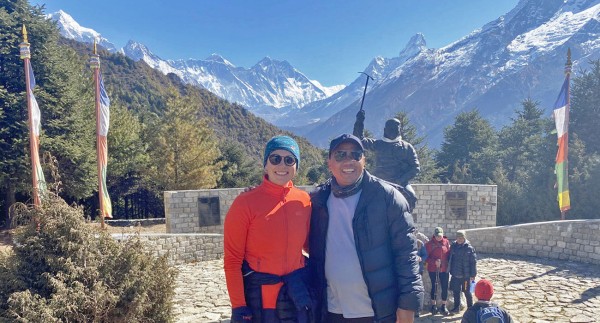
- Authentic Sherpa culture - walk through Namche Bazaar and Tengboche, home to centuries-old monasteries, bustling teahouses, and genuine Himalayan hospitality.
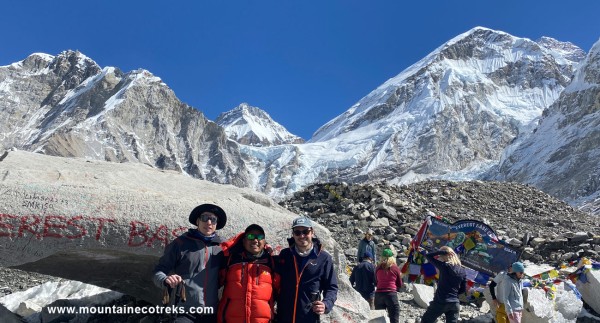
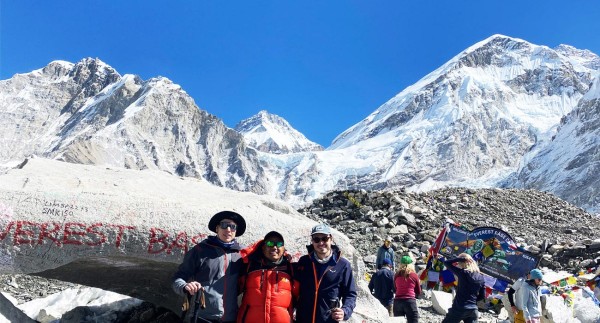
- Everest Base Camp (5,364m) - stand on the same ground once crossed by Tenzing Norgay and Edmund Hillary.
- Sunrise at Kala Patthar (5,545m) - arguably the best vantage point in the Khumbu, with unbroken views of Everest, Lhotse, and Nuptse.
- Sagarmatha National Park - trek through a UNESCO World Heritage site of glacial rivers, rhododendron forest, and snow-capped peaks.
- A genuine test of fitness - with minimal built-in rest days, this is the version of the EBC trail for trekkers chasing the classic route at a demanding pace.
Who Is This Trek For?
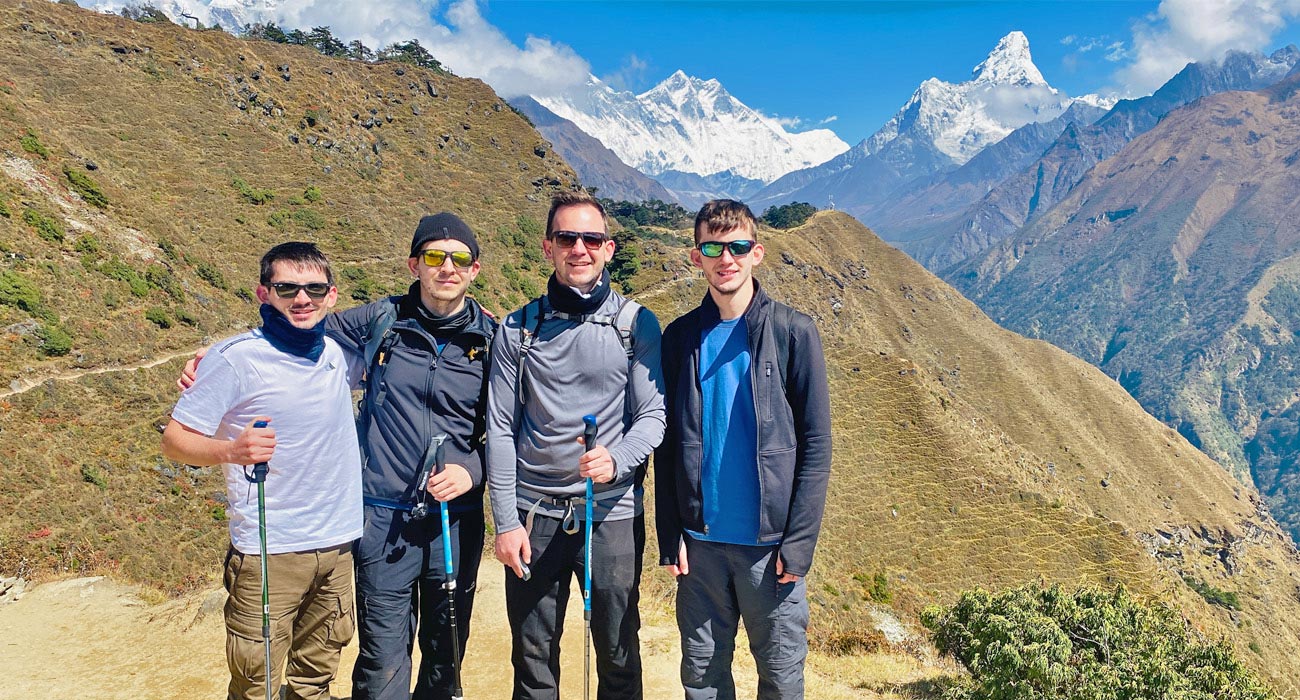
Not everyone is a good fit for a condensed, high-altitude itinerary, so let's be direct about who this route suits and who it doesn't.
This trek is a good match if you're:
- An experienced hiker working with limited vacation time
- Someone who's already spent time above 4,000 meters elsewhere
- An adventure traveler with a solid, consistent fitness base
- A repeat visitor to Nepal looking for a faster-paced Khumbu trekking experience
- Someone who wants the classic Everest Base Camp route, just in fewer days
It's probably not the right choice if you're:
- Trekking at high altitude for the first time
- Traveling with young children
- Without a regular training or cardio routine
- Uncomfortable with the idea of consecutive long trekking days at altitude
If you see yourself in that second list, don't worry, the standard 12–14 day Everest Base Camp itinerary or a slower-paced package is almost always the smarter starting point.
Everest Base Camp Short Trek Difficulty
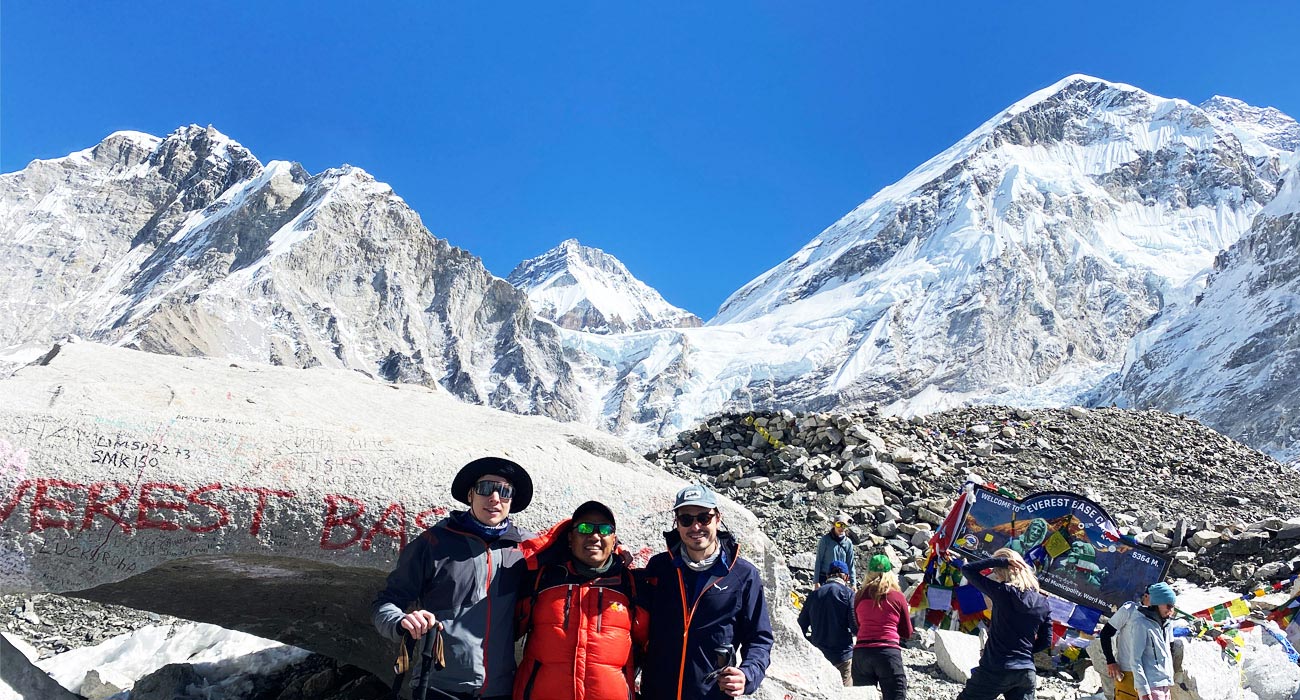
Let's be upfront: this is a strenuous, high-altitude trek, not a casual walk in the hills. There's no technical climbing involved, but you're looking at steep ascents, long trekking days of 5 to 7 hours, and rapid elevation gain, from Lukla at 2,860m to Everest Base Camp at 5,364m in roughly a week.
Because this itinerary cuts down on the acclimatization days built into the classic route, the risk of Acute Mountain Sickness (AMS) runs higher than on longer itineraries. Symptoms can range from headaches and nausea to dizziness, and in severe cases, altitude illness can turn dangerous if ignored. That's why we recommend this trek mainly to people who already have:
- Experience trekking above 4,000–5,000 meters
- A consistent pre-trek cardio and strength training routine
- A realistic understanding of altitude symptoms and when to turn back
New to high-altitude trekking? The standard 12–14 day Everest Base Camp itinerary, with its built-in acclimatization stops, is the safer place to start.
Distance, Duration, and Altitude Breakdown
The route runs from Lukla through Namche Bazaar, Tengboche, Dingboche, and Gorak Shep before reaching Everest Base Camp, with total trekking time typically falling between 10 and 14 days depending on your pace and the weather. On the toughest stretches, daily elevation gains can top 1,000 meters.
| Route Segment | Distance | Trek Duration | Altitude |
|---|---|---|---|
| Lukla → Phakding | 8 km | 3–4 hrs | 2,610 m |
| Phakding → Namche Bazaar | 10.5 km | 6–7 hrs | 3,440 m |
| Namche Bazaar → Tengboche | 9.5 km | 5–6 hrs | 3,867 m |
| Tengboche → Dingboche | 8.5 km | 5–6 hrs | 4,410 m |
| Dingboche → Lobuche | 7 km | 4–5 hrs | 4,940 m |
| Lobuche → Gorak Shep | 4.5 km | 3–4 hrs | 5,164 m |
| Gorak Shep → Everest Base Camp | 3.5 km | 3–4 hrs | 5,364 m |
| Gorak Shep → Pheriche | 12 km | 6–7 hrs | 4,371 m |
| Pheriche → Namche Bazaar | 19 km | 6–7 hrs | 3,440 m |
| Namche Bazaar → Lukla | 18.5 km | 6–7 hrs | 2,860 m |
The core route looks like this: Lukla → Phakding → Namche Bazaar → Tengboche → Dingboche → Lobuche → Gorak Shep, with a same-day push to Everest Base Camp followed by a pre-dawn climb to Kala Patthar before you start heading back down.
Short Trek vs. Classic Everest Base Camp Trek
Trying to decide between this itinerary and the standard route? Here's how they stack up side by side:
| Feature | Short Trek (10 Days) | Classic Trek (14 Days) |
|---|---|---|
| Duration | 10 days | 12–14 days |
| Acclimatization | Limited, built-in rest days reduced | More gradual, extra acclimatization stops |
| Difficulty | Strenuous | Moderate to strenuous |
| AMS risk | Higher | Lower |
| Best suited for | Experienced, time-limited trekkers | Most trekkers, including first-timers |
| Cost | Generally lower | Generally higher |
Looking for a middle ground? The Everest Base Camp Trek with Helicopter Return offers a similar front-half itinerary with a faster way back down.
Prefer the classic pace but with a bit more comfort along the way? The Everest Base Camp Luxury Trek follows the same schedule as the standard route, just with upgraded lodges and better meals.
Why Choose the Short Everest Base Camp Trek?
It saves you time. If you're working with a tight schedule, this is the trek for you. At roughly 9 to 10 trekking days, you don't have to sacrifice any of the major highlights to fit the journey into a shorter window. Reach Everest Base Camp (5,364m) and get back home without burning through weeks of vacation time.
The views don't get scaled down, just the schedule. You'll still see Everest (8,848m), Lhotse (8,516m), Nuptse (7,861m), and Ama Dablam (6,812m), along with the Khumbu Glacier and its dramatic icefall.
It's built for capable, experienced trekkers. This pace rewards people who show up fit and altitude-aware, rather than those looking for a gentle introduction to the Himalayas.
It costs less than the extended or luxury options. Fewer trekking days means fewer nights of accommodation, fewer meals, and less time on guide and porter fees. That makes the short trek typically more affordable than longer or upgraded packages like the Everest Base Camp Luxury Trek, without cutting a single major highlight from the route.
How to Prepare for the Everest Base Camp Short Trek
Because this itinerary compresses the acclimatization schedule, how you prepare matters more here than it does on the standard route. A few months of focused training genuinely changes how your trek goes.
Cardio training. Build a base of running, cycling, or swimming several times a week, ideally starting two to three months out, to raise your baseline endurance for back-to-back long trekking days.
Stair climbing and hill walking. Nothing replicates Khumbu trail conditions quite like repeated elevation gain. Stair climbing with a loaded daypack conditions your legs and lungs for the steep sections between Namche Bazaar and Tengboche.
Strength training. Focus on legs, core, and back so you can handle uneven terrain and a daypack over multiple long days in a row.
Practice walking with a daypack. Break in your boots and get used to carrying weight over distance well before you're actually on the trail.
Hydration habits. Altitude increases fluid loss, so build the habit of drinking consistently in the weeks before your trek. It helps your body adjust faster once you're on the mountain.
Altitude awareness. Learn the early signs of Acute Mountain Sickness before you go. On a short itinerary especially, listening to your body and speaking up to your guide matters more than usual.
Everest Base Camp Short Trek Cost (2026)
For 2026, the Everest Base Camp Short Trek with Mountain Eco Treks runs approximately USD 1,250 to USD 1,580 per person, depending on group size, season, and which service level you choose (Budget or Standard).
Your package typically includes:
- Domestic airfare between Kathmandu/Ramechhap and Lukla
- Teahouse accommodation throughout the trek
- Meals during the trekking days
- An experienced trekking guide and porter support
- Required permits, including Sagarmatha National Park entry and the local rural municipality fee
Going independent (without a guide) might look cheaper on paper, but you'll need to sort out permits, lodging, and food yourself, and you'll be doing it without a guide who knows how to manage altitude risk.
Because pricing shifts with group size and season, it's best to reach out for a current quote. Mountain Eco Treks offers this itinerary across three service tiers, Budget, Standard, and Luxury, so you can match the trek to your own comfort level and budget. You'll find the full breakdown in the Cost Includes and Excludes section of the package page.
So why does the price swing so much? A few things move the number: group size (private treks cost more per person than group departures), the season (peak spring and autumn dates see more demand), your accommodation category, domestic flight availability between Kathmandu and Lukla, the guide-to-client ratio, and whether you go with Budget or Standard service. Two trekkers on the exact same route in the exact same month can end up with different quotes just based on these factors.
Important Note: Lukla Flight Schedule Changes
During peak trekking seasons, March to May and October to November, flights to Lukla are often rerouted through Ramechhap (Manthali) Airport instead of Kathmandu. This happens because of air traffic congestion at Tribhuvan International Airport. Direct Kathmandu–Lukla flights typically pick back up outside these busier windows.
If your trek falls during a Manthali-routing period, plan for an early start: a 1–2 AM hotel departure from Kathmandu, followed by a 3–4 hour drive to Ramechhap ahead of the morning flight. Mountain Eco Treks builds this into your trip logistics well in advance, so there shouldn't be any surprises on departure day.
Safety Information for the Short EBC Trek
On a compressed high-altitude itinerary, safety is the single biggest thing to plan around. Here's what you should know before you go:
Acute Mountain Sickness (AMS). With fewer built-in acclimatization days, AMS risk runs higher on this route. Your guide checks in daily for symptoms like headache, nausea, fatigue, and dizziness, and will adjust the pace or descend if needed.
Guide support. Every group travels with experienced, government-licensed guides trained in altitude management, first aid, and emergency response throughout the Khumbu region.
Rescue procedures. Teahouses and checkpoints along the route have access to helicopter rescue in a medical emergency. Guides carry communication equipment and know how to coordinate a fast evacuation if it comes to that.
Oxygen availability. Supplemental oxygen and basic altitude-related first aid supplies are available at higher-altitude lodges and through your guide, though neither replaces proper acclimatization and paying attention to your own body.
Travel insurance. You'll need comprehensive travel insurance covering high-altitude trekking and helicopter evacuation up to at least 6,000 meters. Double-check your policy actually covers the altitude and activity before you leave home.
Weather delays. Lukla flights depend on weather and can be delayed or cancelled, especially during monsoon season. Building a buffer day into your travel schedule before and after the trek is a smart move.
Best Time to Trek Everest Base Camp
Autumn (September–November) is generally considered the best season for the Everest Base Camp Short Trek. Expect clear skies, dry and stable trails, and some of the sharpest mountain views you'll get all year.
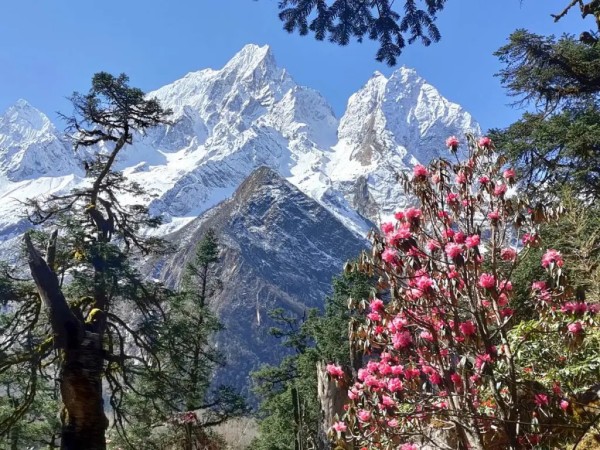
Spring (March–May) is a close second. Rhododendron forests bloom, daytime temperatures sit at a comfortable level, and snow-blocked trails are less of a worry. Spring also overlaps with Everest expedition season, so you may spot climbing teams and tents at base camp itself.
Winter (December–February) works for cold-hardy trekkers, but temperatures can drop to -20°C or
About This Itinerary
This itinerary is designed by the local trekking experts at Mountain Eco Treks, a licensed Nepal trekking company with years of experience guiding trekkers safely to Everest Base Camp. Our guides are government-licensed professionals who know the Khumbu region and high-altitude trekking inside out, along with the logistics that make a compressed itinerary like this one work safely.
Conclusion
The Everest Base Camp Short Trek is a focused, 10-day route through the Khumbu, built for trekkers who already have the fitness and altitude experience to handle a faster pace. It hits the same landmarks as the classic Everest Base Camp itinerary: Namche Bazaar, Tengboche, Everest Base Camp itself, and sunrise from Kala Patthar, just in a shorter, more demanding window.
If that sounds like your kind of trip, this guided Everest Base Camp trek is one of the most efficient ways to trek to Everest Base Camp Nepal has to offer. If you're newer to high-altitude trekking, the classic itinerary is worth a look instead. Either way, reach out to Mountain Eco Treks, and we'll help you figure out which Everest Base Camp trekking package fits your experience, timeline, and goals.
Ready to plan your trek? Contact Mountain Eco Treks today for a personalized 2026 itinerary and price quote.
Recent From Blog

19th Apr, 2019


23rd Dec, 2018

11th Jan, 2024

14th Jan, 2024

29th Jan, 2025

11th Feb, 2025

18th Feb, 2025

25th Feb, 2025

5th Apr, 2025
23rd Dec, 2025
9th May, 2026
12th Jul, 2026

13th Aug, 2026
13th Aug, 2026
13th Aug, 2026

16th Aug, 2026
20th Aug, 2026


11th Sep, 2026
24th Sep, 2026
25th Sep, 2026
5th Oct, 2026
6th Oct, 2026
11th Oct, 2026