
Everest Base Camp vs Annapurna Base Camp Trek: Which One Should You Choose in 2026?
26th Aug, 2026
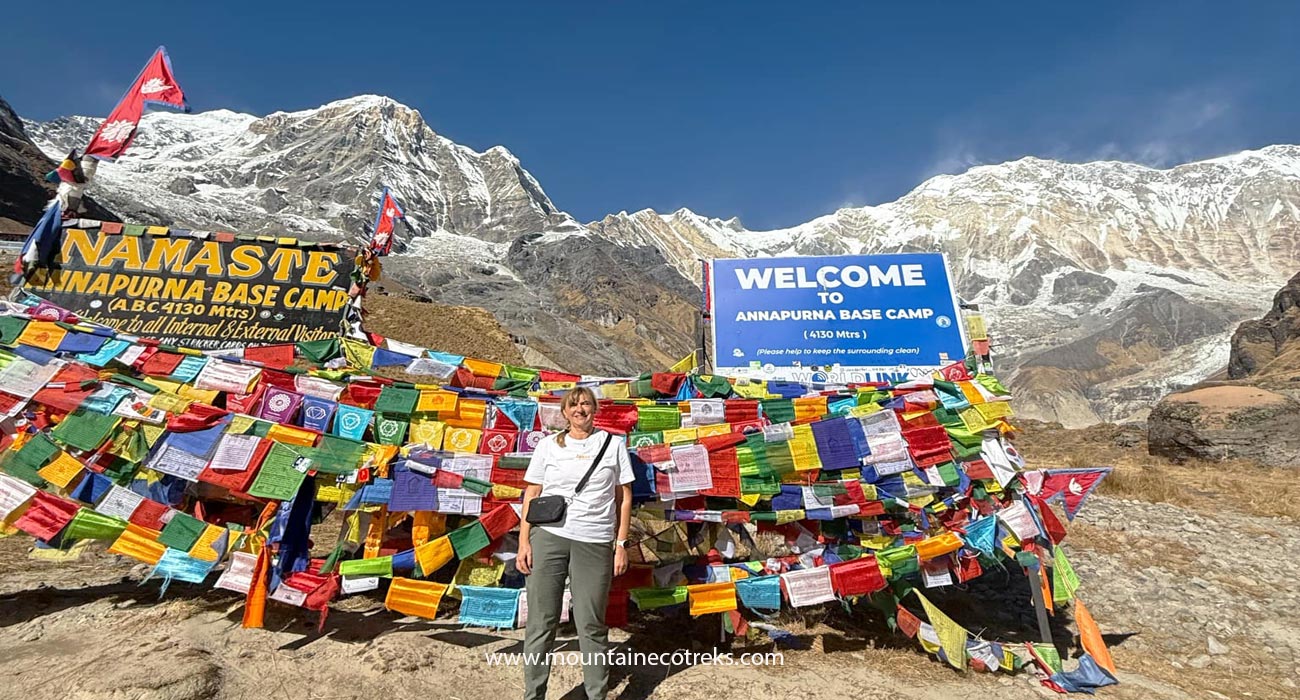
Two treks dominate almost every "bucket list Nepal" search: the Everest Base Camp Trek and the Annapurna Base Camp Trek. Both deliver world-class Himalayan scenery, both are teahouse treks that don't require camping gear, and both are achievable without technical climbing skills. Yet they're surprisingly different journeys once you look past the headline names.
Table of Contents
At Mountain Eco Treks and Expedition, this is one of the questions we field most often from first-time visitors to Nepal: "Should I do Everest Base Camp or Annapurna Base Camp?" Here's an honest, side-by-side breakdown to help you decide.
Quick Comparison at a Glance
| Factor | Everest Base Camp Trek | Annapurna Base Camp Trek |
|---|---|---|
| Max Altitude | ~5,364 m (EBC); ~5,545 m at Kala Patthar viewpoint | ~4,130 m |
| Typical Duration | 12–16 days | 7–12 days |
| Trek Start | Fly to Lukla | Drive/fly to Pokhara, then trailhead |
| Acclimatization Days | Required (Namche Bazaar, Dingboche) | Not strictly required |
| Difficulty | Strenuous, high-altitude | Moderate |
| Best For | Experienced or fit trekkers | Beginners, families, shorter holidays |
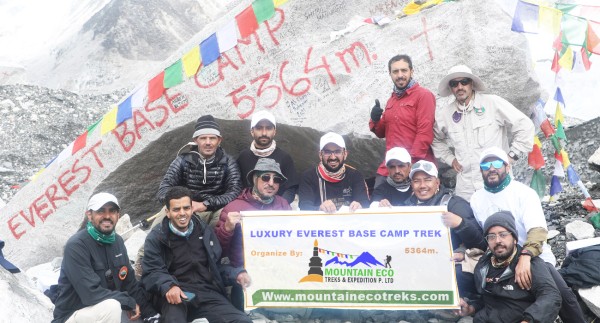
A quick correction worth flagging: Kala Patthar, the famous Everest sunrise viewpoint, is commonly measured at 5,545 meters (18,192 ft) — not higher figures sometimes quoted online. Everest Base Camp itself sits at roughly 5,364 m. Getting this number right matters, because it's the single figure most trekkers use to judge whether they're fit enough for the trip.
Altitude and Acclimatization
This is the biggest practical difference between the two treks.
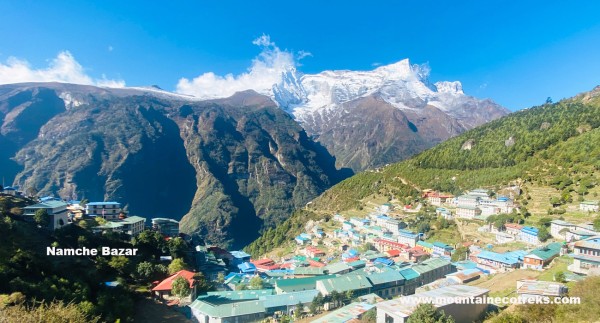
The Everest Base Camp trek spends multiple days above 4,000 m and peaks near 5,545 m at Kala Patthar. Because of this, a well-designed itinerary builds in at least two dedicated acclimatization days — typically in Namche Bazaar (3,440 m) and Dingboche (4,410 m) — where you rest and take a short acclimatization hike rather than pushing higher altitude gains too quickly.
The Annapurna Base Camp trek tops out at around 4,130 m, which is high enough to require sensible pacing but rarely triggers the kind of serious altitude sickness that's a real risk near 5,000 m+. Most itineraries don't build in a formal acclimatization day, since the ascent profile is gentler.
Bottom line: if you're new to high-altitude trekking, Annapurna Base Camp is the gentler introduction. If you've already trekked above 3,500–4,000 m and want a bigger challenge, Everest Base Camp is a natural next step.
Difficulty and Fitness Level
Everest Base Camp is the more physically demanding of the two. Days are longer, the terrain is rockier and more exposed, and the effects of thinner air at altitude make even moderate walking feel harder. Good baseline fitness — regular cardio training for at least two to three months beforehand — makes a real difference here.
Annapurna Base Camp involves plenty of steep stone staircases (particularly around Ulleri and Chhomrong) but stays at a lower elevation throughout, so the physical demand is more about leg strength and stamina than altitude tolerance.
Cost Differences
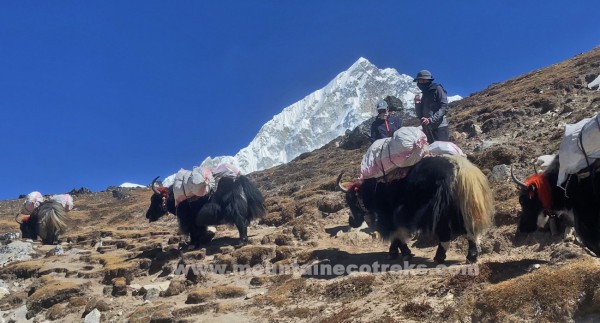
Everest Base Camp is generally the pricier of the two treks, largely because of the Lukla flight — a short but expensive mountain flight that's the standard gateway into the Khumbu region. Prices for goods, food, and accommodation along the trail also rise the higher you climb, since everything is carried in by porter or yak.
Annapurna Base Camp is more budget-friendly. Pokhara is reachable by road or a comparatively cheaper flight, transport of supplies is easier along the trail, and teahouse prices tend to run lower throughout.
Scenery and Landscape
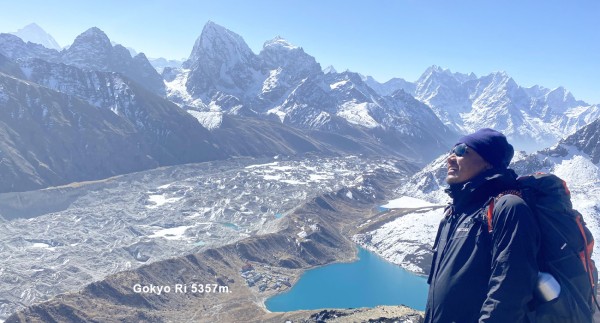
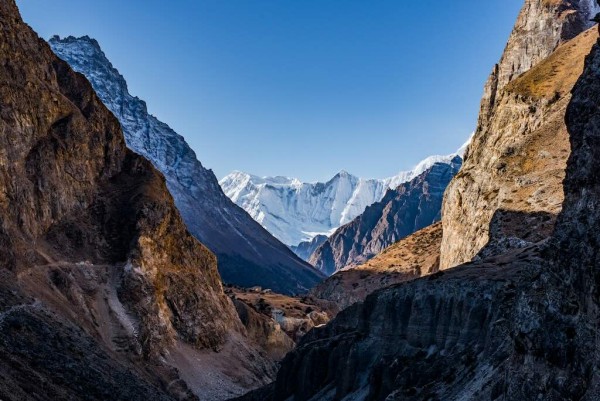
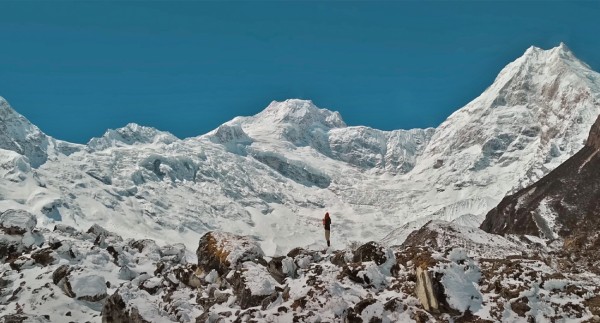
Everest region trekking delivers a concentrated wall of giants: Everest itself (8,849 m), Lhotse (8,516 m), and Cho Oyu (8,188 m) are all visible from parts of the route, alongside Ama Dablam, Nuptse, and Pumori. The landscape turns increasingly stark and high-alpine as you approach base camp — glacial moraine, rock, and ice.
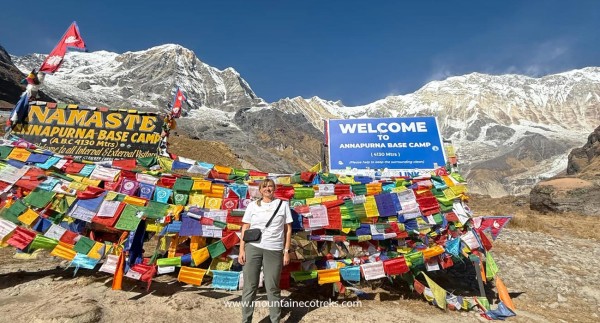
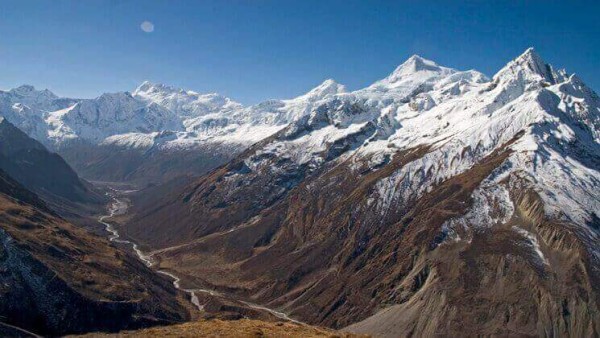
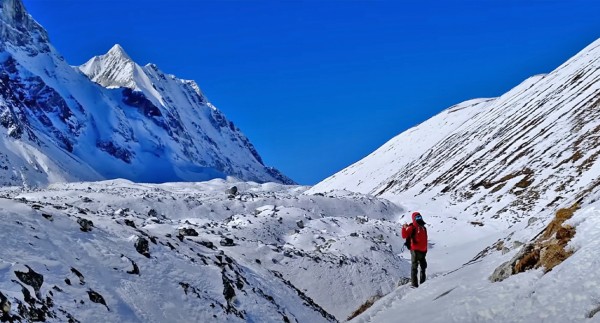
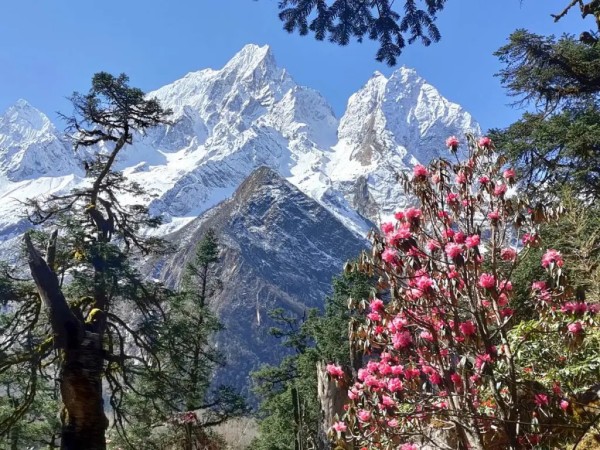
Annapurna Base Camp trades some of that sheer scale for variety: rhododendron and bamboo forests, terraced farmland, waterfalls, and river valleys lead up to a dramatic natural amphitheater ringed by Annapurna I (8,091 m), Machhapuchhre (Fishtail, 6,993 m), and Hiunchuli. Many trekkers find this route visually softer but no less spectacular.
Culture Along the Trail
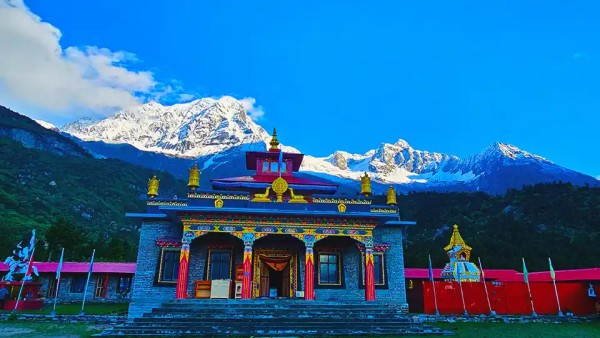
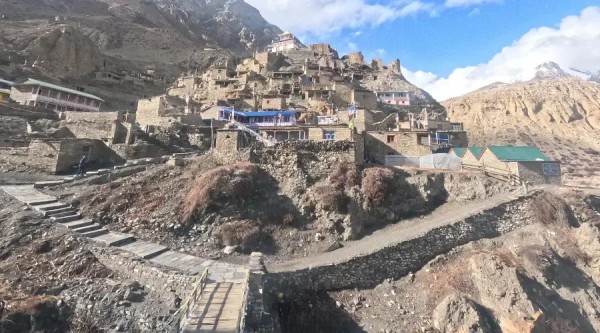
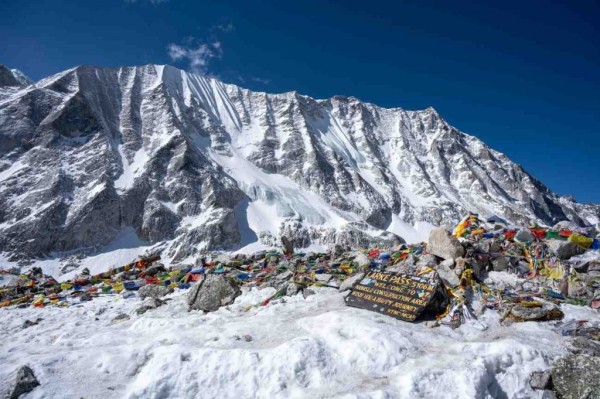
The Everest region is Sherpa heartland, shaped by centuries of Tibetan Buddhist tradition — monasteries, prayer wheels, mani walls, and colorful prayer flags mark the trail, especially around Namche Bazaar and Tengboche.
The Annapurna region is more ethnically diverse, passing through Gurung and Magar villages along with Brahmin and Chhetri communities lower down. Hindu festivals and traditions are more prominent here than in the Everest region.
Best Season for Each Trek
Both treks share the same two prime windows:
- Autumn (late September–November): The most popular season for both treks, with stable weather, clear mountain views, and (for Annapurna in particular) the Dashain and Tihar festival season.
- Spring (March–May): Warmer temperatures and blooming rhododendron forests, especially spectacular on the Annapurna side.
Winter and monsoon season are possible on both routes but come with added challenges — heavy snow and cold on the Everest side, and leeches, cloud cover, and slippery trails on the Annapurna side during monsoon.
So, Which Trek Should You Choose?
Choose Everest Base Camp if:
- Standing at the foot of the world's highest mountain is a personal goal
- You want a high-altitude challenge and have roughly two weeks free
- You're already comfortable trekking above 3,500–4,000 m
- Sherpa culture and Buddhist monastery life appeal to you
Choose Annapurna Base Camp if:
- You're trekking in Nepal for the first time
- You have a shorter window (under 10 days) or a tighter budget
- You'd prefer forested, greener scenery over high-alpine terrain
- You want a taste of the Himalayas without heavy altitude risk
There's no wrong answer — both routes are among the best treks on Earth. The right one depends on your fitness, timeline, and what kind of Himalayan experience you're after.
At Mountain Eco Treks and Expedition, our guides can help you weigh your specific fitness level, available time, and travel dates to match you with the right trek — including custom itineraries that combine elements of both regions for returning trekkers. Explore the full itinerary, fixed departures, and trip cost for our 14-Day Everest Base Camp Trek or our Annapurna Base Camp Trek, and reach out anytime to start planning.
Frequently Asked Questions
1. Which trek is better, Everest Base Camp or Annapurna Base Camp?
It depends on your fitness and goals. Everest Base Camp suits trekkers wanting a bigger high-altitude challenge and Sherpa culture, while Annapurna Base Camp suits those wanting a shorter, gentler trek with greener scenery. Browse both itineraries — the Everest Base Camp Trek and Annapurna Base Camp Trek — to compare day-by-day plans before deciding.
2. Is Everest Base Camp Trek harder than Annapurna Base Camp Trek in 2026?
Yes. Everest Base Camp reaches roughly 5,364 m (with Kala Patthar at 5,545 m), requiring proper acclimatization, while Annapurna Base Camp tops out around 4,130 m and is considerably less demanding.
3. How much does the Everest Base Camp Trek cost compared to Annapurna Base Camp?
Everest Base Camp is generally pricier due to the Lukla flight and higher-altitude logistics, while Annapurna Base Camp is more budget-friendly with road access to Pokhara. Check current 2026 pricing and inclusions on our Everest Base Camp Trek page and Annapurna Base Camp Trek page.
4. Which trek is best for beginners: EBC or ABC?
Annapurna Base Camp is the better starting point for first-time trekkers thanks to its lower altitude, shorter duration, and easier acclimatization profile.
5. Can I book the Everest Base Camp or Annapurna Base Camp Trek for 2026 now?
Yes, both treks have fixed departures and custom start dates available for 2026. You can view detailed itineraries and reserve your spot directly through the Everest Base Camp Trek or Annapurna Base Camp Trek trip pages.
6. How many days does each trek take?
The Everest Base Camp Trek typically runs 12–16 days (our itinerary is 14 days), while Annapurna Base Camp usually takes 7–12 days depending on the route and starting point.
7. What is the best season to trek Everest Base Camp or Annapurna Base Camp in 2026?
Autumn (late September–November) and spring (March–May) are the best seasons for both treks, offering the clearest mountain views and most stable weather.
8. Do I need travel insurance for Everest Base Camp or Annapurna Base Camp Trek?
Yes, travel insurance covering high-altitude trekking and emergency evacuation is strongly recommended for both, and mandatory for Everest Base Camp given its higher elevation.
9. Which trek has a higher chance of altitude sickness?
Everest Base Camp carries a higher risk due to its elevation above 5,000 m, while Annapurna Base Camp's lower altitude makes serious altitude sickness less common, though not impossible.
10. Can Mountain Eco Treks and Expedition customize either trek for my group?
Yes — private departures, extra acclimatization days, and combined Everest-Annapurna itineraries can all be arranged. Get in touch after reviewing the Everest Base Camp Trek or Annapurna Base Camp Trek itinerary to request a custom quote.
Recent From Blog

19th Apr, 2019


23rd Dec, 2018

11th Jan, 2024

14th Jan, 2024

29th Jan, 2025

11th Feb, 2025

18th Feb, 2025

25th Feb, 2025

5th Apr, 2025
23rd Dec, 2025
9th May, 2026
12th Jul, 2026

13th Aug, 2026
13th Aug, 2026
13th Aug, 2026

16th Aug, 2026
20th Aug, 2026


11th Sep, 2026
24th Sep, 2026
25th Sep, 2026
5th Oct, 2026
6th Oct, 2026