
Short Manaslu Circuit Trek Cost: Complete Guide (2026/27)
2nd Oct, 2026
Short Manaslu Circuit Trek Cost at a Glance
The 11-day Short Manaslu Circuit Trek with Mountain Eco Treks costs US$1,485 per person on the Standard Plan and US$1,050 per person on the Budget Plan. Both prices include your permits, a licensed guide, three meals a day on the trail, teahouse lodging and government taxes. The difference comes down to transport, Kathmandu accommodation and porter service.
Table of Contents
That is a competitive price for a restricted-area Himalayan trek. Third-party guides put the typical Manaslu Circuit cost at roughly US$900 to US$2,200 per person in 2026/27, depending on the operator, itinerary and what is included.
This guide breaks down exactly what you pay for, what is not included, how permits work, what a realistic total budget looks like and how to save money without cutting corners on safety.
Price Summary: Standard vs Budget
| Standard Plan | Budget Plan | |
|---|---|---|
| Price per person | US$1,485 | US$1,050 |
| Approximate cost per day (11 days) | About US$135 | About US$95 |
| Kathmandu hotel | 2 nights, 3-star, with breakfast | Not included |
| Ground transport | Private vehicle, Kathmandu to Machha Khola and Tilje to Kathmandu | Public transport, Kathmandu to Machha Khola and Tilje to Kathmandu or Pokhara |
| Porter | One porter shared between two trekkers | On request, extra cost |
| Private transport | Included | On request, extra cost |
| Licensed guide | Included | Included |
| Permits (RAP, MCAP, ACAP) | Included | Included |
| Meals on trek | Breakfast, lunch, dinner | Breakfast, lunch, dinner |
| Airport transfers | Included | Included |
Prices are the same on all listed departures. Mountain Eco Treks currently lists 40 fixed departures from 3 October 2026 to 29 May 2027, and it also offers group pricing.
What Is Included in the Price
Standard Plan
- Airport pick-up and drop-off in a private vehicle
- 2 nights in a 3-star Kathmandu hotel with breakfast
- 10 nights of twin-share teahouse accommodation on the trek
- Private transport from Kathmandu to Machha Khola and from Tilje back to Kathmandu
- Breakfast, lunch and dinner every day on the trek
- Unlimited chlorine-treated drinking water
- Energy bars and seasonal fruit on trekking days
- One government-licensed trekking guide with insurance
- One porter shared between two trekkers, with salary, meals, lodging and insurance
- Daily oxygen saturation and pulse checks with an oximeter
- All permits: Manaslu Restricted Area Permit, MCAP, ACAP and local fees
- A local SIM card, a first-aid kit and all government taxes
- Down sleeping bag, down jacket, duffel bag and route map on request
- A traditional Nepali welcome dinner in Kathmandu
Budget Plan
The Budget Plan covers the same core services (licensed guide, permits, meals, lodging, water, SIM card, oximeter checks, first-aid kit, taxes and welcome dinner), but it uses public transport, leaves out the Kathmandu hotel and treats the porter and private vehicle as paid add-ons.
What Is Not Included
On both plans, you pay separately for:
- International flights to and from Nepal
- Nepal tourist visa: USD 30 for 15 days, USD 50 for 30 days and USD 125 for 90 days, according to the trip page
- Travel insurance covering high-altitude trekking and emergency helicopter evacuation
- Lunch and dinner in Kathmandu
- Drinks: tea, coffee, soft drinks, bottled water and alcohol
- Personal expenses: laundry, Wi-Fi, phone calls, hot showers, snacks and charging
- Personal trekking gear
- Tips for your guide and porter
- Extra costs from delays, early returns or itinerary changes caused by weather, strikes, health issues or other events outside the company's control
The Budget Plan also excludes the Kathmandu hotel, the porter and private transport.
Permit Costs: What the Government Charges
Manaslu is a restricted area, so permits and a licensed guide are required by law. These fees are built into your package, but here is what they cover:
| Permit | Cost (approx.) | Notes |
|---|---|---|
| Manaslu Restricted Area Permit (RAP) | USD 100 for the first 7 days (September to November), plus USD 15 per extra day. USD 75 for the first 7 days (December to August), plus USD 10 per extra day | Issued only through a registered agency |
| Manaslu Conservation Area Permit (MCAP) | About USD 20 (NPR 3,000) | Per the trip page |
| Annapurna Conservation Area Permit (ACAP) | About USD 20 (NPR 3,000) | Needed near the end of the route |
| Local municipality fee | About USD 7 | Per the trip page |
Together, the page puts the total at roughly USD 150–160 per person. Permits cost slightly less outside the September to November peak, which can save you around USD 25, but the best weather is in autumn and spring. These figures are official rates as reported by operators, and they can change, so always confirm before you book.
Why Does It Cost This Much? The Value Behind the Price
A restricted-area trek is more expensive to run than an open-access one. Here is what typical independent rates look like, based on figures from other operators and guides:
| Item | Typical price range (USD) |
|---|---|
| Licensed guide (mandatory) | 25–40 per day |
| Porter | 20–30 per day (often shared by two trekkers) |
| Teahouse room | 5–15 per night |
| Meals on the trail | 25–40 per day |
| Shared jeep Kathmandu to Machha Khola | 40–50 per person |
| Hot shower | 3–6 |
| Device charging | 2–5 |
For an 11-day trek with 10 nights on the trail, a rough do-it-yourself total for guide, shared porter, lodging, meals, permits and transport comes to somewhere around US$900 to US$1,300 per person, before adding the agency's logistics, Kathmandu hotel, safety planning and support. That is an illustrative estimate based on third-party figures, not a quote, but it shows that both packages sit in a sensible range for what they include. The Budget Plan is close to a bare-bones, do-it-yourself cost, while the Standard Plan adds comfort and convenience.
Your Realistic Total Budget
The package price is only part of what you will spend. Here are the extras to plan for (all estimates, excluding international flights):
| Extra cost | Estimate (USD) |
|---|---|
| Nepal visa (30 days) | 50 |
| Travel insurance with evacuation cover | 80–150 (varies by age and provider) |
| Kathmandu lunches and dinners | 50–70 (meals typically cost USD 8–12 each) |
| Trail extras: showers, charging, Wi-Fi, snacks, drinks | 100–200 (other operators suggest USD 10–35 per day) |
| Tips for guide and porter | 100–200 (many guides suggest roughly USD 5–15 per day per staff member, or about 10–15% of service costs) |
| Extras subtotal | About 380–670 |
| Plan | Package | Plus extras | Plus plan-specific costs | Approx. total |
|---|---|---|---|---|
| Standard | 1,485 | 380–670 | None | About US$1,865–2,155 |
| Budget | 1,050 | 380–670 | Kathmandu hotel (around 40–120 for two nights) | About US$1,470–1,840 |
If you add a porter or private transport to the Budget Plan, the gap narrows further, so compare the two plans on what you actually want rather than headline price alone.
Short vs Full Manaslu Circuit: Which Is Better Value?
| Trek | Duration | Price from | Approx. cost per day |
|---|---|---|---|
| Short Manaslu Circuit | 11 days | US$1,485 | About US$135 |
| Manaslu Circuit Trek | 14 days | US$1,585 | About US$113 |
| Tsum Valley Trek | 17 days | US$1,450 | About US$85 |
The short itinerary is not cheaper per day. You are saving time, not money. If your schedule allows, the 14-day circuit costs only about US$100 more and includes extra acclimatization and shorter daily distances, which is useful for first-time Himalayan trekkers. The short version is best for fit trekkers who only have around two weeks in Nepal.
10 Smart Ways to Keep Costs Down
1. Join a group departure. With 40 fixed dates, you can pick one that suits you and share the experience.
2. Choose the Budget Plan if you are comfortable with public transport and sorting out your own Kathmandu hotel.
3. Share a porter. The Standard Plan already does this, and it cuts your cost per day.
4. Travel off-peak where weather allows. The RAP is cheaper from December to August, but weather and pass conditions vary, so avoid winter and monsoon extremes.
5. Rent warm gear (down jacket, sleeping bag) through your operator rather than buying it for one trip.
6. Bring a power bank and water purification tablets to reduce charging and bottled-water costs.
7. Carry small bills in Nepali rupees, since ATMs are not available on the trail.
8. Limit paid extras: hot showers, Wi-Fi and bottled drinks add up quickly at altitude.
9. Book early to secure your preferred date and avoid last-minute transport and hotel costs.
10. Do not cut safety. Skipping insurance, cutting acclimatization days or going without a guide is never worth the savings.
Hidden Costs to Watch For
- Delays. Landslides or bad weather on the Besisahar and Arughat roads can mean an extra night in Kathmandu, which is not covered by the package.
- Cold-weather gear. Boots, layers and gloves can be a major expense if you buy new.
- Price differences at altitude. Food, showers and charging cost more as you go higher.
- Tips. Not included, but customary in Nepal.
- Evacuation costs. A helicopter rescue is very expensive, which is why proper insurance is essential.
Is the Short Manaslu Circuit Trek Worth the Cost?
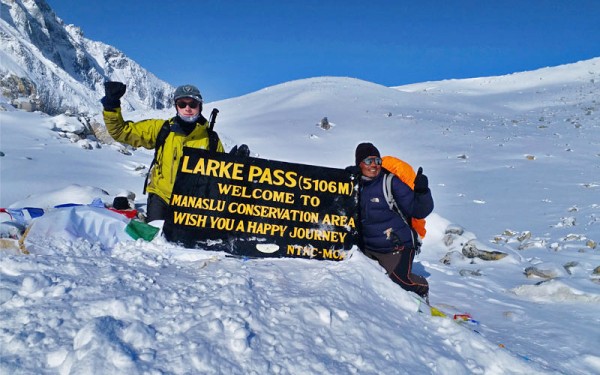
For most trekkers, yes. For about US$1,050 to US$1,485 you get a fully supported journey around the world's eighth-highest mountain, a Larkya La crossing, remote Tibetan-influenced villages, daily oximeter checks and a local team that handles every permit and logistics detail. Comparable restricted-area treks cost the same or more once you add guides and permits separately.
Ready to plan? View the full Short Manaslu Circuit Trek itinerary, departure dates and booking options, or message Mountain Eco Treks for a tailored quote, group pricing or a private departure.
FAQs: Short Manaslu Circuit Trek Cost
1. How much does the Short Manaslu Circuit Trek cost?
The Standard Plan costs US$1,485 per person, and the Budget Plan costs US$1,050 per person. Both cover permits, a licensed guide, meals and teahouse lodging for the 11-day trek. The Standard Plan adds a Kathmandu hotel, private transport and a shared porter. Group pricing may be available, so ask when you enquire.
2. What is the difference between the Standard and Budget plans?
The Standard Plan includes two nights in a 3-star Kathmandu hotel, private vehicles for both road journeys and a porter shared between two trekkers. The Budget Plan uses public transport, does not include a Kathmandu hotel and treats the porter and private transport as optional extras. Guide, permits, meals, lodging and taxes are included in both.
3. How much do the Manaslu permits cost?
Permits are included in your package. The Restricted Area Permit costs USD 100 for the first seven days in September to November (USD 75 from December to August), with extra days at USD 15 or USD 10. The MCAP and ACAP cost about USD 20 each, and a local fee is about USD 7, so the total is around USD 150–160.
4. Is a guide mandatory, and is it included?
Yes. A licensed guide is required by law in the Manaslu restricted area, and permits cannot be issued without one. Both plans include a government-licensed guide with insurance. Independent guide rates are typically USD 25–40 per day, which is already covered in your package price.
5. What is not included in the price?
International flights, Nepal visa, travel insurance, Kathmandu lunches and dinners, drinks, personal expenses such as showers, charging and Wi-Fi, personal gear and tips. The Budget Plan also excludes the Kathmandu hotel, porter and private transport. Costs caused by delays or events outside the company's control are not covered either.
6. How much extra money should I carry on the trek?
Plan for roughly USD 10–35 per day for hot showers, charging, snacks, drinks and Wi-Fi, which is about USD 100–350 over 10 days depending on your habits. Prices rise at altitude. Carry Nepali rupees in small notes, because there are no ATMs on the trail.
7. How much should I tip my guide and porter?
Tipping is customary but not included. Operators suggest different amounts: some say USD 5–10 per day for a guide and USD 3–5 for a porter, while others suggest 10–15% of the service cost. A total of around USD 100–200 for the team is a common budget. Tip according to the service you received.
8. How much is travel insurance and is it mandatory?
It is mandatory in practice, because the package does not cover medical costs or evacuation. Policy prices vary by age, provider and trip length, but expect to pay roughly USD 80–150. Choose a policy that covers trekking above 5,000 m, preferably up to 5,500 m, and emergency helicopter evacuation, and keep a copy with you.
9. Is the short trek cheaper than the full Manaslu Circuit?
Not per day. The Short Manaslu Circuit costs US$1,485 for 11 days (about US$135 per day), while the 14-day Manaslu Circuit costs from US$1,585 (about US$113 per day). You save time rather than money, so if your schedule allows, the longer trek is better value and gives more acclimatization.
10. How do I book, and what is the payment policy?
You can book online, send an enquiry or message the team directly. According to the trip page, a 20% non-refundable deposit secures your place, with the balance paid on arrival, and the deposit stays valid for future use if you postpone. See the Short Manaslu Circuit Trek page for current dates and details.
Recent From Blog

19th Apr, 2019


23rd Dec, 2018

11th Jan, 2024

14th Jan, 2024

29th Jan, 2025

11th Feb, 2025

18th Feb, 2025

25th Feb, 2025

5th Apr, 2025
23rd Dec, 2025
9th May, 2026
12th Jul, 2026

13th Aug, 2026
13th Aug, 2026
13th Aug, 2026

16th Aug, 2026
20th Aug, 2026


11th Sep, 2026
24th Sep, 2026