
Upper Mustang Trek Cost, Permits & Best Season: Complete Guide
18th Sep, 2026
What Makes Upper Mustang So Special
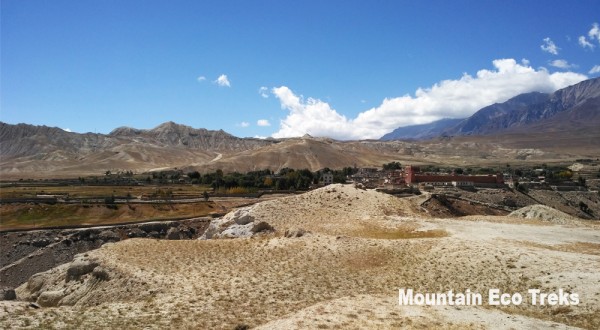
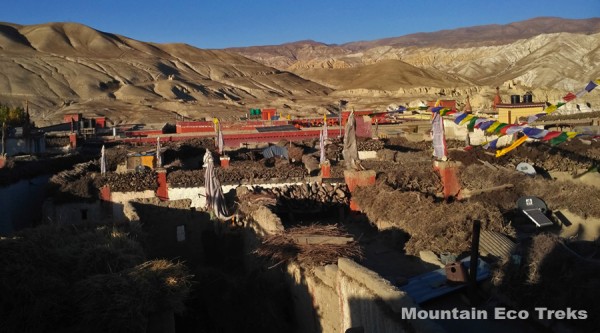
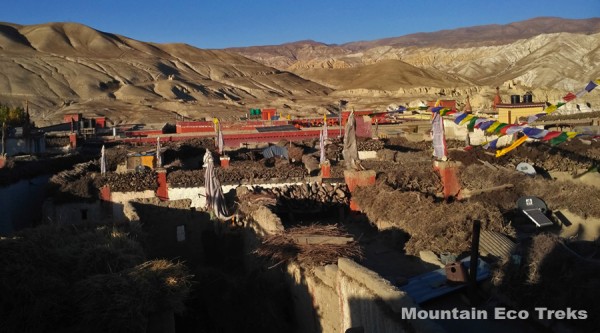
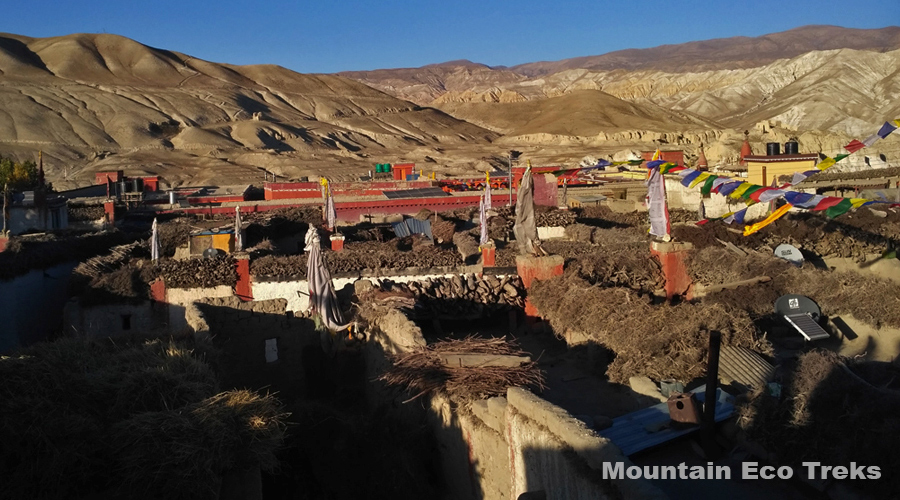
Geographically and culturally, Upper Mustang has more in common with the Tibetan plateau than with the rest of Nepal. The region was once the independent Kingdom of Lo, ruled by its own line of kings until as recently as 2008, and its isolation for centuries left its Tibetan Buddhist traditions, dialect, and architecture remarkably intact. Walking through villages like Chhusang, Chele, Syangboche, Ghami, and Tsarang, you'll pass whitewashed chortens, centuries-old monasteries carved into cliffsides, and mud-brick homes strung with fluttering prayer flags — scenes that have barely changed in generations.
Table of Contents
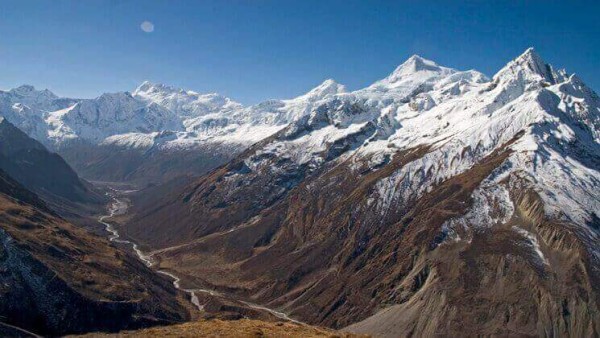
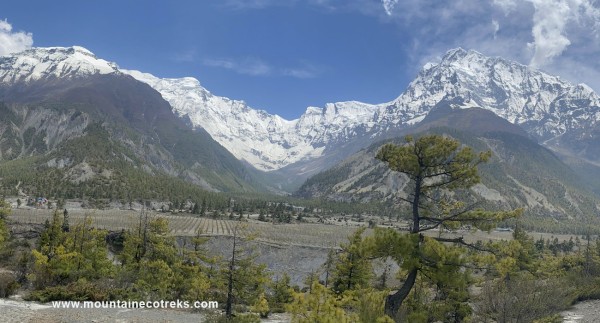
The landscape itself is the other half of the draw. Because Upper Mustang sits in the rain shadow of the Annapurna and Dhaulagiri massifs, it receives a fraction of the rainfall that soaks the rest of Nepal, producing a stark, high-altitude desert of wind-carved canyons, ochre and maroon rock formations, and sweeping valleys that stretch toward the Tibetan border. Scattered through the cliffs are the mysterious Sky Caves of Mustang — thousands of human-made caves dug into vertical rock faces, some dating back over 2,000 years, still not fully explained by archaeologists.
At the heart of it all is Lo Manthang, the walled capital of the former kingdom. Encircled by a centuries-old mud wall, the town is home to the old royal palace, four major monasteries, and a maze of narrow alleyways that make it feel frozen in time. Reaching Lo Manthang — typically around day 7 or 8 of a standard itinerary — is the emotional high point of the trek for most travelers.
Because access has historically been so restricted and expensive, Upper Mustang has also stayed refreshingly uncrowded compared to Everest or Annapurna Base Camp. Trail traffic is light, teahouses are simple but authentic, and the sense of stepping into a place still largely on its own terms is part of what makes this trek feel genuinely different from anywhere else in Nepal.
Why Upper Mustang Is Different
Most Nepal treks are judged by mountain views and trail difficulty. Upper Mustang is judged by something else entirely: its living Tibetan Buddhist culture, preserved almost unchanged for centuries in a landscape that looks more like Tibet or the American Southwest than the lush Himalayan foothills most trekkers expect. Because the region borders the Tibet Autonomous Region of China, the Nepali government has kept it classified as a Restricted Area, which means trekking here comes with rules, permits, and costs that don't apply anywhere else in Nepal.
Upper Mustang Permits: What You Actually Need
1. Restricted Area Permit (RAP) — The Big One
The RAP is the single most expensive and important permit for this trek, and it's changed significantly in 2026. For years, trekkers paid a flat USD 500 fee covering the first 10 days in the restricted zone (with USD 50 for each additional day) — regardless of whether they stayed 3 days or 10. Nepal's government has now officially abolished that flat fee and replaced it with a straightforward daily rate of USD 50 per person, with no minimum number of days required.
In practical terms:
- The permit costs USD 50 per person per day, counted from the moment you pass Kagbeni into the restricted zone.
- An 8-day itinerary inside the zone now costs USD 400 instead of the old flat USD 500, while a full 10-day stay still comes to USD 500.
- A standard 15-day Upper Mustang trek brings the permit total to USD 750.
This is a major shift, because it makes shorter Upper Mustang itineraries dramatically more affordable than they used to be — a 5-day visit to the restricted area now runs USD 250 rather than the previous USD 500.
Who else can get this permit? Another important 2026 change: Nepal's Department of Immigration scrapped the old two-trekker minimum across all 15 restricted areas in the country on 22 March 2026, meaning solo travelers can now hold an Upper Mustang permit on their own. That said, a licensed guide from a registered trekking agency is still mandatory for every trekker in a restricted area — solo doesn't mean unguided.
A few other details worth knowing:
- Children under 10 are exempt from the permit fee and can obtain it free of charge.
- Permits are non-refundable, non-transferable, valid for a single entry, and issued to individual trekkers only.
- Even if you cut your trek short or cancel, permit fees already paid cannot be refunded — so plan your itinerary carefully before applying.
- Permits can only be issued in Kathmandu or Pokhara, not along the trail itself, so this has to be arranged before you fly to Jomsom.
- The RAP covers entry whether you travel by foot or by jeep, and it's valid for the specific route and duration you applied for — so you're expected to stick to your planned itinerary.
2. Annapurna Conservation Area Permit (ACAP)
Because the approach to Upper Mustang passes through the Annapurna Conservation Area, you'll also need this permit. It costs roughly NPR 3,000 (about USD 30) for non-SAARC foreign nationals.
3. A Licensed Guide (Mandatory)
Every trekking group entering Upper Mustang must be accompanied by a licensed guide at all times, alongside the Restricted Area Permit — entering without either can lead to fines or legal action. Guide fees are separate from the RAP and typically run USD 20–30 per guide per day.
What You'll Need to Apply
To apply, you'll need a passport copy with at least six months of remaining validity and passport-sized photographs, submitted through a registered trekking agency in Kathmandu or Pokhara.
Note: permit rules and fees are set by the Nepali government and can shift with little notice — always confirm the current rate with your trekking agency before booking.
Upper Mustang Trek Cost: Full Budget Breakdown
All-inclusive Upper Mustang trek packages typically run between USD 1,300 and 3,500, depending on trip length, group size, and whether you fly or drive to Jomsom. These packages generally include permits, accommodation, a guide, ground transport or flights between Pokhara and Jomsom, and trail meals — but usually exclude international flights, Kathmandu hotel stays, travel insurance, and personal trekking gear.
Even with a full package, budget for extra trail expenses:
- Hot drinks: NPR 150–300 per cup (about USD 1–2)
- Device charging: NPR 200–500 per charge (about USD 1.50–3.50) — a power bank is a smart backup
- Hot showers: NPR 300–500 (about USD 2–3.50), though these aren't available everywhere above Lo Manthang
Since independent trekking isn't permitted in the restricted zone, nearly all trekkers book Upper Mustang as a full guided package rather than arranging logistics piecemeal.
Best Season to Trek Upper Mustang
Here's the good news: unlike most Himalayan treks, Upper Mustang sits in a rain shadow, which means it's trekkable almost year-round — even during Nepal's summer monsoon, when most other regions are washed out.
Spring (March–May) — The Classic Choice
Spring is widely considered the best time to trek Upper Mustang, with mild, comfortable weather and clear skies for walking. Daytime temperatures generally sit between 12–22°C (54–72°F), dropping to -5–5°C (23–41°F) at night. Mountain panoramas are at their sharpest, with the Annapurna, Dhaulagiri, and Nilgiri ranges clearly visible.
Spring is also when the region's biggest cultural event happens: the Tiji Festival, a three-day masked-dance celebration held in the royal courtyard of Lo Manthang, usually in May. If cultural immersion is a priority, timing your trek around this festival is worth the effort.
Autumn (September–November) — Clearest Skies
Autumn brings the most stable weather and the clearest mountain views of the year, and is the most popular season for Upper Mustang travel overall. Expect daytime temperatures of 10–20°C (50–68°F) and nights around -5–6°C (23–43°F).
Monsoon / Summer (June–August) — The Insider's Season
Because of the rain-shadow effect, Upper Mustang stays largely dry and accessible even during the monsoon months, when the rest of Nepal is soaked in rain. This makes it a smart alternative if you want to trek in Nepal during summer without the mud and leeches of lower-altitude routes.
Winter (December–February) — Best Avoided
Winter is the one season Upper Mustang is generally not recommended for, with harsh cold and strong winds making travel difficult and uncomfortable.
Bottom line: Choose spring (March–May) for the Tiji Festival and blooming high-desert landscapes, autumn (September–November) for the clearest mountain photography, and skip December–February unless you're an experienced cold-weather trekker.
Upper Mustang Trek Cost, Permits & Best Season FAQs
1. How much does the Upper Mustang Restricted Area Permit cost in 2026/2027?
The permit now costs USD 50 per person per day, counted from Kagbeni onward, with no minimum-day requirement. This replaced the old flat fee of USD 500 for the first 10 days. An 8-day stay in the zone costs USD 400, a 10-day stay costs USD 500, and a full 15-day trek brings the permit to USD 750.
2. Can I trek Upper Mustang solo, without a group?
As of March 2026, yes — Nepal's Department of Immigration scrapped the two-trekker minimum that used to apply across all restricted areas. You can now apply for the permit as a solo traveler. However, you still can't go unguided: a licensed guide from a registered trekking agency is mandatory regardless of group size.
3. What permits do I need besides the RAP?
You'll also need the Annapurna Conservation Area Permit (ACAP), which costs around USD 30 for foreign nationals, since the approach route passes through the Annapurna Conservation Area. A licensed guide is required in addition to both permits.
4. How much does the entire Upper Mustang trek cost, all-inclusive?
Full guided packages typically range from USD 1,300 to 3,500, depending on trip length, group size, and transport choices (flight vs. overland to Jomsom). This usually covers permits, guide fees, accommodation, and trail meals, but not international flights, Kathmandu hotels, insurance, or gear.
5. Where and how do I apply for the permits?
Permits can only be issued in Kathmandu or Pokhara — not along the trail — and must be arranged through a registered trekking agency. You'll need a passport copy valid for at least six months and passport-sized photos.
6. Are Upper Mustang permits refundable if I cut my trip short?
No. Permit fees are non-refundable and non-transferable once issued, even if you cancel or shorten your trek. It's worth finalizing your itinerary carefully before applying.
7. When is the best time to trek Upper Mustang?
Spring (March–May) and autumn (September–November) are the two prime seasons, offering the most stable weather and clearest mountain views. Spring also aligns with the Tiji Festival, usually held in May.
8. Can Upper Mustang be trekked during the monsoon season?
Yes — unlike most of Nepal, Upper Mustang lies in a rain shadow and stays largely dry even in June–August, making it one of the few treks that's genuinely viable during monsoon.
9. What is the Tiji Festival, and should I time my trek around it?
Tiji is a three-day Buddhist festival held in Lo Manthang's royal courtyard, featuring masked dances and ritual ceremonies commemorating a mythical hero who saved the kingdom from destruction. It typically falls in May, and many trekkers plan their spring itinerary specifically to catch it.
10. Is winter a bad time to attempt this trek?
Generally, yes. December through February brings harsh cold and strong winds that make travel difficult and uncomfortable, so it's the one season most guides recommend avoiding unless you're an experienced cold-weather trekker.
Planning Your Upper Mustang Trek
Between the restricted permits, mandatory guide requirement, and remote logistics, Upper Mustang isn't a trek you piece together on the fly — booking with an experienced local operator makes the permit process, guide arrangement, and itinerary planning far smoother. If you're ready to start planning, Mountain Eco Treks' Upper Mustang Trek page is a good place to look at itineraries and get your permit paperwork started.
Permit fees and trekking regulations for restricted areas in Nepal can change with short notice. Always verify current costs and requirements directly with your trekking agency before finalizing your trip.
Recent From Blog

19th Apr, 2019


23rd Dec, 2018

11th Jan, 2024

14th Jan, 2024

29th Jan, 2025

11th Feb, 2025

18th Feb, 2025

25th Feb, 2025

5th Apr, 2025
23rd Dec, 2025
9th May, 2026
12th Jul, 2026

13th Aug, 2026
13th Aug, 2026
13th Aug, 2026

16th Aug, 2026
20th Aug, 2026