
What Is the Best Time to Climb Lobuche Peak? (Month-by-Month Guide)
18th Nov, 2026
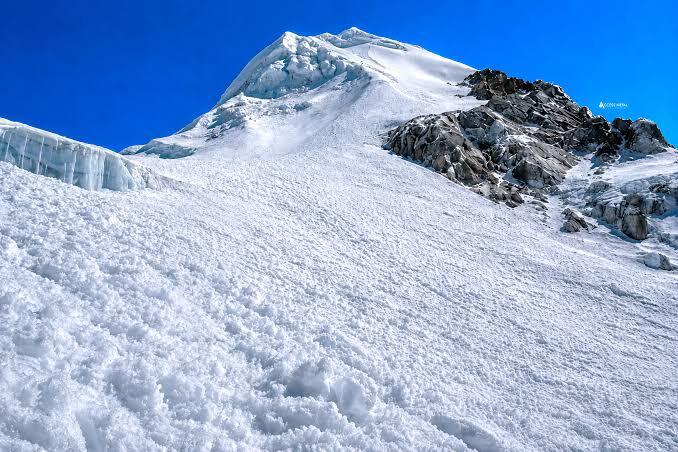
Pick the right window and the summit of Lobuche East becomes a dream day. Pick the wrong one and you may spend it in a tent waiting out wind and snow.
Table of Contents
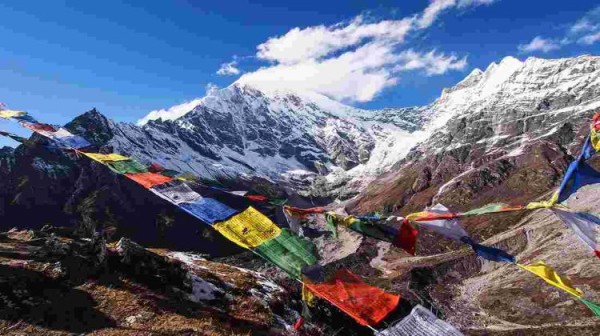
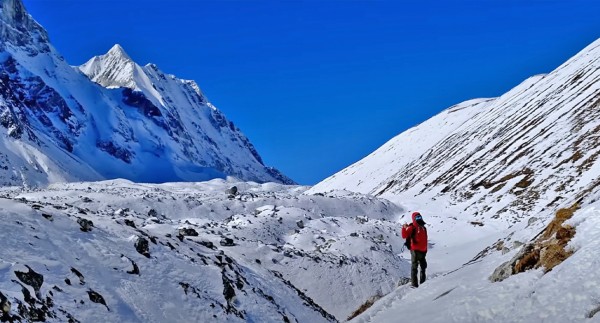
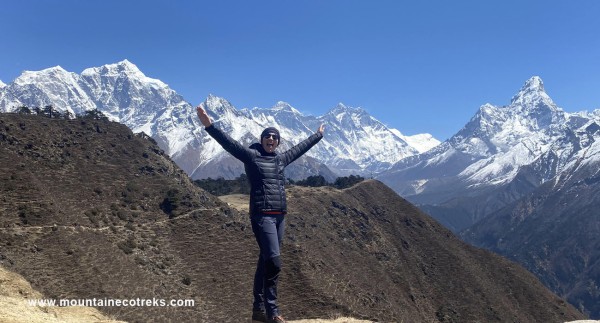
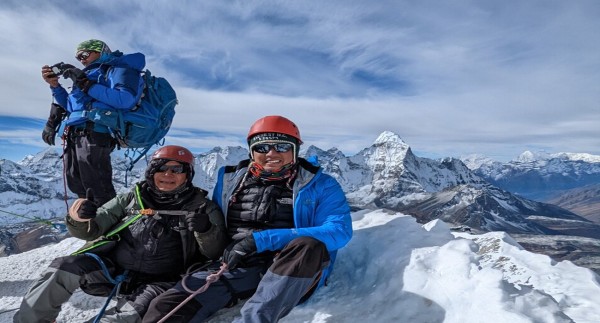
Standing on top of Lobuche East at 6,119 m is one of the best experiences in Himalayan climbing. Everest, Lhotse, Nuptse, Ama Dablam and Pumori all spread out around you. Whether you actually get that view depends a great deal on when you go.
So, what is the best time to climb Lobuche Peak?
The short answer: the best seasons are autumn (late September to November) and spring (March to May). October and the first half of November give the most stable weather and clearest skies. April and early May are the best spring window.
Below we explain why, how each month compares, and how to choose the season that suits your fitness, budget and expectations. Mountain Eco Treks has guided climbers in the Khumbu region for years, and this guide draws on that experience.
Quick Answer: Best Time to Climb Lobuche Peak at a Glance
| Season | Months | Weather | Summit Success | Crowds | Verdict |
|---|---|---|---|---|---|
| Autumn | Late Sep – Nov | Stable, dry, clear skies | Very high | Busy | ⭐ Best overall |
| Spring | Mar – May | Warmer, clear mornings, some afternoon clouds | High | Moderate to busy | ⭐ Excellent |
| Winter | Dec – Feb | Extremely cold, strong winds | Low to moderate | Very quiet | Experts only |
| Monsoon | Jun – Aug | Rain, cloud, poor visibility | Low | Very quiet | Not recommended |
The Lobuche Peak Climbing 16-day itinerary from Mountain Eco Treks lists the best time as March to May and September to November. This matches what we see year after year on the mountain. Check the full 16-day Lobuche Peak Climbing itinerary here.
Why Timing Matters So Much on Lobuche Peak
Lobuche East is a trekking peak, but it is not an easy walk-up. The climb involves:
- A steep, rocky approach to Lobuche High Camp at around 5,600 m
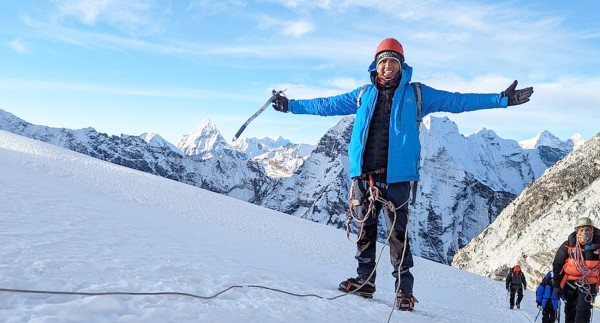
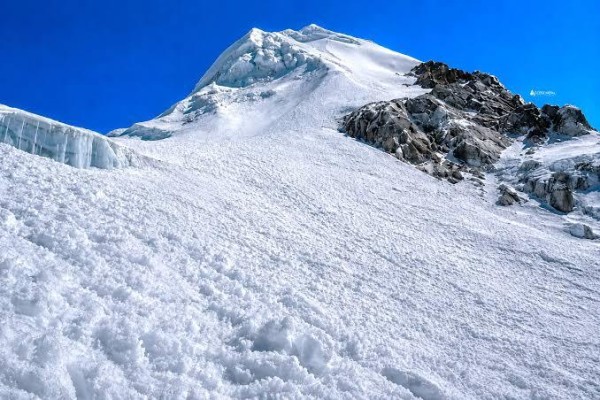
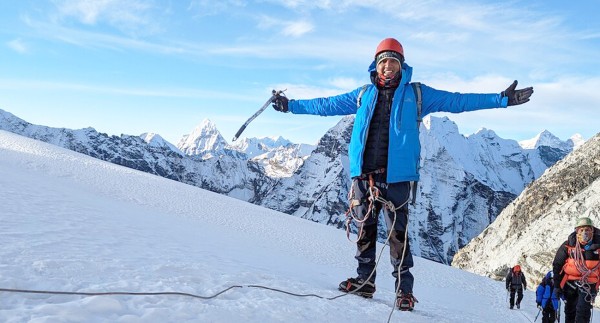
- A summit day of roughly 8 hours, with steep snow and ice sections and fixed ropes
- Exposed ridge sections, where wind and cold matter a lot
- The use of crampons, an ice axe, a harness and a plastic boot
Weather is the biggest factor in all of this. Good timing gives you:
- Stable weather and a better chance of reaching the summit
- Safer snow and ice conditions on the route
- Clear views of Everest, Lhotse and Ama Dablam
- Reliable Lukla flights, which are often delayed or cancelled in bad weather
- Comfortable temperatures at high camp and on summit day
Autumn (Late September to November): The Best Season for Lobuche Peak
For most climbers, autumn is the best time to climb Lobuche Peak.
Why autumn works so well
- Post-monsoon clarity: The monsoon rains wash the dust out of the air, so the mountains look sharp and the skies are deep blue.
- Stable, dry weather: Fewer storms and little precipitation mean a better chance of summiting.
- Great trekking conditions: The trail to Lobuche is dry and pleasant on the way up.
- Festival season: Dashain and Tihar bring a lively atmosphere in Nepal, and the Mani Rimdu festival is held at Tengboche Monastery around October or November.
Month by month
September: The monsoon is still fading, so expect some rain and cloud early in the month. By late September things improve fast. It is a good time for climbers who want fewer crowds.
October: This is the peak month. Skies are clear, temperatures are moderate and summit conditions are at their best. The trade-off is that lodges and trails are at their busiest, so book early.
November: Still excellent, especially in the first half. It gets colder, with freezing nights at high camp, but the air is crisp and the views are superb. Crowds thin out as the month goes on.
Autumn temperatures (approximate): Around 15 to 20°C by day in lower villages, dropping well below freezing at night above 4,500 m. At Lobuche Base Camp and High Camp, nights can fall to -10°C or colder.
Spring (March to May): The Second-Best Season
Spring is the other classic season for Lobuche Peak.
Why spring is great
- Warmer weather: Temperatures rise steadily, which makes tent nights and summit day a little more comfortable.
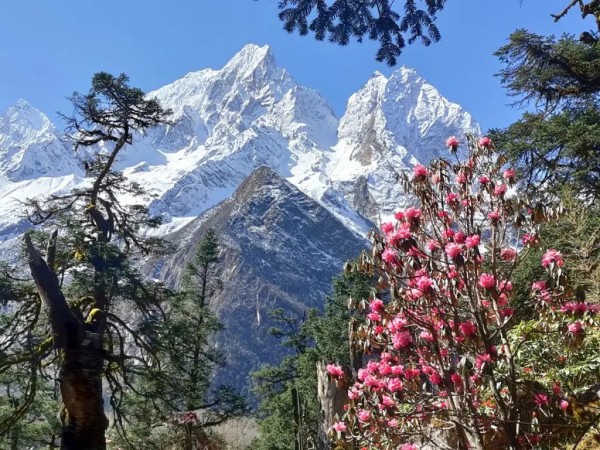
- Rhododendron season: The forests between Namche and Tengboche bloom in pink and red, particularly in April.
- Stable climbing conditions: The route is typically in good shape with solid snow and ice.
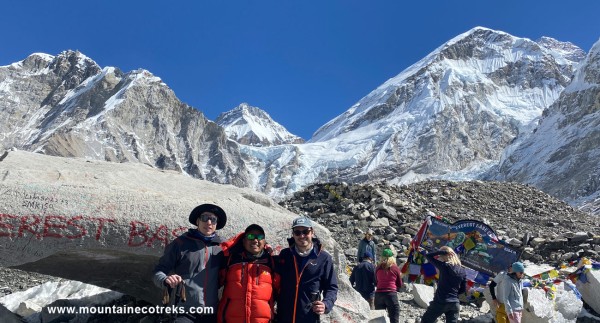
- Everest Base Camp activity: The trek to EBC is lively with expedition teams, which makes it a special time to hike there.
Month by month
March: Cold in the mornings but improving, with clear skies and good visibility. Higher camps are still quite cold. It is a good month for climbers who want fewer crowds than April.
April: Many consider this the best spring month. The weather is stable, the rhododendrons are blooming and conditions on the peak are good.
May: Warm in the valleys, with a good chance of summit success early in the month. Afternoon clouds and occasional snow showers become more common toward late May as the pre-monsoon builds.
Spring note: Mornings are usually clear, with cloud building in the afternoon. That is one reason summit attempts start in the early hours.
Winter (December to February): Cold, Quiet and Challenging
Winter climbing is possible, but it is not recommended for first-time peak climbers.
- Extreme cold: Temperatures can fall to -20°C or lower at high camp and on the summit ridge.
- Strong winds: Wind on the ridge can be harsh and can force a turnaround.
- Closed lodges: Some teahouses at higher altitude close for the season.
- Upsides: Very few climbers, crisp air and excellent clear days between storms.
If you are an experienced high-altitude climber with proper winter gear, a winter attempt can be rewarding. Everyone else is better off waiting for spring or autumn.
Monsoon (June to August): The Season to Avoid
The monsoon is the worst time for Lobuche Peak.
- Heavy rain and cloud cover the mountains and ruin visibility
- Slippery, muddy trails and a higher risk of landslides on the approach
- Lukla flight disruptions because of cloud and rain
- Unstable snow and poor route conditions higher up
Unless you have a flexible schedule and a lot of experience, plan around this season.
Autumn vs Spring: Which Should You Choose?
| Factor | Autumn | Spring |
|---|---|---|
| Weather stability | ⭐⭐⭐⭐⭐ | ⭐⭐⭐⭐ |
| Visibility | Crystal clear | Clear mornings, hazy afternoons |
| Temperature | Cold nights, mild days | Warmer overall |
| Scenery | Golden light, clear peaks | Blooming rhododendron forests |
| Crowds | Busy, especially October | Busy in April and May |
| Best for | Highest summit success | Warmer climbing and flowers |
Our advice: If your priority is the best chance of a clear summit, choose October to early November. If you prefer warmer conditions and the sight of the forests in bloom, choose April to early May.
Lukla Flights and Your Lobuche Timing
Your journey begins with a flight from Kathmandu to Lukla, and that flight depends on weather. In the high seasons, flights are generally more reliable. In the monsoon and winter, delays and cancellations are more common.
It is smart to build a few spare days into your trip, even in the best season. Mountain Eco Treks always recommends this, because a delayed flight should not cost you your summit window.
Why Acclimatization Matters More Than the Calendar
Even in perfect weather, altitude can stop you. The 16-day Lobuche Peak itinerary from Mountain Eco Treks includes:
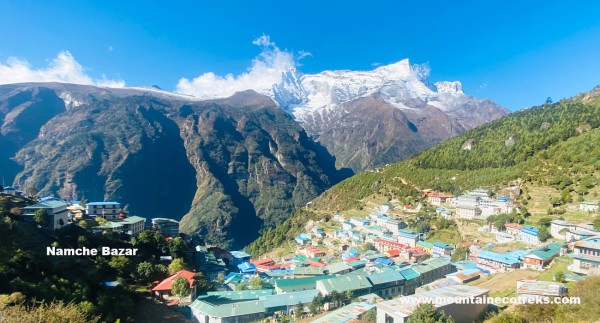
- A rest day in Namche Bazaar (3,440 m) for acclimatization
- A gradual climb through Tengboche, Dingboche and Lobuche
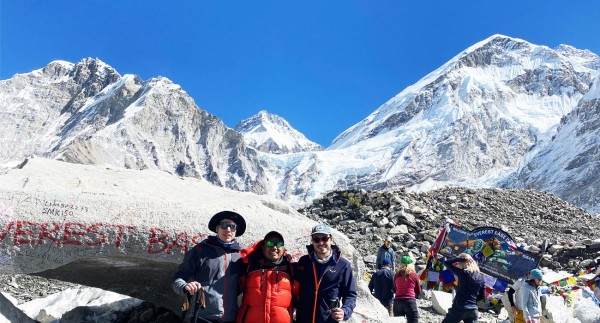
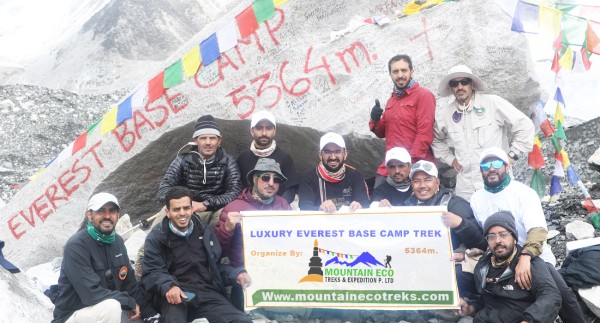
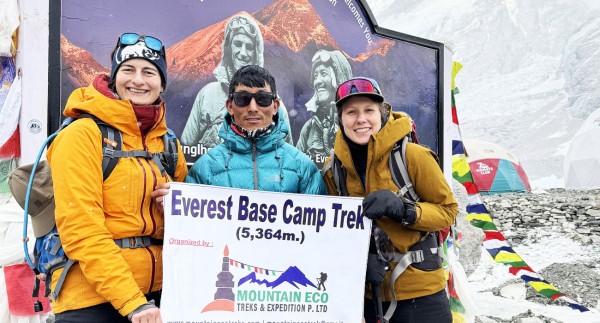
- A visit to Everest Base Camp (5,364 m) and Kala Patthar (5,545 m), which prepare your body for the summit push
- A stay at Lobuche Base Camp and High Camp (5,600 m) before summit day
This slow, steady approach increases your chance of summiting. Our guides also provide a pulse oximeter to monitor your oxygen saturation along the way.
Preparing for Lobuche Peak: Fitness, Experience and Gear
Lobuche East is graded challenging. We recommend:
- Good fitness: Regular cardio, hiking with a backpack and strength training for several months before departure
- Some mountaineering experience: Previous trekking at altitude or a basic climbing course helps a lot
- The right gear: Plastic boots, crampons, an ice axe, a harness, carabiners, snow gaiters, glacier glasses, warm gloves, a windproof jacket and trousers, a down jacket and a down sleeping bag
Much of the technical gear can be bought or hired in Kathmandu. The Mountain Eco Treks cost includes down jackets and sleeping bags with inner liners, plus a comprehensive medical kit.
Lobuche Peak Permit and Cost
- Climbing permit: Issued through the Nepal Mountaineering Association (NMA), and arranged by Mountain Eco Treks for you. The permit fee is typically around USD 350 per person, though fees can vary by season.
- Season matters for cost: Autumn and spring are peak seasons, so permit fees and lodge prices can be higher, and booking early helps.
- Package inclusions: Airport transfers, Kathmandu hotels, Kathmandu to Lukla flights, meals, accommodation on lodge and tent basis, TIMS and national park permits, climbing guide and staff, safety equipment and more.
For a full breakdown, see the cost includes and excludes on the trip page.
Combine Lobuche With Other Everest Region Adventures
Lobuche Peak climbing is often paired with the Everest Base Camp trek, and you can explore other options from Mountain Eco Treks:
- Everest Base Camp Trek (14 days)
- Everest Three High Passes Trek
- Everest Base Camp with Gokyo Lake Trek
- Island Peak Climbing
- Mera Peak Climbing
- All Peak Climbing in Nepal
Top 10 FAQs: Best Time to Climb Lobuche Peak
1. What is the best month to climb Lobuche Peak?
October is generally the best month, with stable weather, clear skies and the highest summit success. Early November and April are also excellent.
2. Can I climb Lobuche Peak in winter?
Yes, but it is only for experienced climbers. Temperatures can drop to -20°C, winds are strong, and some lodges close. Most climbers prefer spring or autumn.
3. Is it possible to climb Lobuche Peak during the monsoon?
It is technically possible, but not recommended. Rain, cloud, poor visibility, slippery trails and flight disruptions make it a poor choice.
4. Is spring or autumn better for Lobuche Peak?
Autumn offers the most stable weather and clearest views. Spring is warmer and has blooming rhododendrons. Both are excellent, and your choice depends on your priorities.
5. How long does the Lobuche Peak climb take?
The Mountain Eco Treks itinerary is 16 days, including arrival and departure in Kathmandu, with proper acclimatization and a built-in summit push.
6. How high is Lobuche Peak?
Lobuche East is 6,119 m (20,070 ft) and Lobuche West is 6,145 m. Most climbers attempt Lobuche East.
7. Do I need previous climbing experience?
Prior trekking at altitude and some mountaineering experience are strongly recommended. Our guides will teach you how to use the gear, and fixed ropes are placed on the steeper sections.
8. How cold does it get on Lobuche Peak?
At High Camp and on summit day, temperatures are commonly well below freezing in all seasons. They can reach -10°C or lower in autumn and much colder in winter.
9. How far in advance should I book?
For October and April, book 3 to 6 months ahead if possible. This helps secure flights, permits and lodging.
10. Is Lobuche Peak climbing safe?
With the right season, good acclimatization, an experienced guide and proper gear, it is a well-established climb. Mountain Eco Treks provides licensed guides, rescue arrangements and pulse oximeters, though you should always carry travel and medical insurance with helicopter evacuation cover.
Final Thoughts: When Should You Go?
If you want the clearest skies and the best chance of summiting, climb in October or early November. If you prefer warmer weather and flowering forests, choose April or early May. Avoid the monsoon, and treat winter as a challenge for experts only.
Whichever season you choose, the right team makes the difference. Mountain Eco Treks, led by Ram Bahadur Tamang, who has more than 15 years of trekking experience in Nepal and Tibet, offers the full Lobuche Peak Climbing 16-day package with licensed guides, safety equipment and the climbing permit all arranged. We also support local schools and reforestation in the Himalayas through every trip.
Ready to Plan Your Lobuche Peak Climb?
📞 Call / WhatsApp: +977 9803926665
✉️ Email: info@mountainecotreks.com
🌐 Enquire: Make an Enquiry or Contact Us
Recent From Blog

19th Apr, 2019


23rd Dec, 2018

11th Jan, 2024

14th Jan, 2024

29th Jan, 2025

11th Feb, 2025

18th Feb, 2025

25th Feb, 2025

5th Apr, 2025
23rd Dec, 2025
9th May, 2026
12th Jul, 2026

13th Aug, 2026
13th Aug, 2026
13th Aug, 2026

16th Aug, 2026
20th Aug, 2026


11th Sep, 2026
24th Sep, 2026
25th Sep, 2026
5th Oct, 2026
6th Oct, 2026
11th Oct, 2026
13th Oct, 2026

4th Nov, 2026