
Short Manaslu Circuit Trek Permits and Cost
13th Oct, 2026
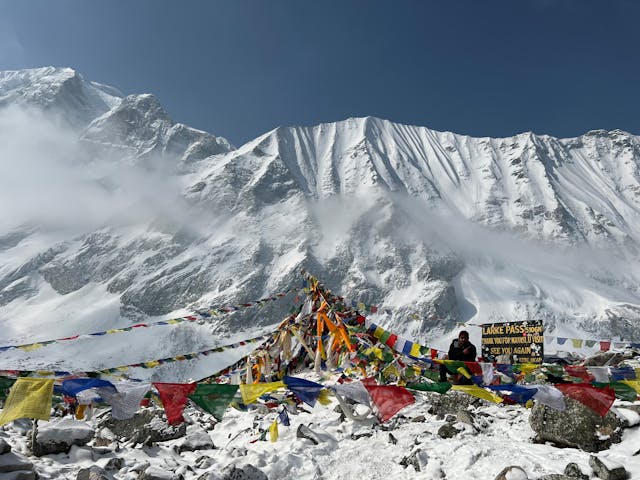
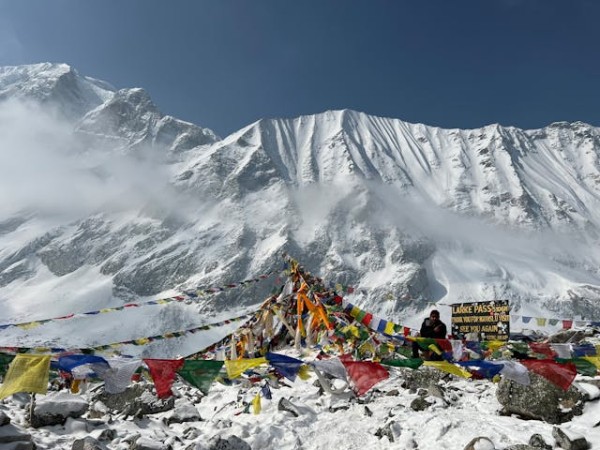
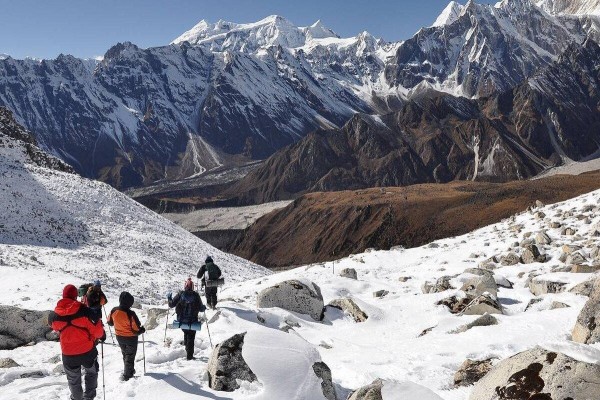
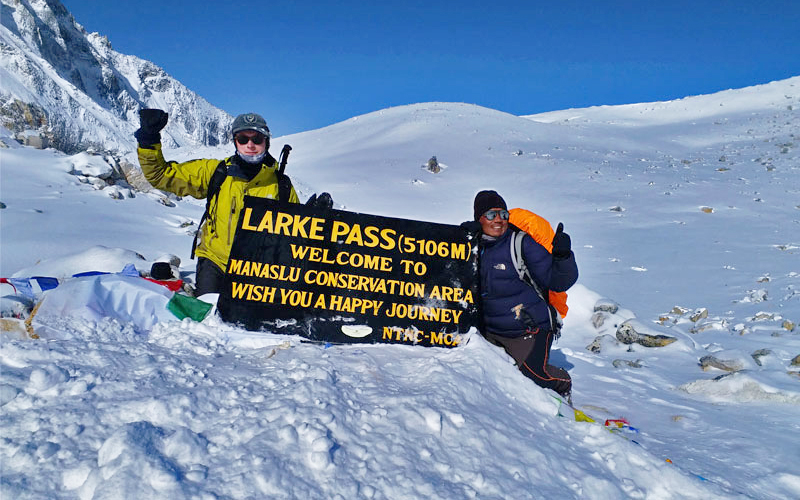
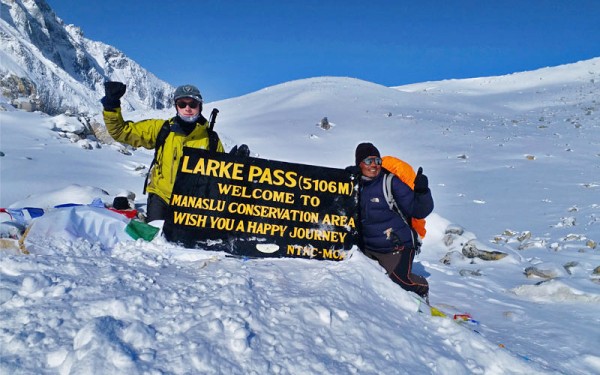
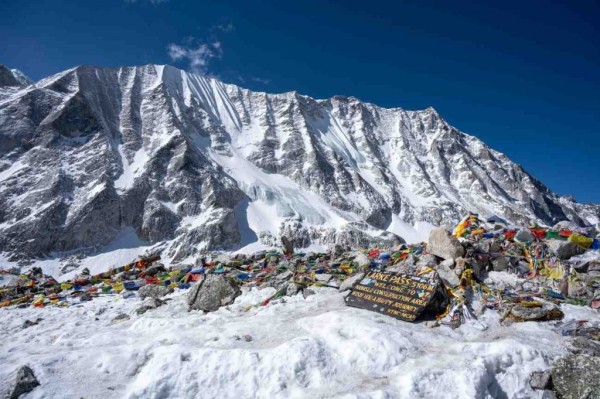
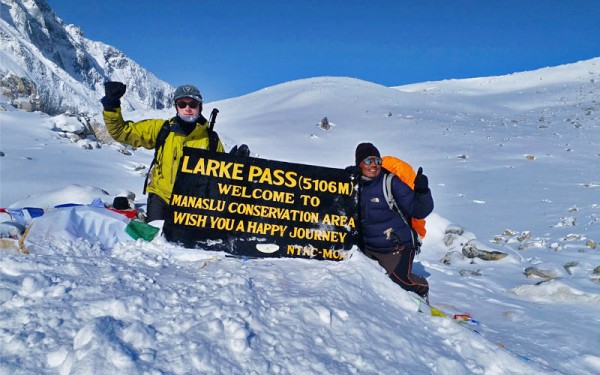
The Short Manaslu Circuit Trek is one of the best value-for-time treks in Nepal. In 11 days you circle the world’s eighth-highest mountain, Manaslu (8,163 m), and cross the 5,106 m Larkya La Pass. It is also a restricted-area trek, so permits and costs work differently from Everest or Annapurna. You can’t just turn up and start walking, and the permit rules affect what you pay and how you book.
Table of Contents
This guide covers every permit you need, what each one costs, how much the trek costs overall, and where the extra expenses hide. The prices come from our current Short Manaslu Circuit Trek page at Mountain Eco Treks.
Quick Overview: Permits and Cost
| Item | Details |
|---|---|
| Trek length | 11 days (Kathmandu to Kathmandu) |
| Permits needed | Manaslu RAP, MCAP, ACAP, plus a local municipality fee |
| Guide | Licensed guide legally required |
| Standard package | US$1,485 per person |
| Budget package | US$1,050 per person |
| Permits included in package? | Yes, in both packages |
| Deposit | 20% non-refundable at booking; balance on arrival |
Short Manaslu Circuit Trek Permits Explained
The Manaslu region is a protected and restricted zone near the Tibetan border. Three permits are required, plus a small local fee.
1. Manaslu Restricted Area Permit (RAP)
This is the special permit for entering the restricted section of the trail. It is issued only through a government-registered trekking agency, and only for groups with a licensed guide. The price depends on the season:
| Season | First 7 days | Each extra day |
|---|---|---|
| September to November | US$100 | US$15 |
| December to August | US$75 | US$10 |
2. Manaslu Conservation Area Permit (MCAP)
This covers entry to the Manaslu Conservation Area and costs about US$20 per person.
3. Annapurna Conservation Area Permit (ACAP)
The trek ends in the Annapurna conservation zone near Tilje and Dharapani, so you also need ACAP, at about US$20 per person.
4. Local Municipality Entrance Fee
A local entrance fee of about US$7 per person is also collected.
Worked Example: What Permits Cost in Total
A typical Short Manaslu itinerary spends around 9 days inside the restricted area. Here is how that adds up:
| Permit | Autumn (Sep to Nov) | Dec to Aug |
|---|---|---|
| RAP (7 days plus 2 extra days) | US$130 | US$95 |
| MCAP | US$20 | US$20 |
| ACAP | US$20 | US$20 |
| Local fee | US$7 | US$7 |
| Approximate total | US$177 | US$142 |
The exact figure depends on your dates and how many days you spend in the restricted zone, so your agency will confirm the final amount. With Mountain Eco Treks, all of these permits are already included in both package prices.
Key Permit Rules to Know
- A licensed guide is mandatory. The RAP is not issued without a registered guide.
- You can’t apply independently. Permits must be arranged through a government-registered trekking agency in Kathmandu.
- Arrange them before departure. Provide your passport copy, passport photos and visa details to your agency in advance.
- Carry your permits and passport. Checkpoints along the trail will inspect them, and you’ll need to register at each one.
- Solo travelers are welcome. You still need a guide, and joining a group departure often shares costs.
Our team can handle all the paperwork. Just send us an inquiry with your travel dates.
Short Manaslu Circuit Trek Cost in 2026-27
We offer two packages so you can choose the comfort and support level that suits your budget.
| Standard Plan | Budget Plan | |
|---|---|---|
| Price per person | US$1,485 | US$1,050 |
| Kathmandu hotel | 2 nights, 3-star, breakfast | Not included |
| Transport to Machha Khola | Private vehicle | Public transport |
| Return from Tilje | Private vehicle to Kathmandu | Public transport to Kathmandu or Pokhara |
| Porter | One porter shared between two trekkers | Extra cost on request |
| Trek meals and lodges | Included | Included |
| Permits | Included | Included |
| Licensed guide | Included | Included |
What Both Packages Include
- Airport pick-up and drop-off
- 10 nights of twin-sharing trek accommodation
- Breakfast, lunch and dinner on the trek
- Unlimited treated drinking water
- A licensed, insured trekking guide
- All permits (MCAP, ACAP and special permits) and government taxes
- Daily oxygen saturation and pulse checks with an oximeter
- A local SIM card
- A welcome dinner in Kathmandu
- Use of a down sleeping bag, down jacket and duffel bag on request
- A basic first-aid kit
The Standard Plan also adds: private transport both ways, two nights in a 3-star Kathmandu hotel with breakfast, a shared porter and trekking snacks such as energy bars and seasonal fruit.
What’s Not Included
- International flights
- Nepal tourist visa (USD 30 for 15 days, paid on arrival in cash)
- Lunch and dinner in Kathmandu
- Drinks such as tea, coffee, soft drinks and alcohol
- Travel insurance with high-altitude and evacuation cover
- Personal clothing and gear
- Laundry, Wi-Fi, phone calls, hot showers and charging
- Tips for your guide and porter
- Extra nights or meals caused by delays or early returns
The Real Cost: Budgeting for Extras
The package covers the big items, but the trek has small costs that add up. Plan for:
- Visa: USD 30 for 15 days (USD 50 for 30 days), paid in cash on arrival.
- Insurance: A policy covering trekking up to at least 5,500 m and emergency helicopter evacuation. Larkya La is 5,106 m, and evacuation from this region is expensive without cover.
- Daily extras on the trail: Hot showers, charging, Wi-Fi, bottled drinks and snacks get pricier as you climb. Many trekkers set aside a daily cash allowance, and your guide can advise on a sensible amount.
- Tips: Customary in Nepal for your guide and porter.
- Kathmandu costs: Lunch and dinner before and after the trek, plus any extra nights if you arrive early or leave late.
- Gear: Boots, layers, poles and a sleeping bag if you prefer your own.
- Cash: There are no ATMs on the trail, so carry Nepali rupees. USD cash is also widely accepted for permit payments and at some teahouses.
Standard or Budget: Which Should You Pick?
Choose Standard if you want comfort and convenience. The private vehicle matters because the road from Arughat to Machha Khola is rough, and the drive takes about 7 to 9 hours. A private 4WD is more comfortable, and you also get Kathmandu hotel nights and a shared porter.
Choose Budget if you’re an experienced trekker, you’re happy with public transport and you’ll arrange your own Kathmandu stay. The trek itself, permits, guide, meals and lodges are the same. You can add a porter or private transport as extras.
Not sure which one suits you? Talk to our team on WhatsApp or check the fixed departure dates.
How the Season Affects Your Cost
- September to November: Best weather and the highest permit fee (RAP US$100 for the first 7 days). October is the busiest month, so book early.
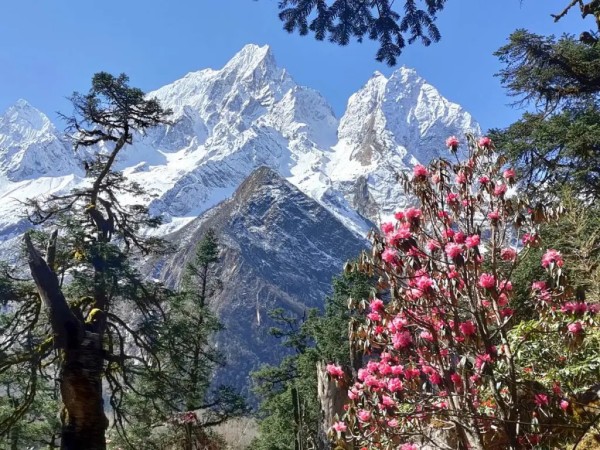
- March to May: Spring conditions with blooming rhododendrons. The RAP is cheaper at US$75 for 7 days.
- December to February: Cheaper permits and fewer trekkers, but heavy snow can close Larkya La. This is for flexible, experienced trekkers.
- June to August: Monsoon with heavy rain and landslide risk. Not recommended.
Fixed departures run from October 2026 through May 2027, so you can pick a date that fits your plans.
Ways to Save Money Without Cutting Safety
- Join a group departure. Sharing the guide and logistics often lowers the per-person cost.
- Choose the Budget plan if you’re comfortable with public transport.
- Travel outside peak autumn to pay a lower RAP fee.
- Bring your own gear to avoid rental costs.
- Carry a refillable bottle and purification tablets instead of buying bottled water.
- Don’t skimp on insurance, a licensed guide or acclimatization. These protect you and are legally required or essential.
Booking and Payment
At Mountain Eco Treks, a 20% non-refundable deposit secures your booking, and the remaining balance is paid when you arrive in Nepal. If you need to postpone, your deposit stays secured for future use. You can book directly or request a custom quote.
Top 10 Short Manaslu Circuit Trek Permits and Cost FAQs
1. Which permits do I need for the Short Manaslu Circuit Trek?
You need three permits: the Manaslu Restricted Area Permit (RAP), the Manaslu Conservation Area Permit (MCAP) and the Annapurna Conservation Area Permit (ACAP). A small local municipality entrance fee is also collected. Everything is arranged through a registered agency, and our packages include all of it.
2. How much does the Manaslu Restricted Area Permit cost?
From September to November, the RAP costs US$100 for the first 7 days plus US$15 for each extra day. From December to August, it costs US$75 for the first 7 days plus US$10 per extra day. The final amount depends on how many days you spend in the restricted area.
3. What is the total permit cost for the Short Manaslu Circuit Trek?
Add the RAP (US$100 or US$75 for 7 days, plus extra days), MCAP (about US$20), ACAP (about US$20) and the local fee (about US$7). For a typical itinerary this comes to roughly US$142 to US$177, depending on the season and days in the restricted zone. Your agency confirms the exact figure.
4. How much does the Short Manaslu Circuit Trek cost in total?
With Mountain Eco Treks, the Standard package is US$1,485 per person and the Budget package is US$1,050 per person. On top of that, budget for your visa, insurance, international flights, Kathmandu meals, drinks, personal gear, trail extras and tips.
5. Are permits included in the package price?
Yes. Both the Standard and Budget packages include the RAP, MCAP, ACAP, special permits and government taxes. You don’t pay permit fees separately to us, though you should still keep your permit documents with you on the trek.
6. Can I get the Manaslu permit on my own?
No. The Manaslu RAP can only be issued through a government-registered trekking agency, and a licensed guide must accompany you. You can’t buy it at the trailhead or apply independently.
7. Is a guide mandatory, and is it included in the price?
Yes, a licensed guide is mandatory by law in the Manaslu restricted area, and permits aren’t issued without one. Our packages include an experienced, government-licensed, insured guide.
8. What is the difference between the Standard and Budget packages?
The trek itself, permits, guide, lodges and meals are the same. The Standard plan adds private transport, two nights in a 3-star Kathmandu hotel with breakfast, and a shared porter. The Budget plan uses public transport, doesn’t include Kathmandu hotel nights, and charges extra for a porter or private transport.
9. What costs are not included in the price?
International flights, your Nepal visa (USD 30 for 15 days), Kathmandu lunches and dinners, drinks, travel insurance, personal gear, laundry, Wi-Fi, hot showers, charging, tips, and any extra nights or meals caused by delays. Always keep a cash reserve for these.
10. Do I need travel insurance, and what should it cover?
Yes. It should cover high-altitude trekking up to at least 5,500 m, emergency helicopter evacuation and medical treatment. Larkya La Pass is 5,106 m, and the trek is remote, so rescue costs can be high. Check the policy exclusions and buy it before you travel.
Final Thoughts
The Short Manaslu Circuit Trek is good value once you understand the structure: a licensed guide and three permits are required, and a package price covers the main costs so you aren’t chasing paperwork in Kathmandu. Allow a sensible cash reserve for extras, buy proper insurance and choose a season that suits your comfort and budget.
Ready to plan? View the full itinerary and open dates on the Short Manaslu Circuit Trek page, or compare the longer Manaslu Circuit Trek and Tsum Valley Trek. If you want a simpler option, look at the Short Annapurna Circuit Trek. You can also browse our Manaslu region treks, read why to choose us, check our general FAQs or contact our team on WhatsApp at +977 9803926665. More guides are on the Mountain Eco Treks blog.
Recent From Blog

19th Apr, 2019


23rd Dec, 2018

11th Jan, 2024

14th Jan, 2024

29th Jan, 2025

11th Feb, 2025

18th Feb, 2025

25th Feb, 2025

5th Apr, 2025
23rd Dec, 2025
9th May, 2026
12th Jul, 2026

13th Aug, 2026
13th Aug, 2026
13th Aug, 2026

16th Aug, 2026
20th Aug, 2026


11th Sep, 2026
24th Sep, 2026
25th Sep, 2026
5th Oct, 2026
6th Oct, 2026
11th Oct, 2026